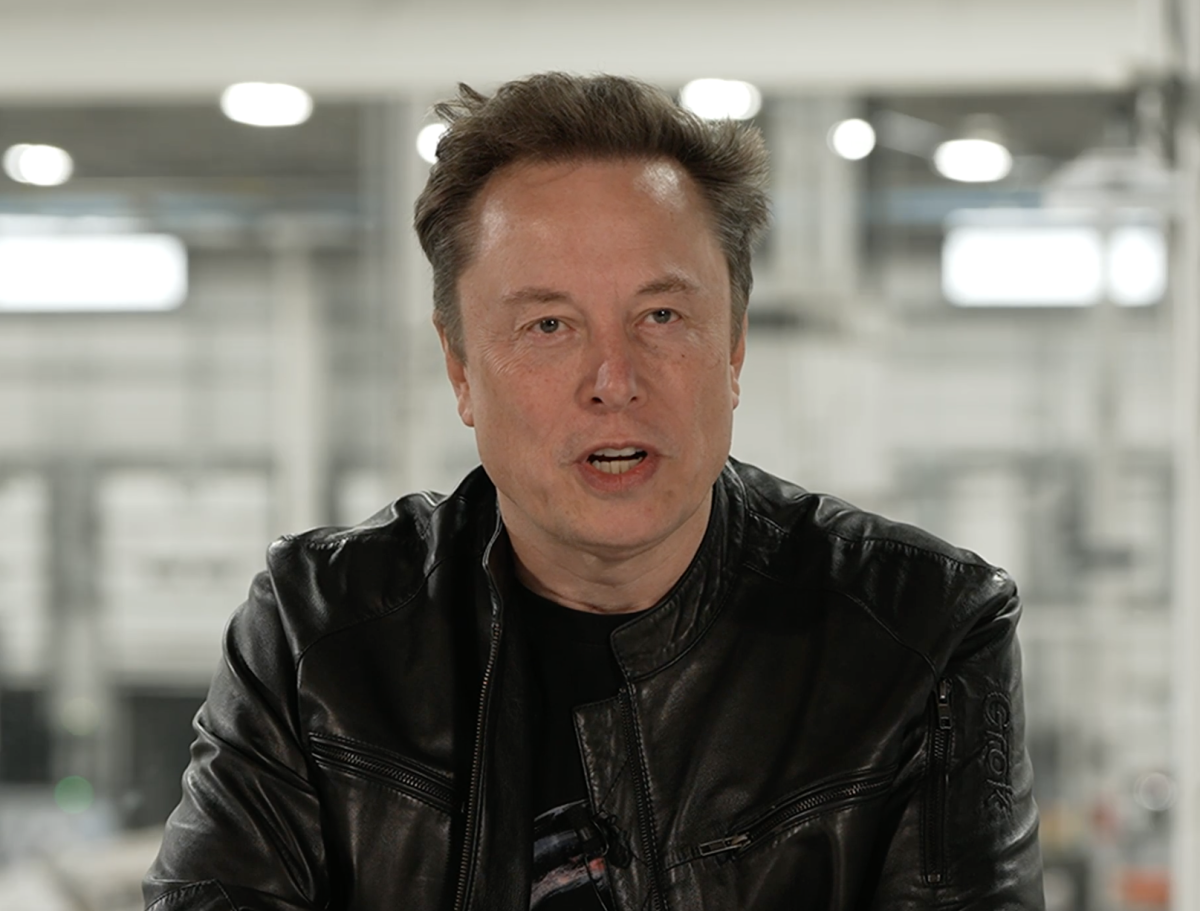
What happened
An Apollo Global Management-managed entity will buy Nvidia's next-generation Vera Rubin chips and server hardware, then lease them to SpaceX for about five to five-and-a-quarter years, per a regulatory filing Monday.
Why it matters
The lease gives SpaceX a way to fund its AI buildout outside traditional debt markets, while Apollo gains a lessor role on equipment tied to SpaceX's compute expansion.
What to watch
SpaceX expects the deal to close by year-end, with leases starting in the first half of 2027 as equipment arrives.
WHO IT HITSThe deal lands on two audiences: SpaceX's finance and infrastructure teams, who gain a non-debt funding channel for chips, and Apollo's private-equity managers, who take on the equipment-owning side of a multiyear lease. Pure-play GPU-rental firms may feel pressure, based on Musk's own comments about consolidation.
Summaries like this, every morning.
The financing arrives as SpaceX's AI segment has become its largest revenue contributor. In the third quarter, that segment — which includes the Grok chatbot, the Cursor coding tool and cloud compute — brought in $7.6 billion of SpaceX's $14.6 billion in revenue, more than Starlink and rocket launches combined. Capital expenditures also surged to nearly $20 billion, up from $6.9 billion a year earlier, and CFO Bret Johnsen said on the Oct. 20 earnings call that SpaceX expects to spend $35 billion to $40 billion in the fourth quarter alone.
The structure — an Apollo-managed entity buying chips and leasing them back — gives SpaceX a funding route that does not rely solely on traditional debt markets, which the company says diversifies its sources for growth plans. It also comes after a tumultuous stretch in debt markets for AI infrastructure players, as investors grow squeamish over runaway capital expenditures and limited profits.
Musk used the announcement to draw a contrast with pure-play AI compute rivals, arguing that debt markets have largely closed the door on companies without major revenue streams outside AI data centers. He predicted the more than 200 neocloud companies built solely to rent out GPUs for AI workloads will see "guppy-level death and consolidation," with some making it through but not many. That view is his own characterization, not a disclosed financial projection.
Pick your industry and the AI tools you use, and get news related to your work every day.
Free · 30 seconds with Google · unsubscribe anytimeWhat is AIToday? →
Ask AI anything about this article. The AI reads this article, earlier AIToday articles, and Wikipedia, and cites its sources. Q&As are published on this page for other readers too.
Anthropic's IPO prospectus says it will spend up to $120.5 billion with SpaceXAI over terms into 2029, roughly…
Anthropic's long-awaited IPO document, released Monday, shows more than $400 billion in future obligations for…
Anthropic's seven cofounders, including CEO Dario Amodei, pledged 80% of their personal equity to philanthropi…
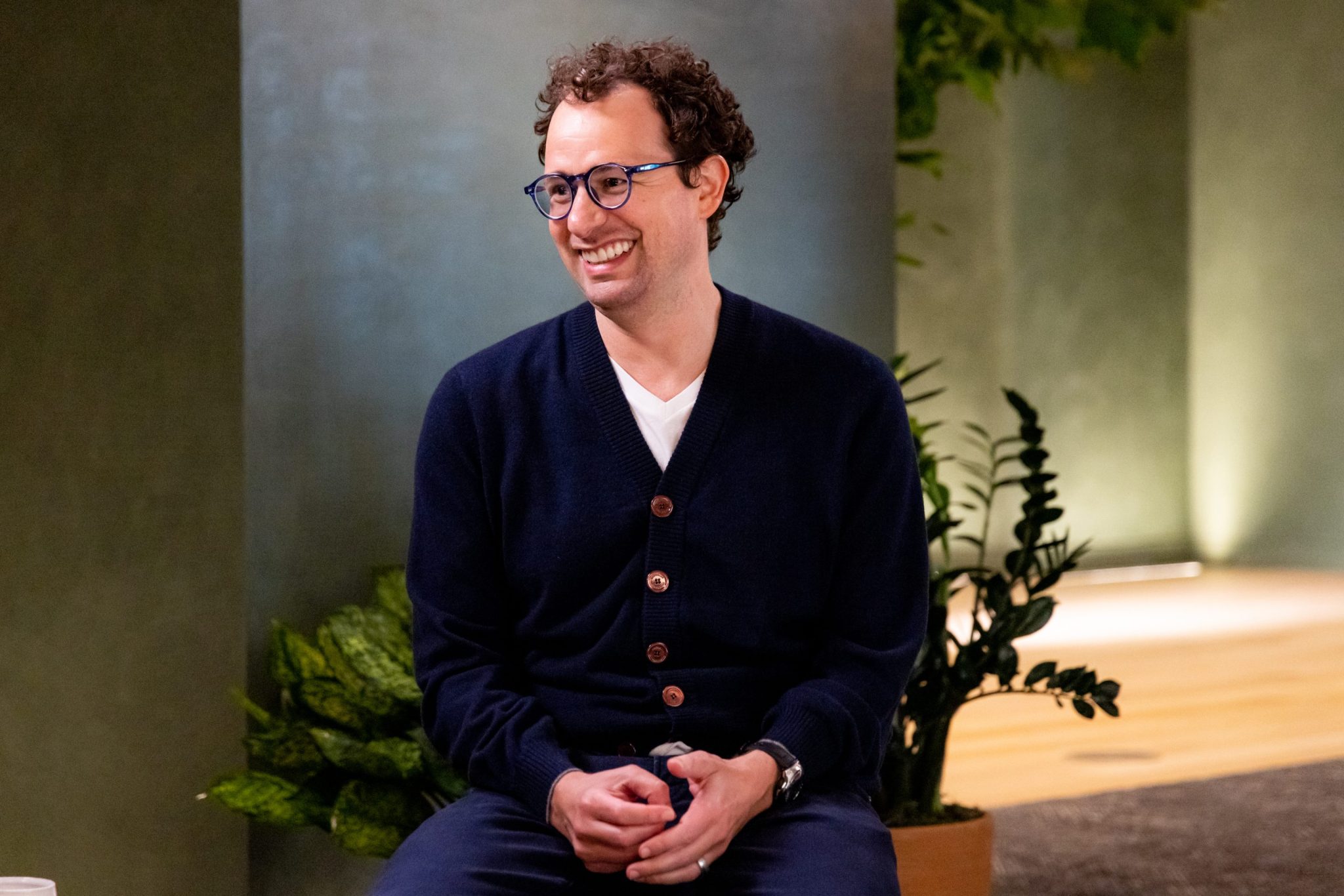
At an IMF meeting in Bangkok, cofounder Jack Clark said this year brought convincing evidence the singularity…
Anthropic's S-1 shows more than half of customers spending at least $100,000 a year use both the Claude platfo…
The RealReal is updating its bot defense system so AI agents like Meta's Muse can no longer log in, add items…