
What happened
A WIRED writer's Death Clock app set his death at August 10, 2060, age 74, citing cardiovascular disease, a sleep disorder, or cancer; after he noted family diabetes, it moved the date to 73.
Why it matters
The shift shows the app treats family medical history as a factor in its life-expectancy estimates, not a fixed countdown.
Summaries like this, every morning.
Death Clock launched in 2024 with a promise to go beyond a morbid countdown: it tracks health habits and, in February, added biomarker panels that users can order through the app. The writer opted for a routine blood panel and a stress test, curious whether new data might help him manage stress. The app's estimates draw on longevity studies, insurance actuarial data, and life expectancy tables, and it produces a prevention plan based on results.
The writer's experience illustrates how the app updates its prediction as new personal information arrives. Initially, after a health questionnaire, it forecast death at 74 from cardiovascular disease, a sleep disorder, or cancer. When he later noted a mild family history of diabetes, the app revised the age to 73. That revision suggests the app weighs family history in its model, though the company has not detailed how much any single factor moves the estimate.
Pick your industry and the AI tools you use, and get news related to your work every day.
Free · 30 seconds with Google · unsubscribe anytimeWhat is AIToday? →
Ask AI anything about this article. The AI reads this article, earlier AIToday articles, and Wikipedia, and cites its sources. Q&As are published on this page for other readers too.
CareBuddy, led by CEO Tomokazu Yamamoto, will officially announce the beta of its AI-agent all-in-one home-vis…

Alibaba's DAMO Academy and Zhejiang University's First Affiliated Hospital built DAMO RADAR, a general-purpose…

The Alzheimer's Drug Discovery Foundation said on October 28, 2026 that Eli Lilly and Company has licensed Spe…
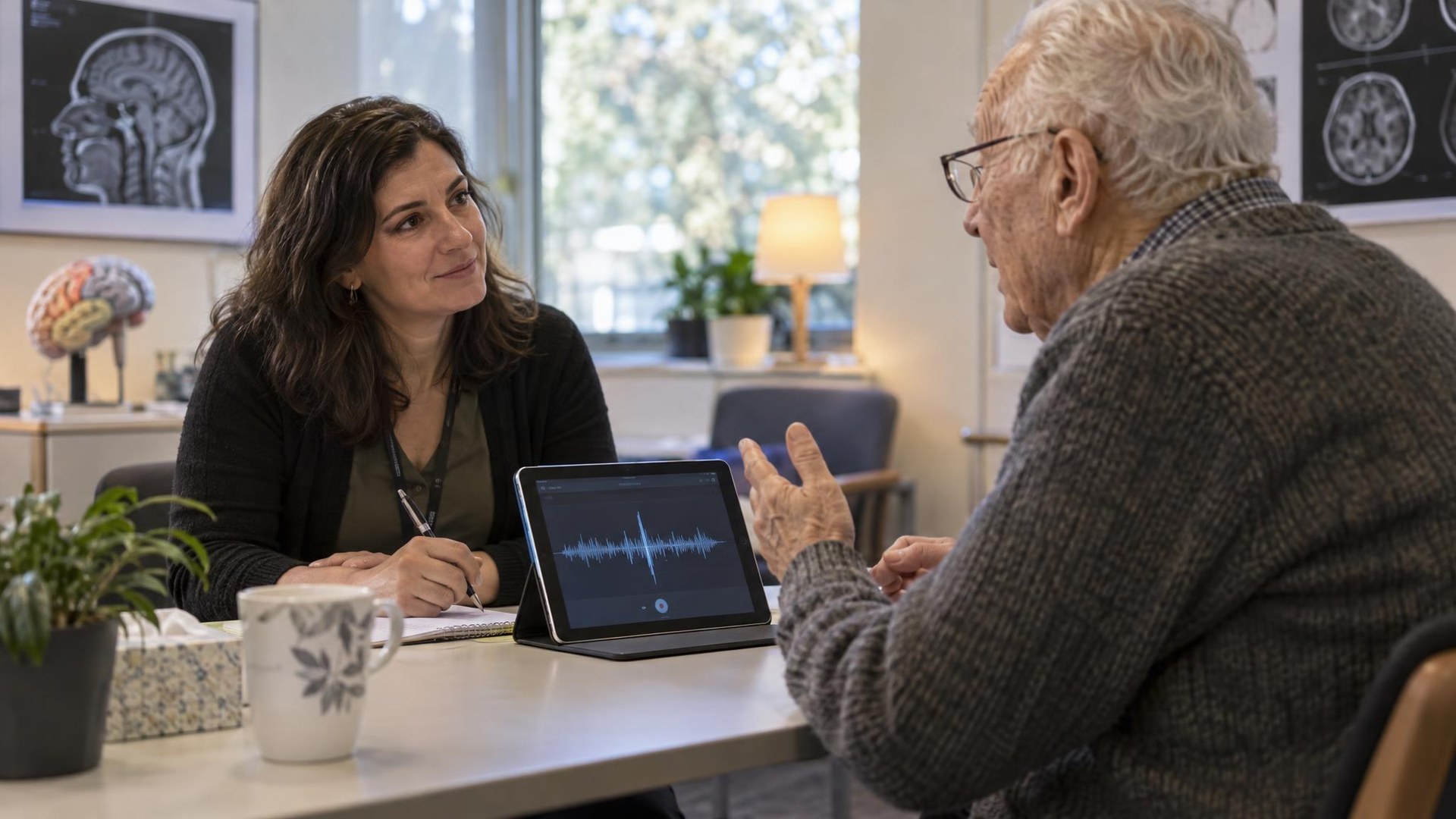
NVIDIA released RFD4-Proteina, an AI model for designing proteins, positioned to support drug discovery and ca…
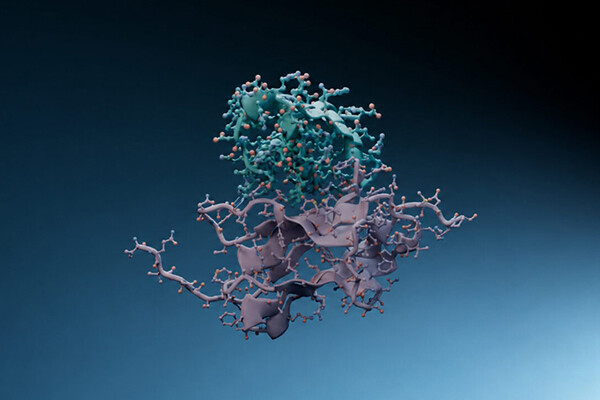
Warp Sciences emerged from stealth with $215 million in funding, led by Lightspeed, to build a U.S.-based chem…
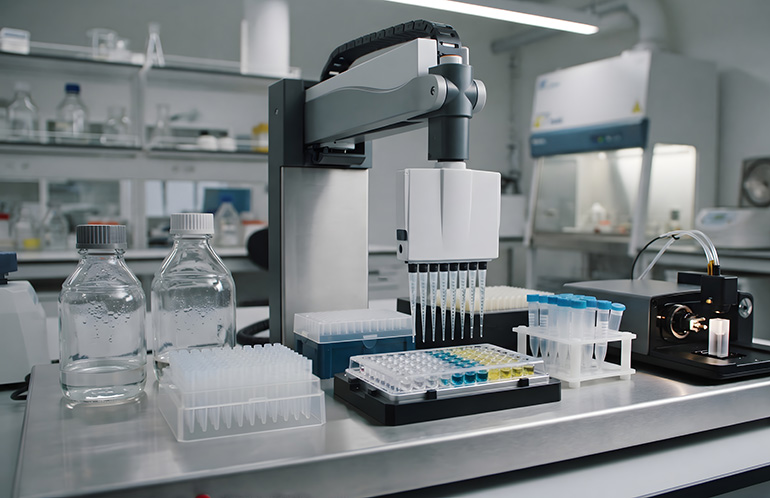
Microsoft said its MAI-DxO medical AI system achieved higher diagnostic accuracy than general physicians in te…