What happened
R2-san's Mitate (a tool that lets non-technical staff build business apps by chatting) stops indirect prompt injection (hidden instructions inside documents the AI reads) by structure, not detection: its design AI has no function-calling, activation is classified outside the AI, and changes made after reading past records are held for human confirmation. In testing, all 5 attacks via past records hit the confirmation card.
Why it matters
Asking a model to ignore embedded instructions is only a request, R2-san notes, so injected content can still slip through if it falls under an "addition" that needs no approval; deciding outside the AI whether a change goes live appears to close that gap, while small everyday additions stay friction-free.
Summaries like this, in your inbox every morning.
Mitate is a product for people who are not IT specialists: they describe a need in conversation, and the system builds a business app such as attendance collection or equipment lending, which they can then adjust while using it. That makes it a natural target for indirect prompt injection, because the AI is routinely asked to read outside material. R2-san's first instinct — telling the model in its system prompt that what it reads is data, not instructions — is described as a request, not an enforcement, and no method fully detects injection.
The three layered measures therefore move the decision away from the model. The design AI can output only a JSON definition, a query for past records, and a reply to the user, so SQL, shell commands, credentials and notification destinations have no place to be written. Checks on the definition happen on the execution side, and notification recipients come only from roles declared in the app definition. Activation is likewise decided by the execution platform, not the AI, which is why a request to skip confirmation still produced a confirmation card in testing.
The remaining hole was the addition category, which goes live without confirmation to keep small edits light. Because the embedded instructions in the test stayed within that category, R2-san added a rule keyed to what the calling program placed in the AI's input: if past conversation or past design records were included, even an addition goes to the card. R2-san is explicit about the boundaries — the AI itself reads the record text, the CaMeL-style split of reading and designing models is not used, and Mitate does not claim to prevent prompt injection, only to close the paths by which a disturbed result could take effect without a human in the loop.
Pick your industry and the AI tools you use, and get news related to your work every day.
Free · 30 seconds with Google · unsubscribe anytimeWhat is AIToday? →
Ask AI anything about this article. The AI reads this article, earlier AIToday articles, and Wikipedia, and cites its sources. Q&As are published on this page for other readers too.
MiniMax Group Inc. released M3.1 Flash, an update to its June M3 model

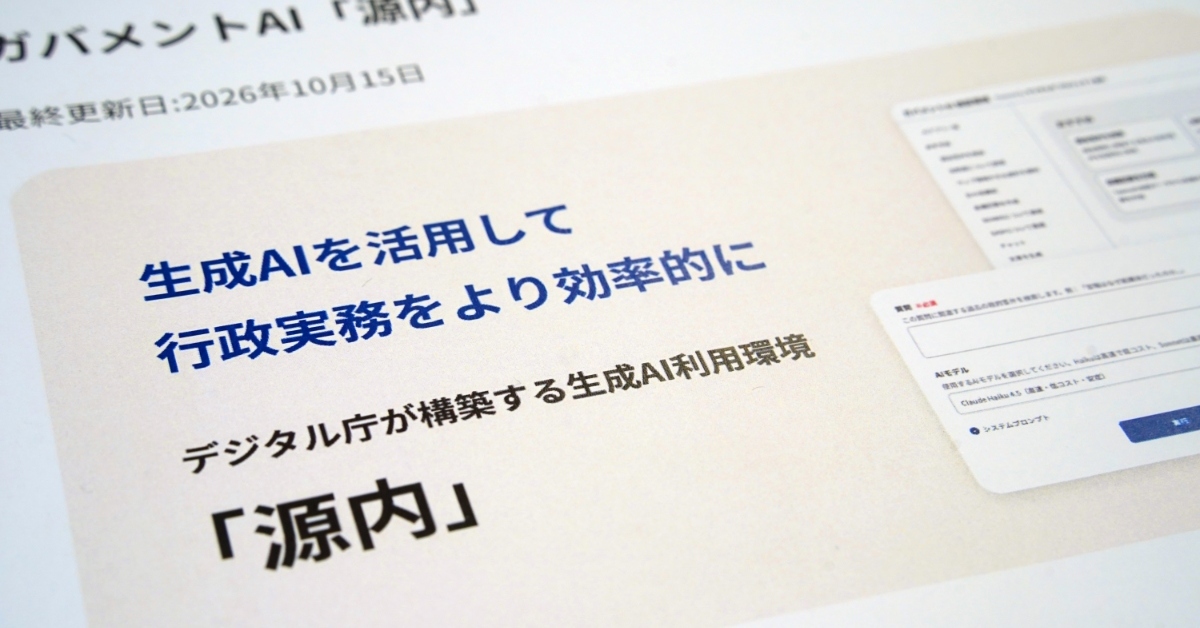
The Digital Agency's Genai platform has been used inside the agency since May 2025 and began rolling out to al…
In a notice dated Oct 20, DHS said the Homeland Security Secretary ordered DeepSeek and affiliate IT products…

Magistrate Judge Alex G

The developer of HACH, an AI agent resident in Slack, Teams, Chatwork and LINE WORKS, laid out three patterns…
The essay says the Editor in Chief of Science wrote "AI in scientific publishing: Slower, worse, and more expe…