What happened
AgentSight is a zero-instrumentation observability tool for AI agents running on Linux that captures token consumption, LLM API calls, and process behavior at the kernel level using eBPF (extended Berkeley Packet Filter), a Linux kernel feature. It requires Linux kernel >= 5.8 with BTF support, root or CAP_BPF privileges, and is installed via the ANOLISA CLI or YUM. The tool runs as a systemd service and serves a web dashboard on port 7396.
Why it matters
Teams running AI agents can monitor token usage across agents, tasks, and models; detect LLM errors, context overflow, SSE truncation, and agent crashes; and audit every LLM call—all without modifying agent code. The dashboard provides real-time token trends, agent health status, and session traces. Integration with Copilot Shell's conversational skill lets users query token usage and audit logs via natural language, and optional Tokenless integration displays token savings data.
What to watch
The tool stores data in SQLite (default 200 MB max capacity; customizable via AGENTSIGHT_GENAI_DB_MAX_SIZE_MB) and auto-triggers cleanup when the limit is reached. Dashboard authentication is token-based for remote access (64 hex characters, auto-generated and persisted); localhost access (127.0.0.1:7396) is authentication-free. macOS support is limited to two commands—trace (scans local JSONL session files) and serve (dashboard viewer)—with all eBPF-dependent features Linux-only.
Summaries like this, in your inbox every morning.
AgentSight fills a gap in AI agent observability by operating at the kernel level without requiring instrumentation inside agent code. The tool uses eBPF, a Linux kernel technology that allows safe execution of programs in kernel space, to intercept system calls and network traffic at the lowest level. This approach avoids the performance cost and code maintenance burden of traditional application-level logging.
The observability focus is three-fold: token economics (usage tracking by agent, task, and model), behavioral auditing (complete LLM call tracing), and reliability monitoring (detection of errors, crashes, and context overflows). The built-in dashboard serves real-time visualization, while CLI commands support programmatic queries and integration with downstream systems. The optional integration with Tokenless component enables teams to see token savings data alongside raw consumption metrics, addressing the growing need to optimize LLM spending across multi-turn agent sessions.
Pick your industry and the AI tools you use, and get news related to your work every day.
Free · 30 seconds with Google · unsubscribe anytimeWhat is AIToday? →
Ask AI anything about this article. The AI reads this article, earlier AIToday articles, and Wikipedia, and cites its sources. Q&As are published on this page for other readers too.
Cammarata reinterprets InceptionV1's cat-car neuron as a V-shape detector, not two unrelated concepts

Google Deepmind's Gemini 4 Argon scored 97.5 percent on ARC-AGI-3 at a cost of $4,800, second only to GPT-6 As…

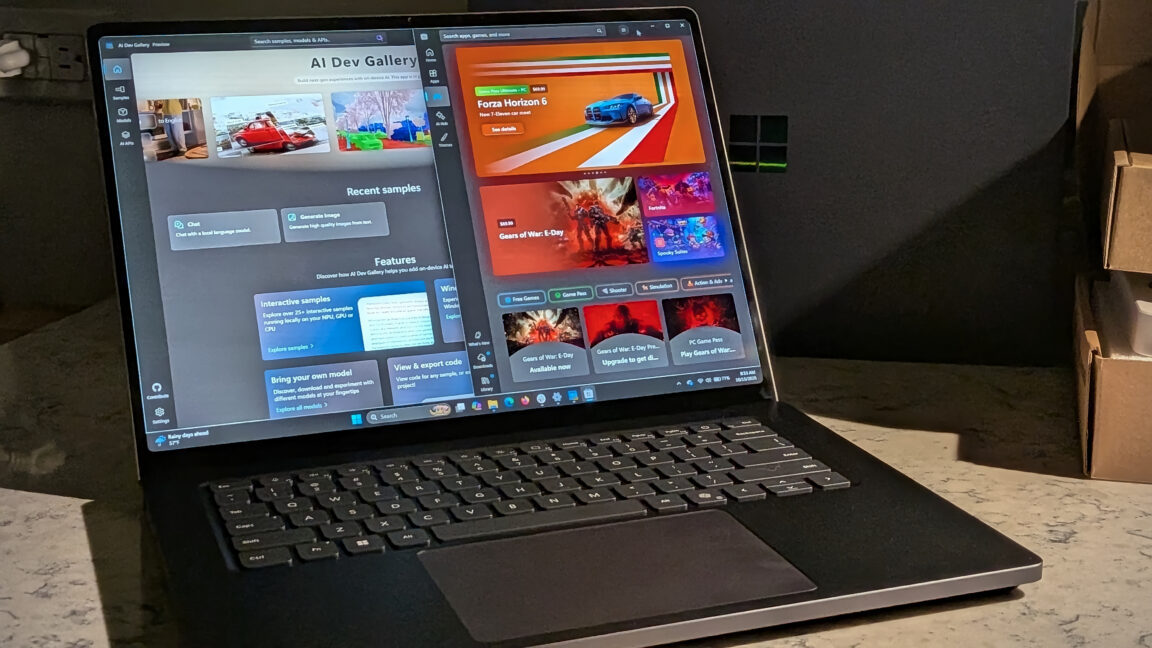
Microsoft's Surface Laptop Ultra, using Nvidia's RTX Spark platform, starts at $2,599 (up to $5,899)
Meta's new commercial terms, effective October 30th, appear to let it crawl and train AI on content from websi…
Vercel data published Thursday shows TypeSafe AI's Jev, a lightweight decision model for choosing among predet…
Reflection AI introduced Beam, an open-weight model for agentic coding and long-horizon tasks, with 501 billio…