What happened
Soraiina ran a drone-and-AI bear patrol demonstration in Kamisunagawa, Hokkaido, from Oct 5 to Oct 9, completing 24 flights over 11 hours 03 minutes and 95 km.
Why it matters
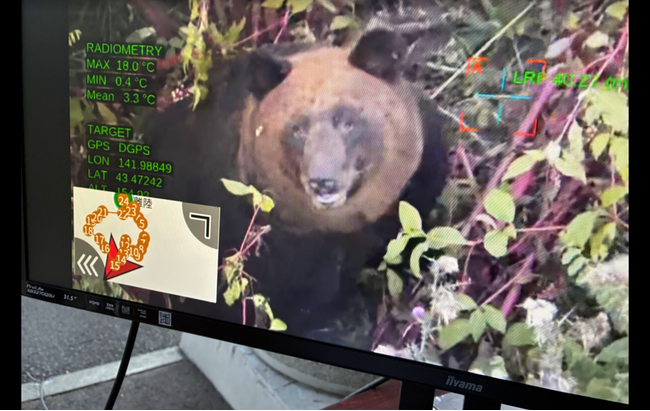
Thermal sensors and AI detected bears that were hard to spot by eye, and remote operations kept staff safe, indicating drones could replace labor-heavy visual patrols.
WHO IT HITSMunicipal staff and local officials in Hokkaido towns who currently handle bear patrols on foot stand to benefit from safer, less labor-intensive remote surveillance, though the work remains a demonstration rather than an operating service.
Summaries like this, every morning.
The demonstration was commissioned under a Cabinet Office program for advanced services in special zones, and Toyota Tsusho served as the business operator while Soraiina handled the drone work. The background is that bears in Kamisunagawa and other Hokkaido municipalities have been appearing in residential areas, and because the same individual tends to move around and stay in the area for days, measures limited to responding right after a sighting have limits. Current patrols are mainly visual checks by municipal staff, which take many person-hours over wide areas and expose workers to bears in the early morning and evening.
Against that, the test flew level 3.5 patrol routes centered on past sighting locations, mainly in the early morning and evening. During the period, a bear was confirmed on Oct 6, and a special flight was made under Article 132-92 of the Civil Aeronautics Act, which allows drones to fly for search and rescue without waiting for permission when there is an urgent risk to life or property. The results showed that thermal sensors could spot bears and other animals in conditions where they are hard to see by eye, and that remote operations kept staff safe while achieving patrol effects.
The next step is to raise the accuracy of AI-based automatic detection and to hold talks on localizing the system so municipalities can keep operating it, along with preparing operation manuals that include emergency special flights. Whether the model can be sustained by local governments after the demonstration is likely to be a key point to watch.
Pick your industry and the AI tools you use, and get news related to your work every day.
Free · 30 seconds with Google · unsubscribe anytimeWhat is AIToday? →
Ask AI anything about this article. The AI reads this article, earlier AIToday articles, and Wikipedia, and cites its sources. Q&As are published on this page for other readers too.
A builder released Cubic Doggo 07B Wouf, a ROS2-controlled 12-DOF untethered quadruped using 12 ST-3215-C018 s…

A hobbyist posted a video showing Qwen3.8-Flash-Next, running fully offline at home, turning plain-English com…

Harmonic Drive Systems, the researcher Shizuka Yada said, will expand US production capacity from summer 2026…

A reader asked Nikkei xTECH to run a feature on physical AI and humanoid robots, covering R&D status in develo…

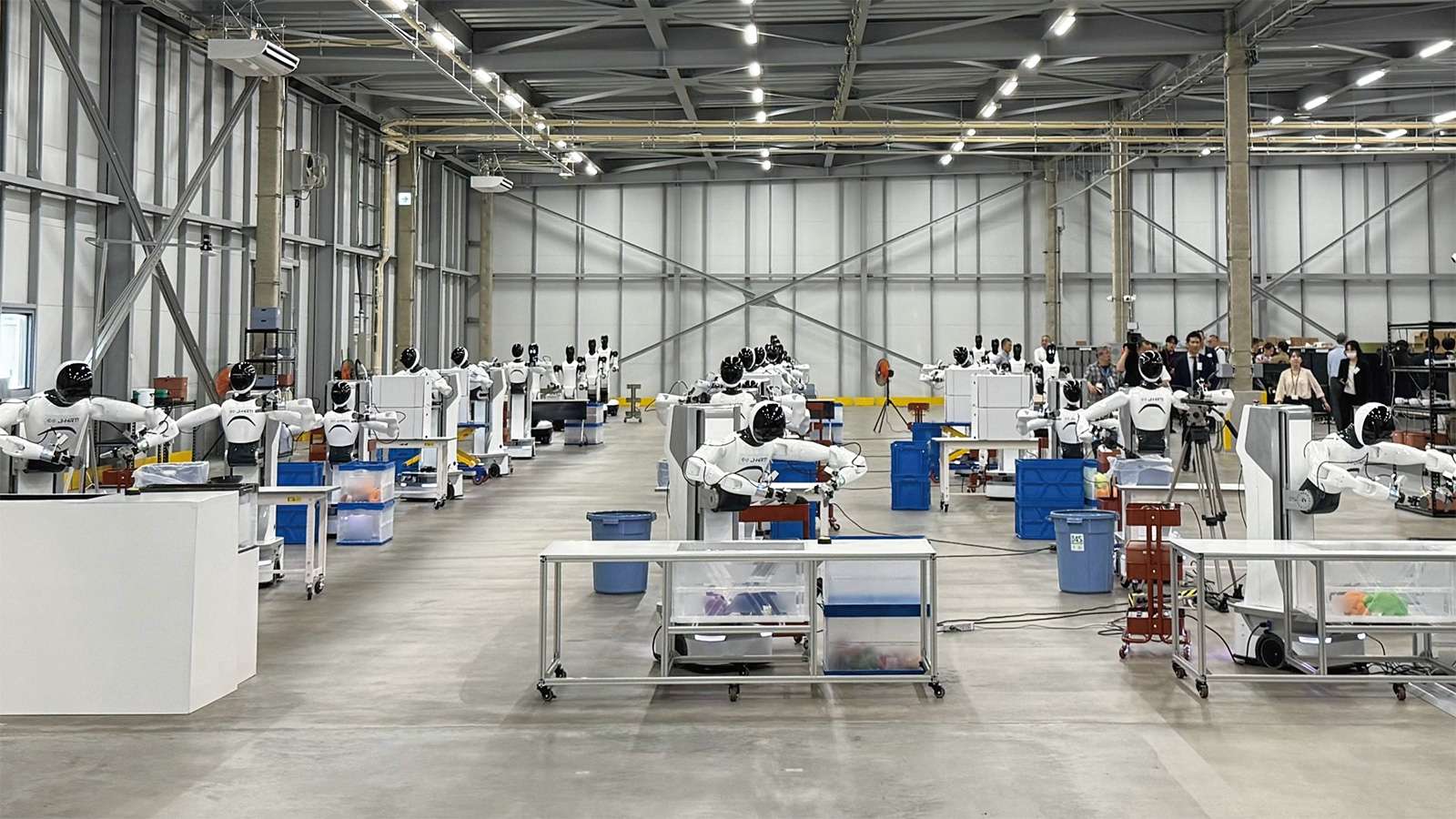
J-HRTI, a consortium for humanoid robots that includes Yamazen and Tsumura, began operating a large data-colle…
Lockheed Martin's AI Center (LAIC) applies RAGE — Responsible AI Governance and Evaluation — at multiple tollg…