
What happened
Japan Research Institute signed a license agreement with Preferred Networks for the domestic LLM PLaMo, and will start company-wide use of PLaMo 3.0 Prime in its on-premises environment from October 2026, while beginning verification of additional training.
Why it matters
Running the model inside its own environment lets the firm keep sensitive information from leaving its systems, a key condition for using AI in core operations such as system development.
What to watch
Company-wide use of PLaMo 3.0 Prime in the on-premises environment starts in October 2026.
WHO IT HITSThis affects IT and development teams at Japan Research Institute that handle sensitive financial system work, who can now use a domestic LLM on internal infrastructure rather than sending data outside.
Summaries like this, every morning.
The agreement follows about six months of evaluation by Japan Research Institute, which tested PLaMo against real business scenarios before deciding to adopt it. The firm wanted a private LLM that could be operated stably and at a high level inside its own environment without sending confidential information outside, and it also valued PLaMo's Japanese-language performance, transparency of training data, and the ease of working with the developer on model improvements.
Under the agreement, the initial rollout will focus on two areas: system development and operations, including review support for design documents and source code, investigation of impact when failures occur, and handling inquiries about specifications and past response histories for long-running systems; and internal back-office work such as searching and responding to internal regulations, drafting minutes and reports, and translation. In parallel, Japan Research Institute will verify additional training of PLaMo using its own data, aiming to build a model that reflects its business know-how and can be used widely across operations.
Preferred Networks positions this as a leading example of domestic AI taking root in financial operations, and plans to continue providing successor models while working closely with Japan Research Institute to support the expansion of its AI use. PLaMo is a fully scratch-developed domestic generative AI foundation model, and PLaMo 3.0 Prime is based on a pre-training model obtained through joint research with NICT.
Pick your industry and the AI tools you use, and get news related to your work every day.
Free · 30 seconds with Google · unsubscribe anytimeWhat is AIToday? →
Ask AI anything about this article. The AI reads this article, earlier AIToday articles, and Wikipedia, and cites its sources. Q&As are published on this page for other readers too.
Burke Wealth Management's Q3 2026 investor letter said Amphenol's data center power business essentially picks…

A Seeking Alpha preview of Corning's Q3 results says AI demand is driving revenue optimism for the company, th…
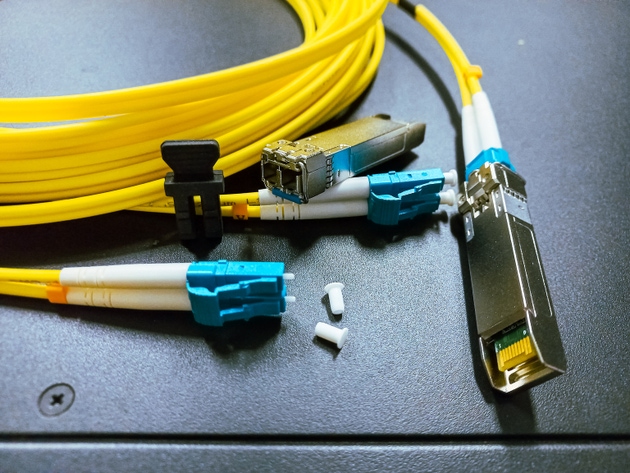
Investing.com reports that all eyes are on Corning's earnings as its AI fiber growth faces a test

At the PRovoke Global Summit, McDonald's discussed rethinking its PR strategy in response to AI reshaping earn…

Booking.com is now having AI answer traveller questions ahead of the guest's arrival, a shift Hospitality Net…

Pathos AI announced multi-year strategic collaborations with Bristol Myers Squibb and Tempus AI to build a cur…