What happened
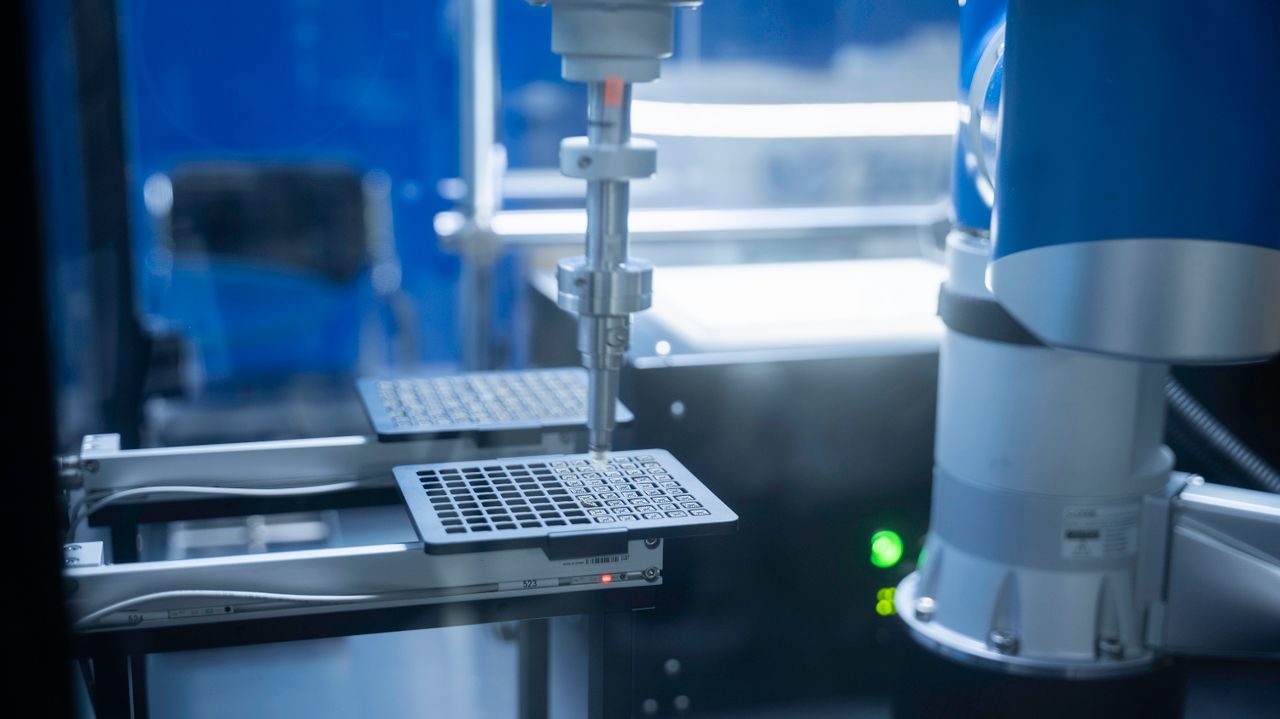
SOMPO Holdings and NTT signed a partnership agreement on November 11, 2026 to advance physical AI in nursing care, and will start by studying use cases such as cleaning, laundry, meal delivery and collection, and item transport.
Why it matters
The two firms are combining SOMPO's care-site operating know-how with NTT's networks, security and platform skills, betting that real-world deployment—not technology alone—is the hard part of easing caregiver shortages.
WHO IT HITSNursing-care operators short of staff could eventually get robots and sensor systems for non-care chores, while physical AI vendors gain a large, early test market in Japan.
Summaries like this, every morning.
The partnership is framed around a problem the two companies say is already visible in Japan: a shortage of care workers that is expected to worsen as the population ages. Rather than treating physical AI—AI that perceives real-world conditions through cameras and sensors and acts through robots and other devices—as a technology-development race, the agreement treats deployment as the bottleneck. Safe, stable operation in a place where people live requires data, workflow design, operations, maintenance and security arranged as one package, the release says.
The division of labor follows that logic. SOMPO Holdings brings what it has learned from providing care services and running care sites, while NTT brings secure networks, security, and the platform-building and infrastructure-operations experience needed to connect devices and systems. The two will involve their group companies as specific efforts require and add outside partners where necessary.
The choice of initial use cases is notable: cleaning, laundry, serving and clearing meals, and moving items—indirect chores rather than direct physical contact with care recipients. That scoping suggests the first goal is relieving workload around care rather than automating care itself. The companies also say they will widen collaboration with physical AI providers and aim to build a model that can be deployed from care settings into other care operators and daily-life areas.
Pick your industry and the AI tools you use, and get news related to your work every day.
Free · 30 seconds with Google · unsubscribe anytimeWhat is AIToday? →
Ask AI anything about this article. The AI reads this article, earlier AIToday articles, and Wikipedia, and cites its sources. Q&As are published on this page for other readers too.
Jefferies initiated coverage of Corning (GLW) with a 'Buy' rating and a $134 price target, implying 19% upside…
CrowdStrike rolled out AI-focused security products and integrations, spanning sovereign cloud deployments, au…
Concentrate AI launched a healthcare AI gateway giving companies access to OpenAI’s GPT, Anthropic’s Claude, a…

Mastercard opened its largest Asia-Pacific Innovation Centre of Excellence in Singapore, a facility spanning m…

Lam Research expects its served available market per wafer in NAND to double from 128-layer to 500-plus-layer…

Rain launched Agent Vaults on November 10, letting AI agents spend from pre-funded vaults via single-use virtu…