What happened
A developer used Claude (an AI that understands and generates text) paired with Seedance 2.0 (a video generation model) to create a complete short film. The work involved fifteen iterations and a multi-stage pipeline: starting with a two-page story prompt, evolving it through Claude brainstorming sessions, generating reference images for characters and locations, and then producing video clips for each scene using AI-generated prompts.
Why it matters
This demonstrates that non-specialists can now produce movie-quality content by combining existing AI tools without needing film crews or expensive equipment. The author showed that Claude Fable (a newer model variant) and Claude Opus (an older variant) produced comparable directing quality when tested head-to-head, meaning the real breakthrough is the accessible toolchain itself rather than a single breakthrough model.
What to watch
The final film is available on YouTube (https://www.youtube.com/watch?v=q40M08SOhGs). The pipeline uses Higgsfield as an API wrapper for Seedance, nano banana for reference image generation, and Claude Code for scriptwriting—a stack that appears reproducible by others interested in AI filmmaking.
Summaries like this, in your inbox every morning.
The article describes a shift in how creative content can be produced: rather than requiring specialized technical expertise or large teams, filmmaking is becoming a task that can be accomplished by iterating with readily available AI tools. The developer's pipeline—text generation, image reference, video synthesis, and iterative refinement—represents a template that others can follow.
Central to the author's finding is a pragmatic observation about model capability: the comparison between Claude Fable and Claude Opus showed that both could act competently as "mini movie directors," suggesting that the enabling factor is not a single breakthrough in AI model quality but rather the accessibility and orchestration of existing tools. The fifteen-iteration workflow indicates that success depends more on patience and prompt engineering skill than on cutting-edge model releases.
The use of Seedance 2.0 and the broader pipeline (Higgsfield as API wrapper, nano banana for reference images, Claude for scripting) hints at an emerging ecosystem where specialized video and image models can be chained together by non-specialists. The public availability of the finished film on YouTube signals that the barrier to entry for AI filmmaking has lowered significantly.
Pick your industry and the AI tools you use, and get news related to your work every day.
Free · 30 seconds with Google · unsubscribe anytimeWhat is AIToday? →
Ask AI anything about this article. The AI reads this article, earlier AIToday articles, and Wikipedia, and cites its sources. Q&As are published on this page for other readers too.
In Q2, billionaires or their funds sold six 'Magnificent Seven' AI stocks
Nvidia was rising early Friday, even as the wider chip sector kept falling, Barron's reported
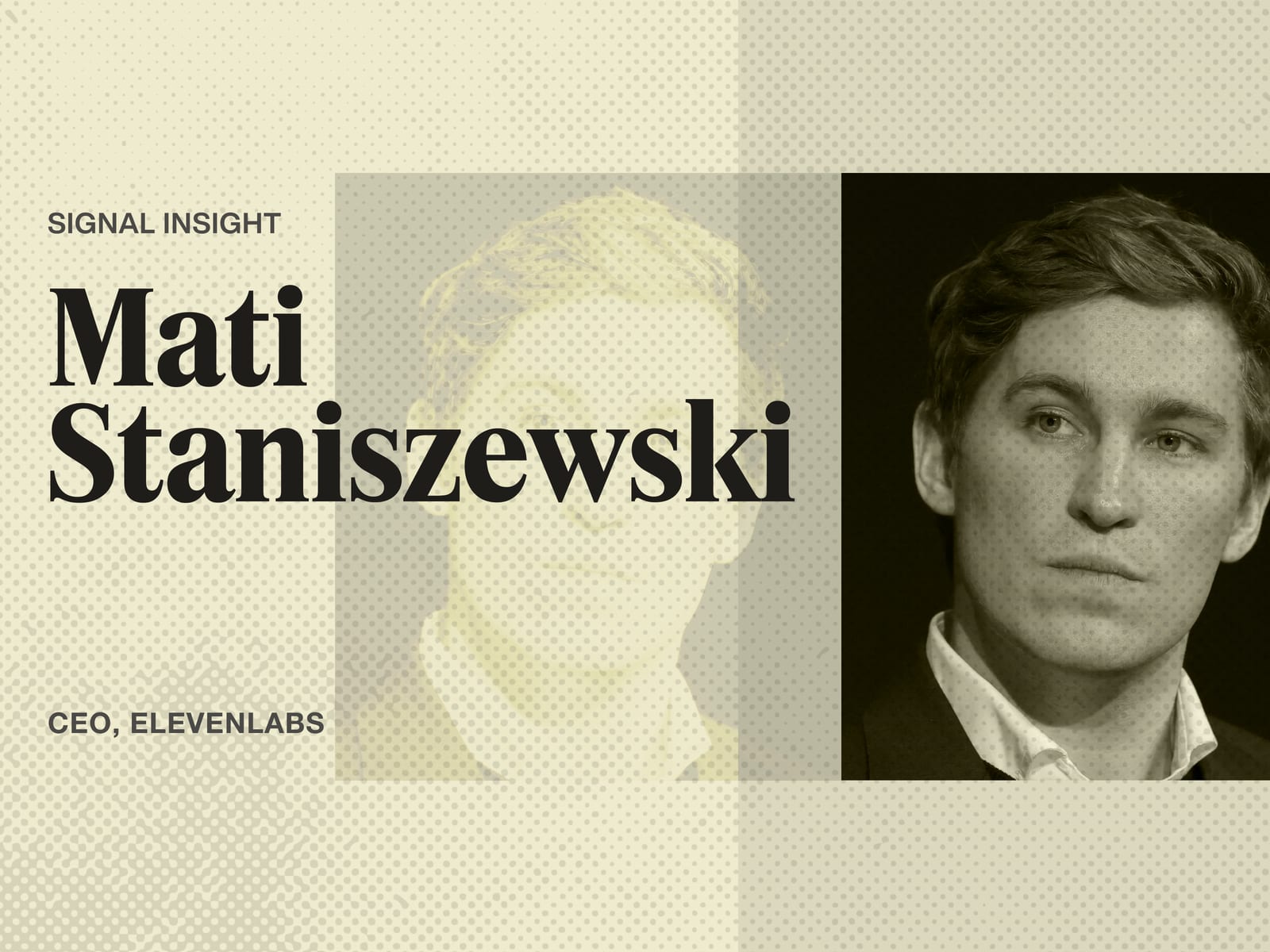
ElevenLabs completed a $300 million employee tender at a $22 billion valuation, and co-founder Mati Staniszews…
On October 15, OpenAI announced the Rosalind Academic Plan, giving approved US university labs free access to…

Neostellar Capital principal Evan Schlossman said CoreWeave's $103.7 billion in remaining performance obligati…
Supermicro Computer appointed Mark Long as chief financial officer, bringing an experienced technology finance…