What happened
TOKIUM new graduate Nara, in the development team since July, says she now opens a paper notebook before using AI, sketching a mind map of the first task and linking related items as the work expands.
Why it matters
Because the basics sit on paper, she says she no longer loses the root of a discussion, and parallel PRs and data-update tasks that once took about 30 minutes to sort now proceed without deliberate re-organizing — a personal method rather than a company rollout, it appears.
Summaries like this, every morning.
The piece is a personal essay from Nara, a new graduate who joined TOKIUM in July with no development background and now works on the development team. Her starting point is a habit many AI users will recognize: asking one question leads to another, and the session drifts far from the original question until she cannot say what she set out to learn. She says she first tried to fix this with AI itself, hashing things out in chat and then re-reading the expanded thread to summarize it — an approach she now calls making AI mastery the goal rather than a means.
What she returned to is a study habit from her student years: a mind map on paper. She writes the initial task in a circle, extends lines, and adds related points, including questions that pop up mid-research. She says this lets her connect distant thoughts, merge two or more into one, and see how far the current thread has drifted from the root. She also names her AI chat sessions after roughly the same major branches, so the paper tells her which topic she is in even mid-conversation.
The claimed payoff is practical. With several jobs running at once — a multi-step PR, a data-update PR, and a task that starts with pinning down requirements — she says she no longer needs a dedicated sorting session, whereas before it would have taken about 30 minutes. Her broader conclusion is that AI mastery should be a means, not the goal, and that writing by hand first keeps her holding the reins when the conversation widens.
Pick your industry and the AI tools you use, and get news related to your work every day.
Free · 30 seconds with Google · unsubscribe anytimeWhat is AIToday? →
Ask AI anything about this article. The AI reads this article, earlier AIToday articles, and Wikipedia, and cites its sources. Q&As are published on this page for other readers too.
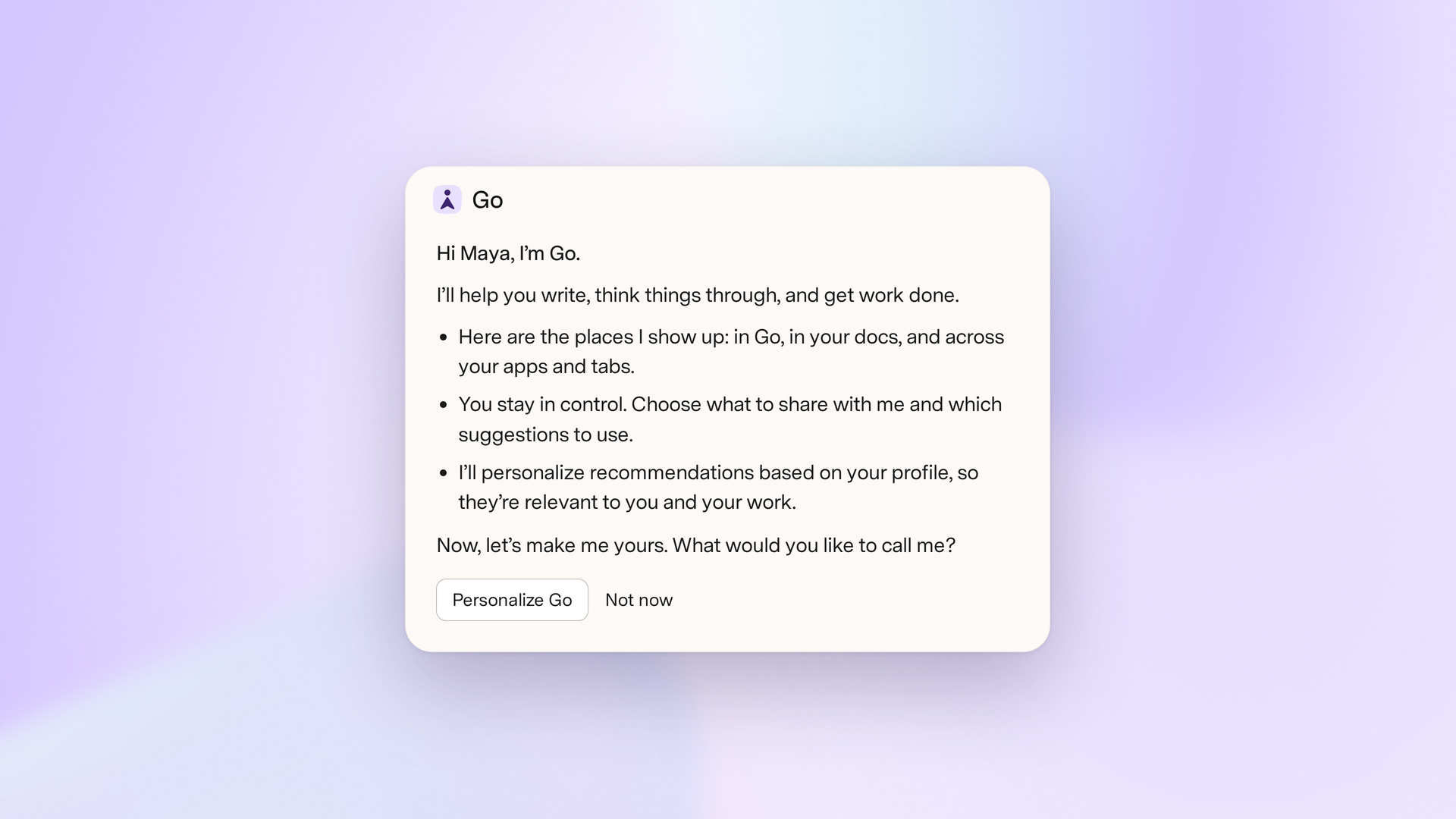
Superhuman, formerly Grammarly, added a personalized assistant to its Go multi-agent platform that works acros…
Alibaba CEO Eddie Wu said on the company's earnings call that the next Qwen AI model is being developed using…

Linq raised $90 million in a Series B led by Andreessen Horowitz at a $1 billion valuation, lifting total fund…

Anthropic's IPO is poised to raise billions, with Amazon and Google holding stakes valued around a combined $3…
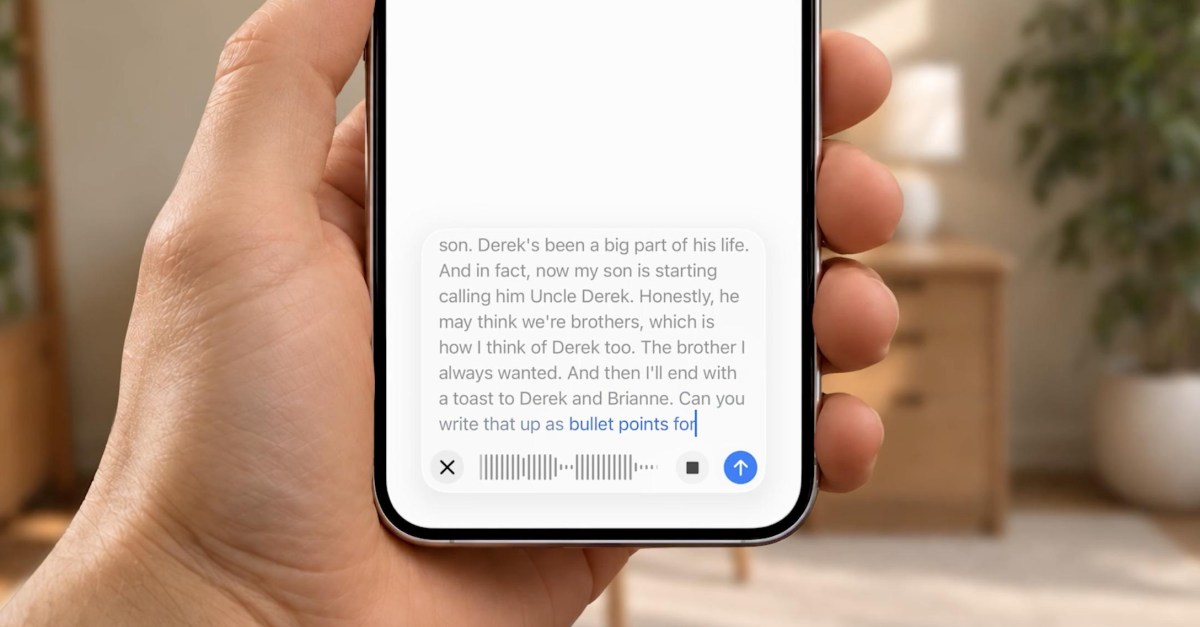
OpenAI is rolling out Live Dictation globally on all ChatGPT plans across web, desktop, iOS and Android; it tr…
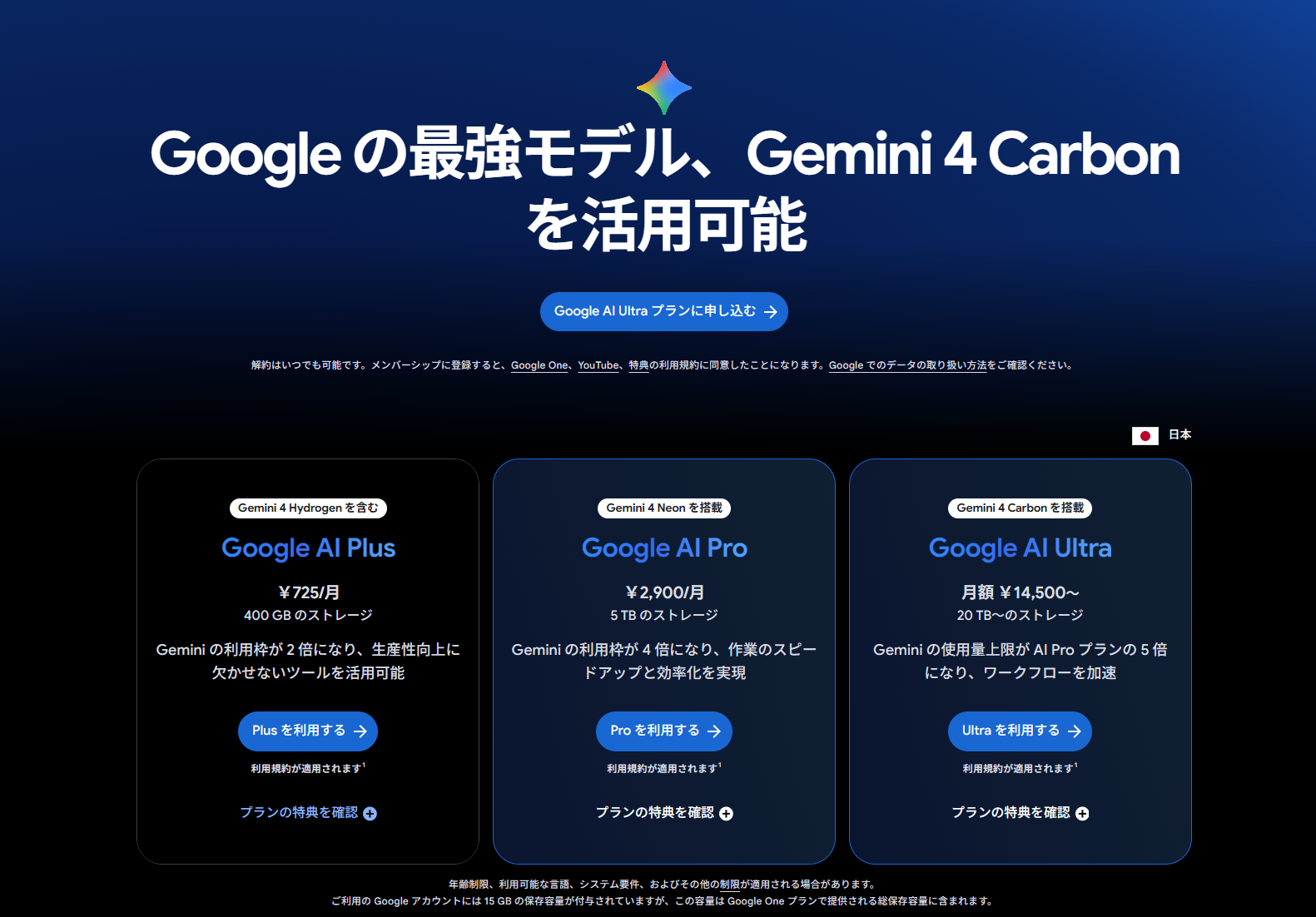
Google said Google AI Ultra (from 14,500円/month) now upgrades its included YouTube Premium from individual to…