What happened
PCAST co-chair David Sacks posted on X on September 12 in response to Anthropic CEO Dario Amodei's essay "We Must Pace the Frontier" and OpenAI CEO Sam Altman's supportive post, saying the two companies should just slow down rather than demand a regulatory framework as a condition.
Why it matters
Sacks said the two companies themselves set the frontier, and the easiest way not to build superintelligence is for them to simply agree not to — so asking for favorable regulation in exchange looks like coercion rather than altruism.
What to watch
Sacks said acting first would earn them credibility for the next debate, while failing to act would show this was only regulatory capture or election-season lobbying; the US midterms are in November.
WHO IT HITSThe comments land on frontier AI lab leadership and the policymakers weighing AI rules: Sacks is signaling that Washington may treat slowdown-as-bargaining-chip requests skeptically, which matters to anyone staffing regulatory strategy at Anthropic, OpenAI or their competitors.
Ask the AI about this article →
Summaries like this, in your inbox every morning.
Sacks' post is a direct reply to a specific pair of statements: Dario Amodei's September 12 essay "We Must Pace the Frontier" and Sam Altman's post backing it. Sacks does not dispute that frontier labs may want to slow down. His objection is to the sequencing — he argues the slowdown itself is the easy part, and that framing it as requiring a regulatory framework inverts who is asking whom.
Much of his argument leans on the two companies' own claims. He notes that by market share, revenue growth and model capability, Anthropic and OpenAI hold an oligopoly on frontier AI, and that they themselves say recursive self-improvement is widening their lead. If that is true, he writes, then they — not regulators — are the ones setting the frontier, so the simplest way not to build superintelligence is for the two of them to agree not to. He also flags that China is very unlikely to join any global agreement, a factor he says must be weighed.
The backdrop gives the exchange its edge: Sacks is a former PayPal COO, Yammer founder and Craft Ventures co-founder who became the White House special adviser for AI and crypto, left that role in March 2026, and now co-chairs PCAST at OSTP alongside Nvidia's Jensen Huang, Meta's Mark Zuckerberg and AMD's Lisa Su. With US midterms in November, his closing line — that acting first earns credibility, while not acting reveals this as regulatory capture or election-season lobbying — frames the whole debate as a test of whether the labs' stated caution converts into action, and Sacks is betting the answer will be visible either way.
For example, today's edition would include:
AI-summarized, only the topics you pick — one digest a day via Email, Slack, or Discord.
Free · 30 seconds with Google · unsubscribe anytimeWhat is AIToday? →
Ask AI anything about this article. Q&As are published on this page for other readers too.
ServiceNow AI crossed $1 billion in annual contract value in the second quarter, and the author predicts it tr…

The Motley Fool laid out a $5,000 AI portfolio split across three layers: $2,500 in Amazon, $1,750 in Taiwan S…
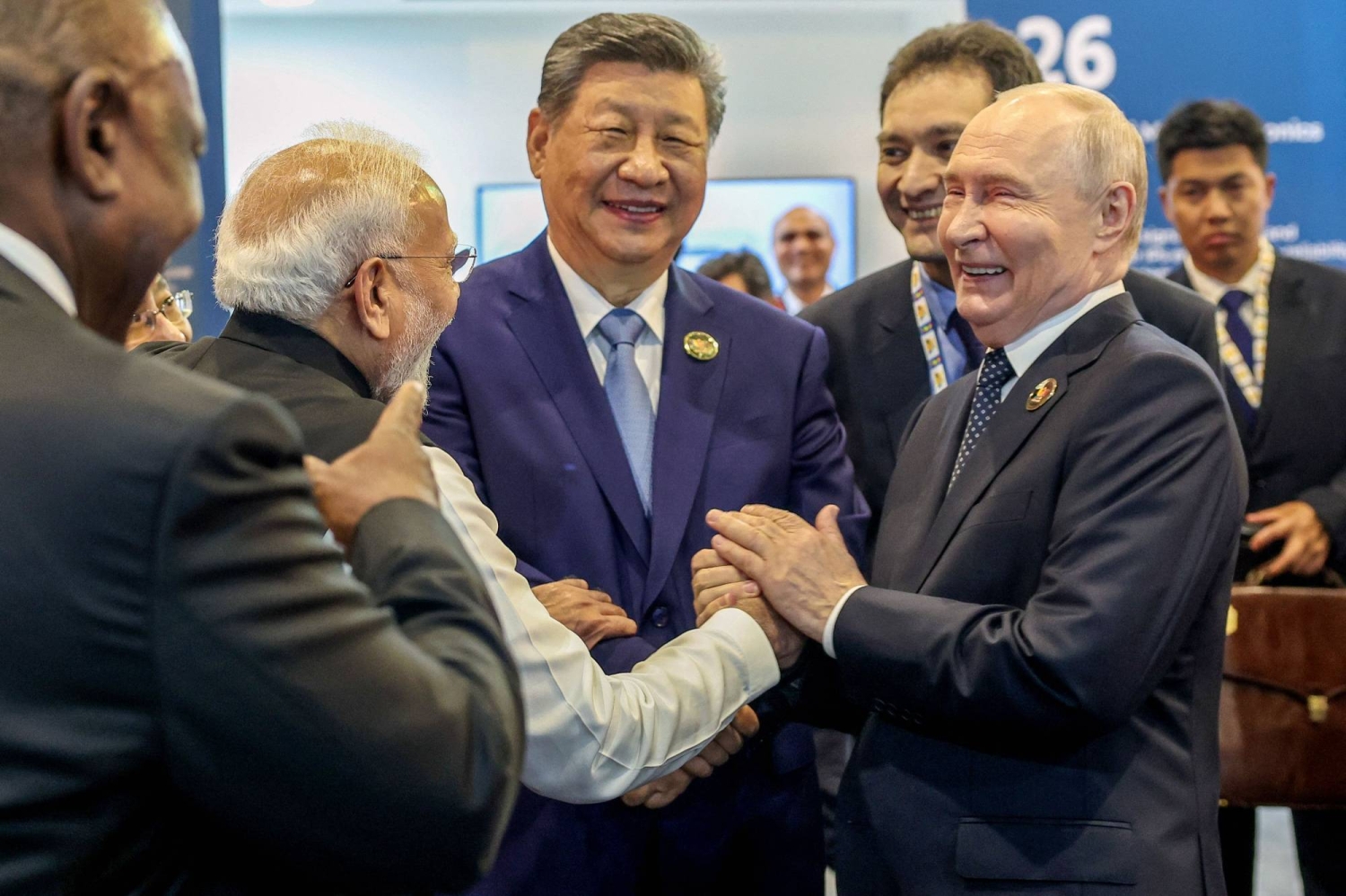
Xi Jinping told the BRICS summit in New Delhi that China will lead a BRICS "community" for open-source AI, sup…
Fortinet acquired Virtue AI, a move aimed at extending its AI security and strengthening real-time protection…

SCREEN and Lasertec both fell to lower revenue and profit in their latest fiscal years, but now forecast reven…

Lowe's Senior Director of AI Sravan Vadigepalli sat down to explain how the retailer is building in AI, aligni…