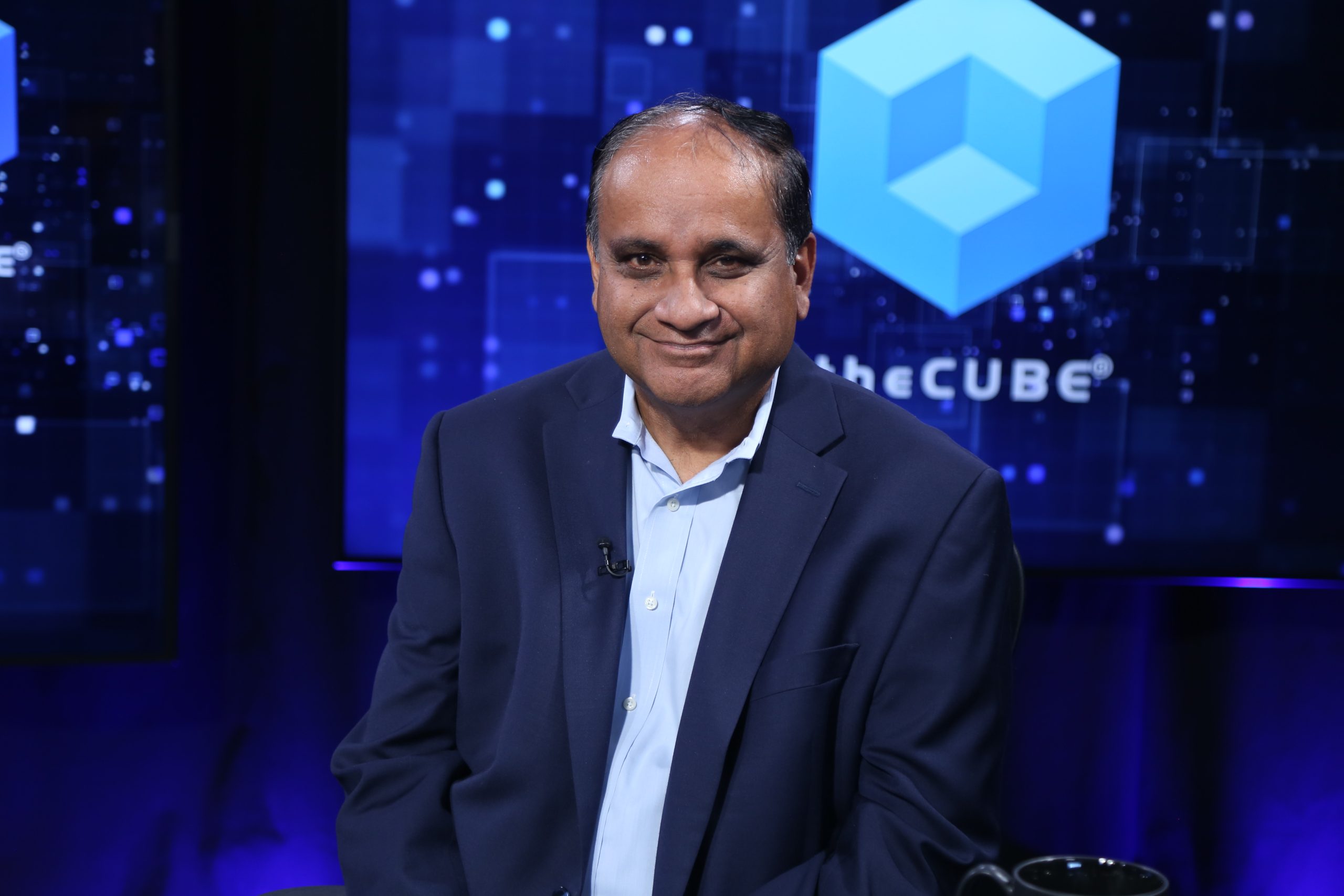
What happened
Broadcom's Umesh Mahajan says agentic AI's constantly shifting cloud infrastructure is expanding the enterprise attack surface, pushing security enforcement down to the virtualization layer. The company is delivering this through its vDefend and Avi Load Balancer product lines, with firewalling at 75 terabits per vCenter cluster and IDS IPS at 17 terabits.
Why it matters
Mahajan argues perimeter firewalls alone can be bypassed and that enterprises delaying lateral security risk falling behind automated attacks. He warns that bolting protection onto infrastructure already carrying production AI traffic is the failure mode to avoid, saying security must be at the infrastructure level and at scale before compromise happens.
What to watch
Broadcom is doing security processing in the hypervisor to avoid latency from separate appliances, which matters for AI workloads. Mahajan says agents and Model Context Protocol services are transient, so admins need a real-time picture of what is authorized versus shadow IT, with work now landing alongside private cloud modernization programs.
Summaries like this, in your inbox every morning.
The conversation at VMware Explore 2026 frames agentic AI not just as a workload change but as a structural challenge for enterprise security. Mahajan describes how customers have bought multiple security products that do not integrate, leaving seams that attackers exploit. Broadcom's answer is an integrated software stack sharing context across vDefend and Avi Load Balancer, pushing enforcement into the hypervisor where traffic inspection can occur without the delay of separate appliances. That design choice is grounded in the scale of AI workloads, which generate heavy east-west traffic and punish any added latency.
The emphasis on visibility reflects the transient nature of agents and Model Context Protocol services. Administrators need a real-time picture of what is authorized and what is shadow IT before they can quarantine anything, and that work is now being folded into private cloud modernization programs. Mahajan's warning is pointed: waiting two years to deploy lateral security means risking compromise, especially as automated attacks evolve. He frames the choice as deploying security at the infrastructure level and at scale now, rather than bolting it onto infrastructure already carrying production AI traffic.
Pick your industry and the AI tools you use, and get news related to your work every day.
Free · 30 seconds with Google · unsubscribe anytimeWhat is AIToday? →
Ask AI anything about this article. The AI reads this article, earlier AIToday articles, and Wikipedia, and cites its sources. Q&As are published on this page for other readers too.
Chunghwa Telecom president Rong-shy Lin said the shift from conversational AI to autonomous AI agents is resha…
CoreWeave fell 5% in premarket trading Friday and was on track to finish the week down 15%, after rebounding f…
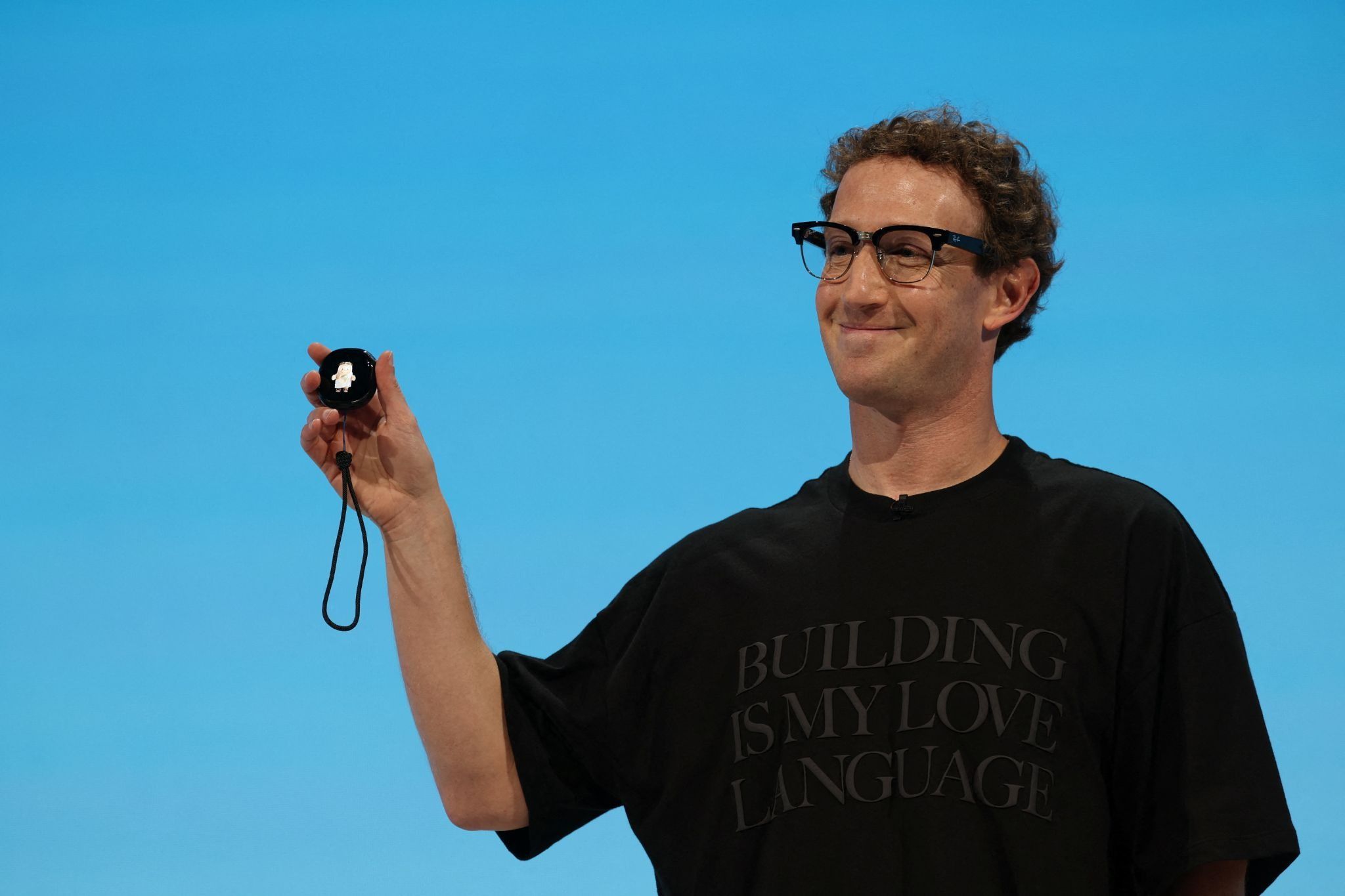
Apple and Meta said they would jointly release a new open-weight AI model designed to run on high-end Macs, ai…
Investors put $38.5 billion into Asian startups in Q3, per Crunchbase data

A writer and entrepreneur opened his daily to-do list and found 156 items, and concluded that an AI assistant…

A longtime Anthropic investor told Fortune he expects shares priced around $1.8 trillion, below the company's…