
What happened
On June 4, C3.ai and Shell extended their partnership to scale their enterprise predictive maintenance program globally. Shell will now integrate AI agent-based root cause analysis and remediation into its monitoring systems, powered by C3.ai's Reliability and Agentic AI platforms on Microsoft Azure. The collaboration builds on a partnership dating back to 2018, which currently monitors over 13,000 pieces of equipment across Shell's asset operations.
Why it matters
The expansion represents a shift toward operationalizing Enterprise AI to reduce unplanned downtime and deliver economic value for energy infrastructure. By moving beyond basic anomaly detection to AI-driven root cause analysis, Shell can improve operational safety, efficiency, and performance—areas critical to large-scale industrial operations.
What to watch
Microsoft highlighted the project as a key example of how secure cloud infrastructure supports high-impact AI applications at a global scale, suggesting the model may serve as a reference for other large enterprises considering similar deployments.
Summaries like this, in your inbox every morning.
C3.ai's partnership with Shell exemplifies how enterprise AI is transitioning from descriptive monitoring to autonomous problem-solving. The collaboration, which started in 2018 with basic anomaly detection across over 13,000 assets, is now advancing to agent-based root cause analysis—where AI systems not only identify equipment problems but recommend and execute remediation steps. This progression reflects a broader industry shift: as enterprises mature in their AI deployments, they move from passive alerting to active decision-making and intervention.
The partnership's global expansion is significant because it demonstrates that operational AI, once proven in a specific use case, can be replicated across diverse geographies and asset types. By anchoring the deployment on Microsoft Azure, the collaboration highlights how cloud infrastructure has become essential infrastructure for enterprise AI at scale. The economic incentive is clear: reducing unplanned downtime directly protects revenue in capital-intensive sectors like energy, making the investment in advanced analytics and autonomous agents a business priority rather than a technology experiment.
Pick your industry and the AI tools you use, and get news related to your work every day.
Free · 30 seconds with Google · unsubscribe anytimeWhat is AIToday? →
Ask AI anything about this article. The AI reads this article, earlier AIToday articles, and Wikipedia, and cites its sources. Q&As are published on this page for other readers too.
AI-related stocks faced heavy selling pressure on concerns over capital expenditure levels and slowing revenue…

A Seeking Alpha analyst published a piece titled "GE Vernova: AI's Next Bottleneck Is Electricity," arguing th…
Interactive Brokers reported Q3 2026 earnings of $0.67 per share, in line with the Zacks Consensus Estimate, w…

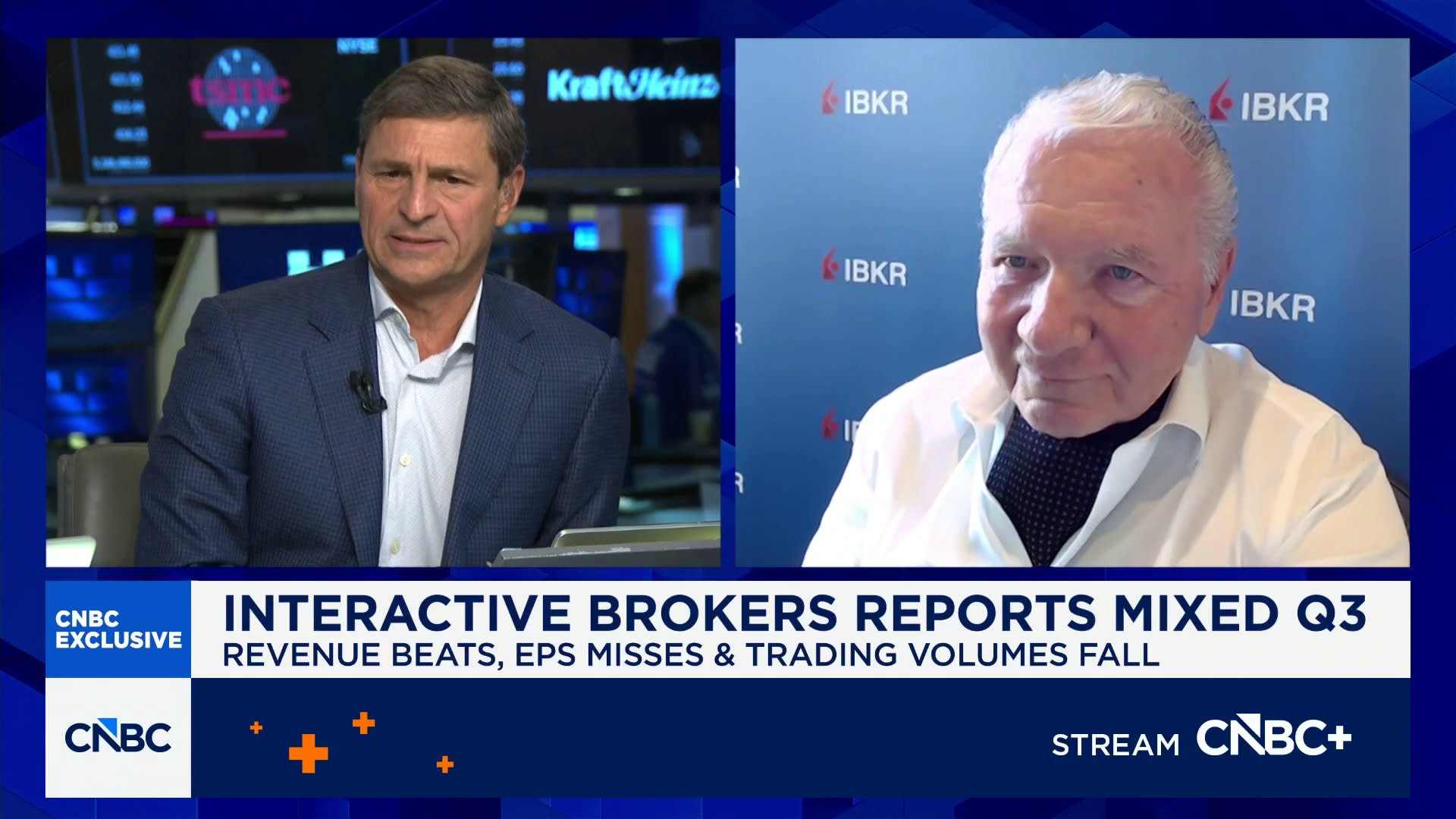
Interactive Brokers Chairman and Founder Thomas Peterffy appeared on CNBC's "Squawk on the Street" to discuss…
Charles Schwab CEO Rick Wurster said an AI agent should trade for you only if you set the rules and oversee th…
Marusan Securities kept its "Buy" rating on TOWA (6315.JP) and raised its price target to 4,200 yen from 3,400…