What happened
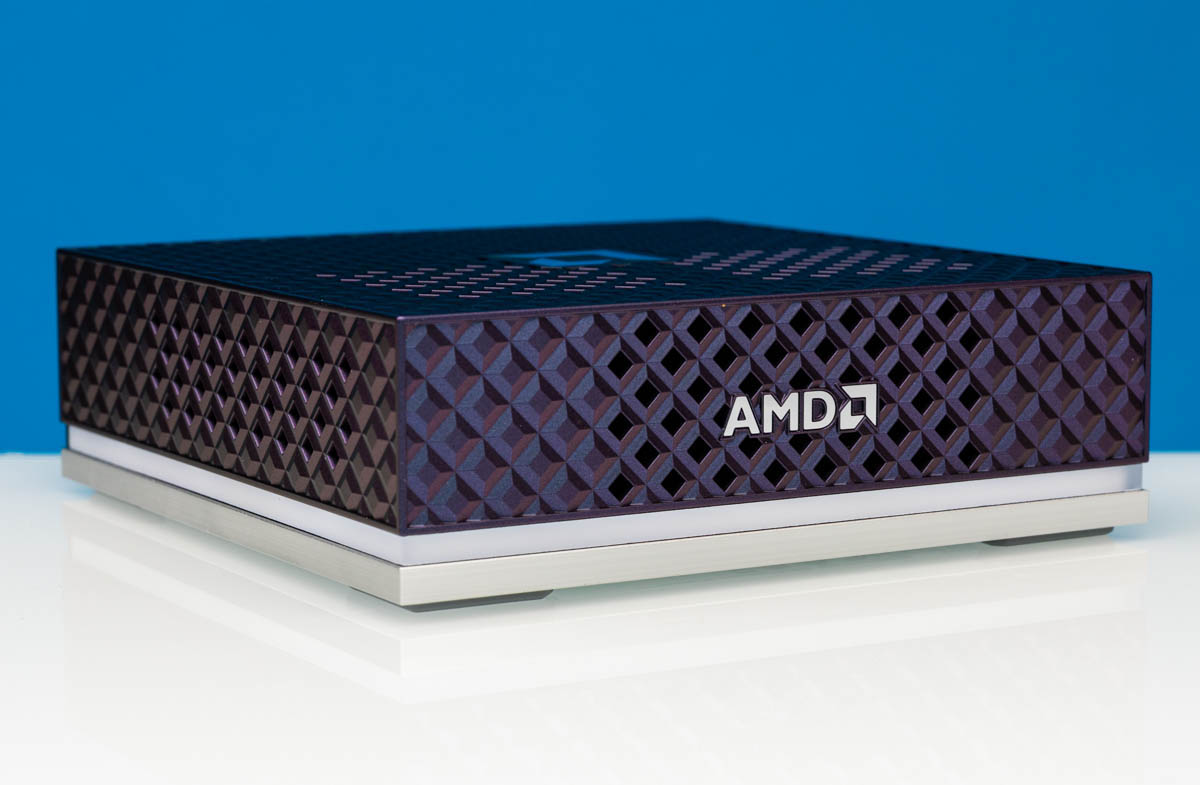
AMD has released the Ryzen AI Halo, a developer system priced at $3,999 that includes an AMD Ryzen AI Max+ 395 mini PC with 128GB of memory. The company designed it as a compact alternative to larger developer workstations, with a form factor roughly similar to the NVIDIA DGX Spark but without a high-end networking card.
Why it matters
The Ryzen AI Halo is pitched as a top-tier developer experience for local AI work. Developers building AI applications on AMD hardware can now access a complete, ready-to-use system at a fixed price point, rather than assembling components separately.
What to watch
The system omits the high-speed 200GbE networking port found on competing systems like the NVIDIA GB10 cluster, instead offering only a 10Gbase-T port. This choice affects scalability for multi-unit cluster setups and means developers will not learn AMD's high-end network stack through this platform.
Summaries like this, in your inbox every morning.
The AMD Ryzen AI Halo represents AMD's attempt to establish a turnkey developer platform for local AI workloads. By bundling a complete mini PC system with a fixed price and configuration, AMD removes the friction of component selection and assembly for developers who want to build and test AI applications without relying on cloud services. The device's compact form factor—comparable to NVIDIA's DGX Spark—signals AMD's intent to compete directly in the high-performance, portable AI developer category.
However, the absence of advanced networking infrastructure marks a deliberate trade-off. While the omission of a 200GbE NIC reduces cost and complexity for single-unit deployments, it also closes off a use case that NVIDIA's systems support: distributed multi-node clusters. This constraint may limit the Ryzen AI Halo's appeal to teams building large-scale AI applications or those seeking to learn and validate AMD's enterprise networking stack. The body notes this design choice explicitly affects scalability for systems like an "8x NVIDIA GB10 cluster," suggesting AMD has chosen to focus on the single-developer or small-team segment rather than compete head-to-head across all developer scenarios.
Pick your industry and the AI tools you use, and get news related to your work every day.
Free · 30 seconds with Google · unsubscribe anytimeWhat is AIToday? →
Ask AI anything about this article. The AI reads this article, earlier AIToday articles, and Wikipedia, and cites its sources. Q&As are published on this page for other readers too.
Wells Fargo hired an AI executive based in San Francisco, a move The Business Journals describes as part of em…

Amazon launched two Bee "personal AI" devices on Thursday: the $74.99 Bee Frontier wristband and the $99.99 Be…

Apple released MLX today, which runs the 816B-parameter Muse Spark Open on four Mac Studios at over 36 tokens…

Bloom Energy stock fell 4% to $229.83, still up 165% year to date, while Caterpillar slipped 3% to $727.55 and…

LogicMonitor announced its 2026 Elevate Award winners at its Elevate Community Conference in Chicago, honoring…

Sandisk, AMD shares fall as Anthropic adds to AI concerns, per Barron's