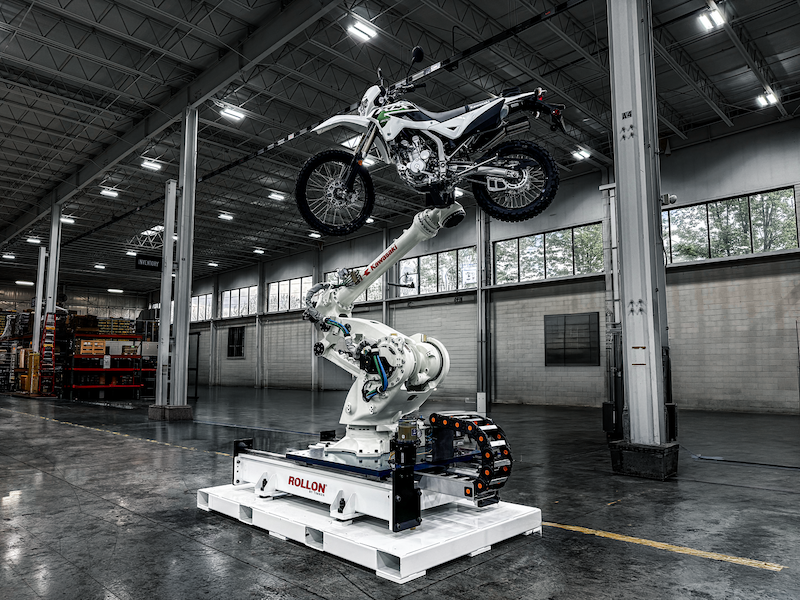
Kawasaki Robotics unveiled the RL030N, the first 8-axis robot built specifically for Physical AI applications, capable of adaptive motion and real-time external control through an open API.
The company also demonstrated faster weld inspection using its Pulseboard technology, which synchronizes imaging with robot movement to complete inspections up to 10 times faster while improving defect detection.
What happened
Kawasaki Robotics showcased the RL030N, the industry's first 8-axis robot designed specifically for Physical AI applications, at Automate 2026 in Chicago. The company also demonstrated its patented Pulseboard inspection technology integrated with a weld inspection system, and showed a closed-loop adhesive dispensing system that adjusts in real time at up to 400 times per second.
Why it matters
Unlike conventional industrial robots optimized for repetitive tasks, the RL030N supports AI-driven applications requiring adaptive motion, obstacle avoidance, and complex motion planning. The Pulseboard system enables weld inspection up to 10 times faster by continuously synchronizing image capture with robot movement, rather than stopping repeatedly—a capability that could help manufacturers reduce defects and maintain production speed.
What to watch
The RL030N is powered by Kawasaki Robotics' open KRNX real-time control API, enabling external AI software, machine learning systems, and third-party orchestration to control the robot in real time. The robot's 8 degrees of freedom architecture provides greater dexterity than traditional six-axis robots for confined-space manipulation and dynamic environments.
Ask the AI about this article →
For example, today's edition would include:
AI-summarized, only the topics you pick — one digest a day via Email, Slack, or Discord.
Free · takes 30 seconds · unsubscribe anytimeWhat is AIToday? →
Ask AI anything about this article. Q&As are published on this page for other readers too.
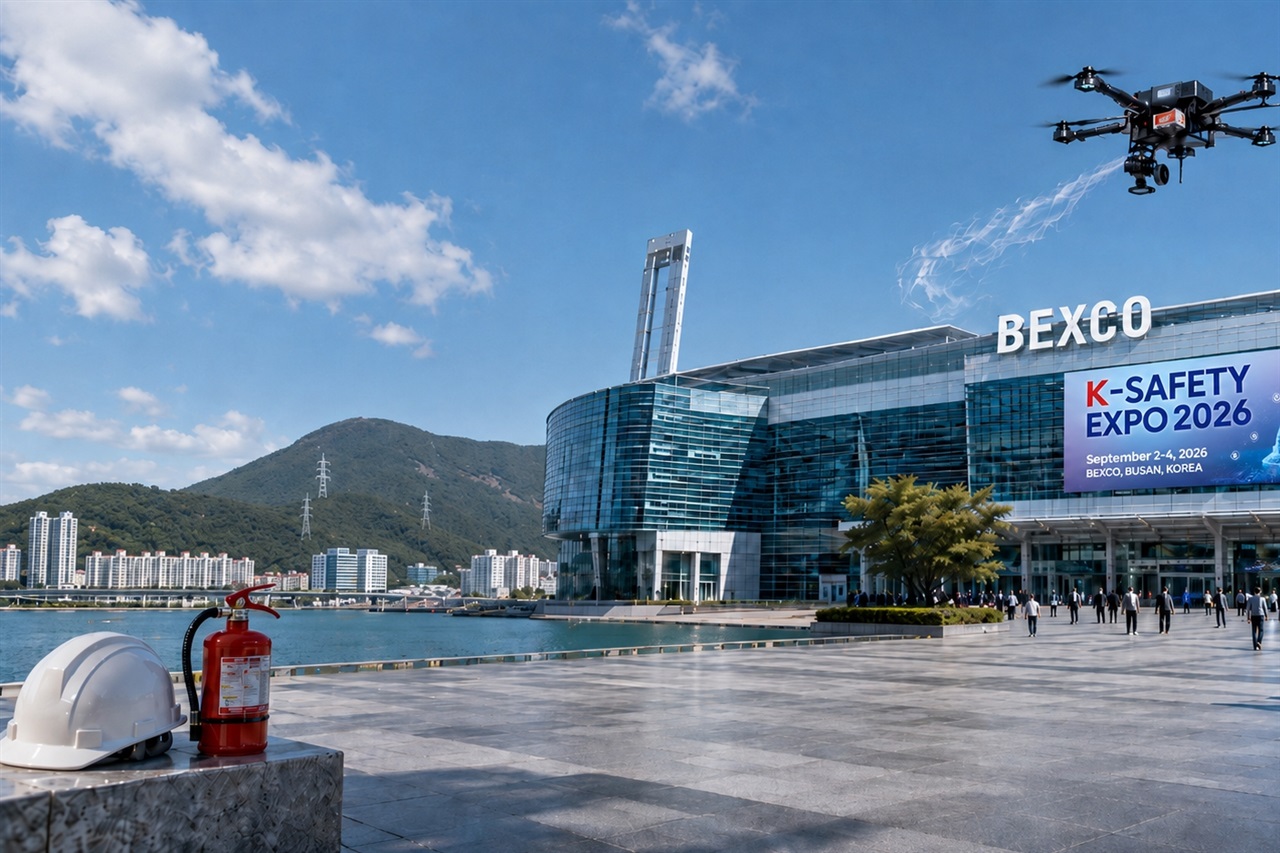
K-Safety Expo 2026 will be held at BEXCO in Busan from September 2–4, featuring AI, robots, sensors, and conne…
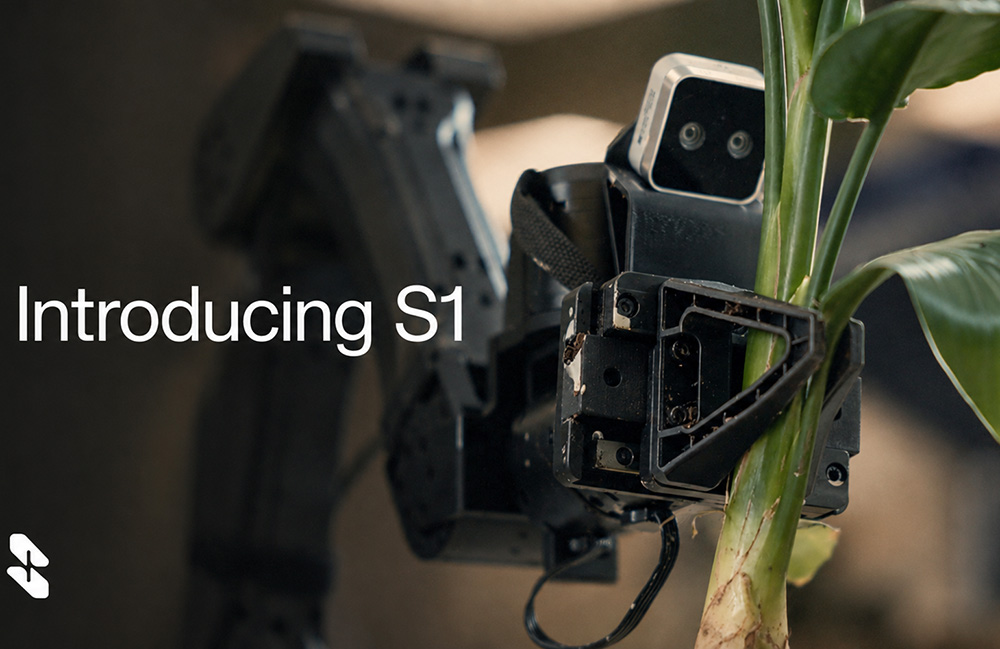
Skild AI has introduced S1, its flagship robot foundation model, which lets robots learn new, complex tasks by…
BHP, the world's largest mining company by market capitalization, has deployed AI across its operations
John Deere announced a three-year, $10 million research and development partnership with ag-tech company Reser…
On July 16, 2026, NVIDIA announced that 22 Japanese companies and organizations have expressed intent to join…
Panasonic HD has established a new AI and robotics research and development division, and CAIO Sakaba is leadi…