What happened
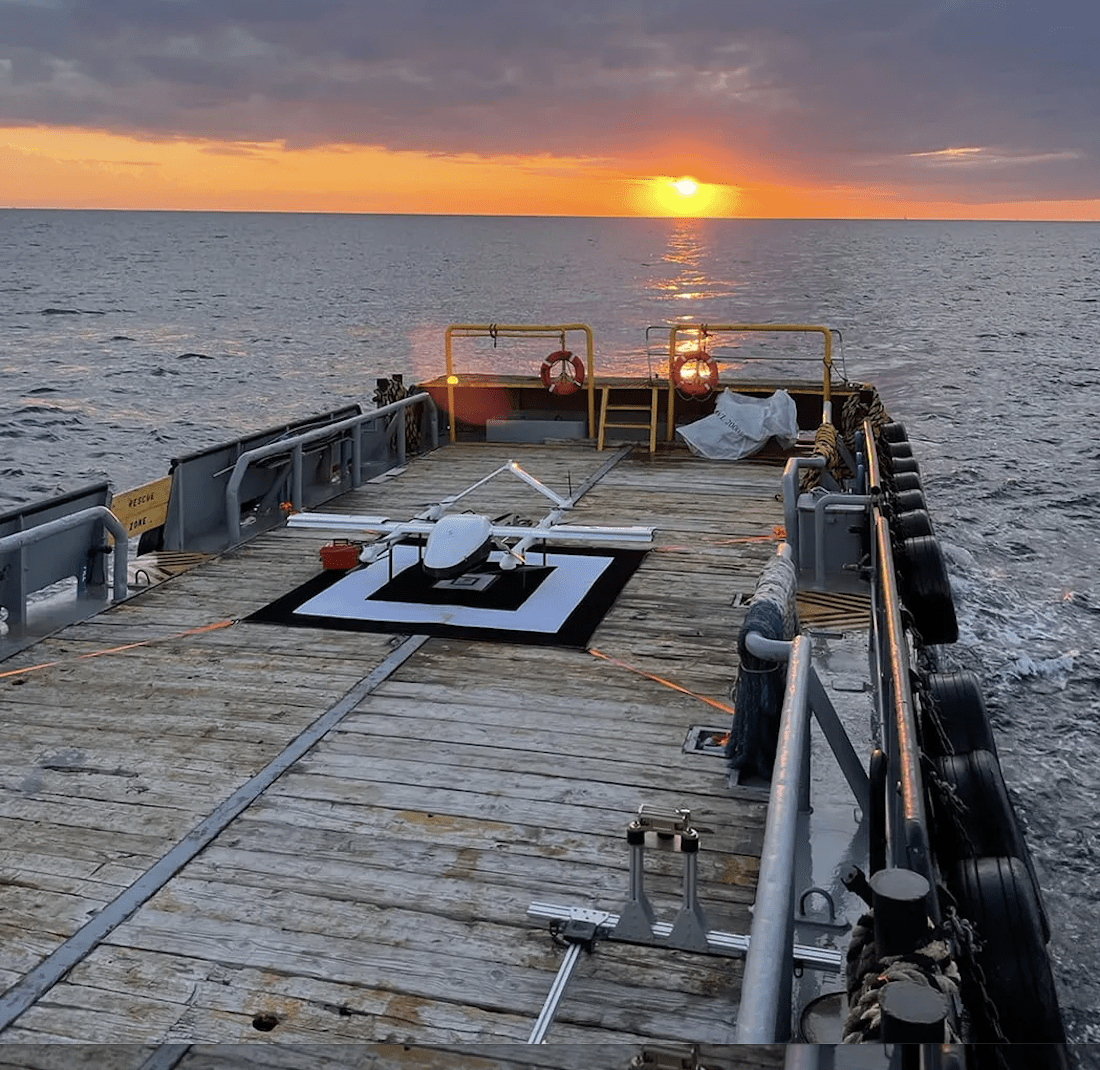
Austin-based Skyways Aviation has quietly assembled the world's largest unmanned aircraft fleet over the past decade, operating heavy-duty autonomous drone deliveries across three continents. The company's V3 aircraft can carry payloads of up to 100 pounds across a range of over 1,000 miles and operates offshore cargo missions for maritime, oil, and logistics clients. Skyways has partnered with Japan's All Nippon Airways (ANA) to fly cargo missions from Okinawa to surrounding islands and military vessels, and is preparing to begin flights with Danish logistics company DSV A/S.
Why it matters
Skyways' approach—solving customer problems rather than marketing technology—reflects a deliberate business philosophy established by CEO Charles Atkin nine years ago, when he decided to avoid marketing and promotion entirely. The company's wealth of international regulatory experience positions it to handle upcoming U.S. drone regulations, particularly the FAA's anticipated BVLOS (beyond visual line of sight) rule, Part 108, which will require commercial drones to have detect-and-avoid technology. For businesses with offshore or maritime assets seeking cargo delivery and inspection services, Skyways' track record across multiple regulatory environments offers credibility in a sector known for unfulfilled promises.
What to watch
Skyways is developing a project to provide cargo delivery and inspection services to major U.S. and international oil companies operating in the Gulf of Mexico, with more details expected in the next several months. The company is also pursuing two significant regulatory goals: the ability to operate multiple aircraft using a single pilot, and authorization to fly offshore beyond the 12-nautical-mile limit—capabilities the company believes will unlock new airspace.
Summaries like this, in your inbox every morning.
Pick your industry and the AI tools you use, and get news related to your work every day.
Free · 30 seconds with Google · unsubscribe anytimeWhat is AIToday? →
Ask AI anything about this article. The AI reads this article, earlier AIToday articles, and Wikipedia, and cites its sources. Q&As are published on this page for other readers too.
On October 8, President Trump posted on Truth Social that the White House regards anyone using the term "Artif…
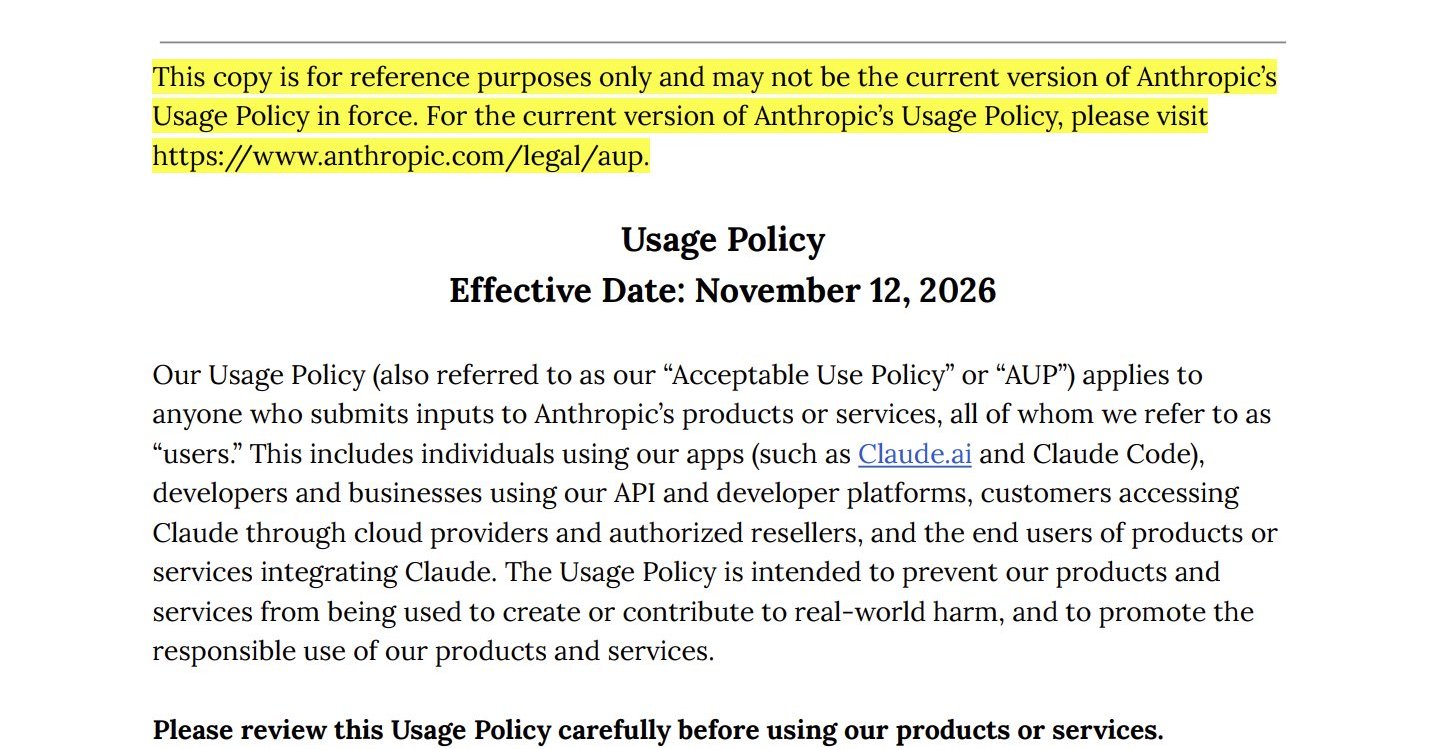
Anthropic published a revised Usage Policy for Claude on October 8, effective November 12
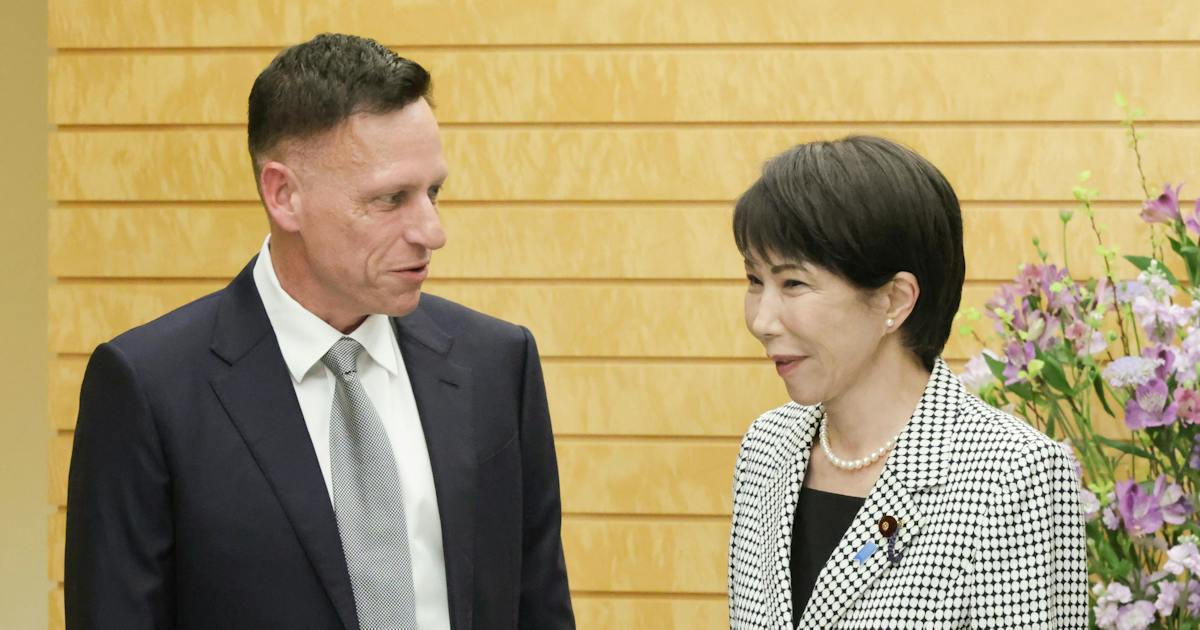
Politico reported on audio of private talks Peter Thiel gave in Tennessee on Sept 28 and Oct 5, where he said…
Danaher announced the launch of its first AI powered autonomous laboratory aimed at life sciences research acc…

In a SoftBank dialogue, AI governance chief Tadashi Iida and expert Kyoko Yoshinaga said firms must justify hu…
Renesas has developed its first low-voltage GaN power semiconductor, working with EPC and drawing on its own d…