What happened
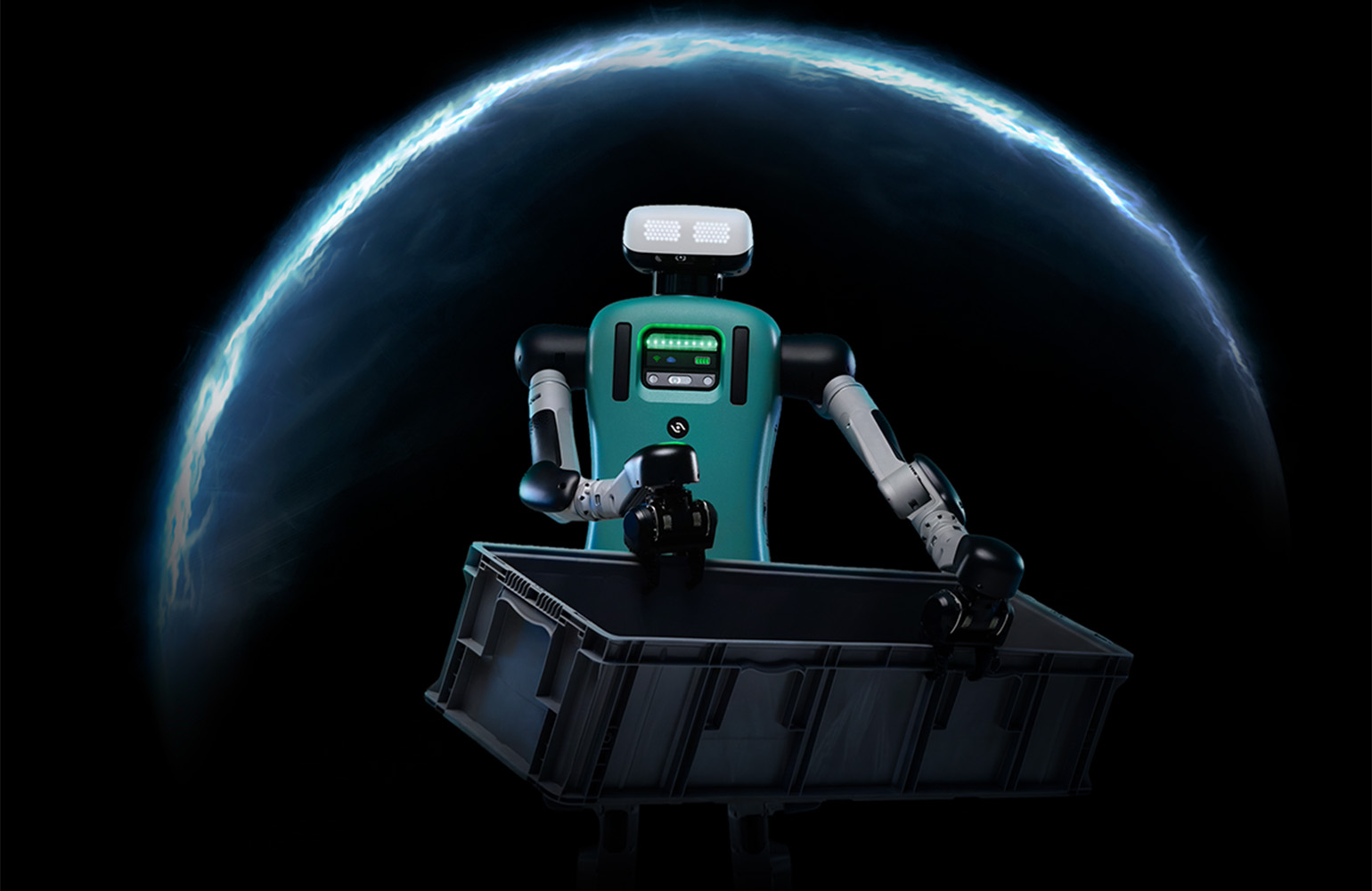
NVIDIA released NVIDIA Halos for Robotics, a comprehensive safety architecture that unifies AI compute, system software, sensor data, safety applications, and inspection tools. Agility Robotics is the first company integrating the system into its Digit humanoid robot for industrial work. NVIDIA Halos Core is available in early access for registered developers, and the open source NVIDIA Halos Outside-In Safety Blueprint is now available on GitHub.
Why it matters
Autonomous robots operating in dynamic environments alongside humans require safety engineered across every layer of hardware and software. By offering a standardized, unified safety architecture and an ANSI National Accreditation Board-accredited inspection lab, NVIDIA appears to be addressing a key barrier to large-scale robot deployment in industrial settings. The system supports third-party certification by bodies including TÜV Rheinland, UL Solutions, and TÜV SÜD.
What to watch
More than 40 companies—including software providers (Acontis, Amazon FreeRTOS, QNX), embedded systems makers (Advantech, NexCobot), sensor and semiconductor suppliers (Infineon, NXP, SICK, STMicroelectronics, Texas Instruments), and industrial application developers (FORT Robotics, Inventec, KION Group, Neurealm)—are joining the ecosystem. Agility will participate in the NVIDIA Halos AI Systems Inspection Lab to ensure Digit meets standards including IEC 61508, ISO 13849, and ISO/IEC TR 5469 before final third-party certification.
Summaries like this, in your inbox every morning.
Pick your industry and the AI tools you use, and get news related to your work every day.
Free · 30 seconds with Google · unsubscribe anytimeWhat is AIToday? →
Ask AI anything about this article. The AI reads this article, earlier AIToday articles, and Wikipedia, and cites its sources. Q&As are published on this page for other readers too.
In Q2, billionaires or their funds sold six 'Magnificent Seven' AI stocks
Nvidia was rising early Friday, even as the wider chip sector kept falling, Barron's reported
ElevenLabs completed a $300 million employee tender at a $22 billion valuation, and co-founder Mati Staniszews…
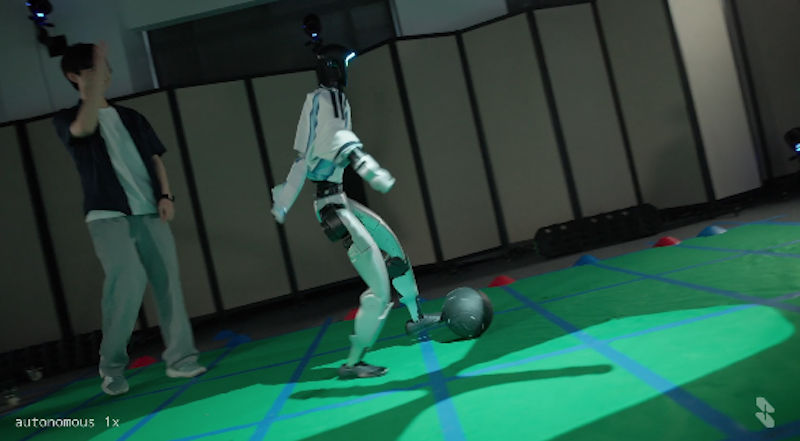
Skild AI used Nvidia Isaac Sim to give its S1 model one objective — score a goal — and let it compete against…
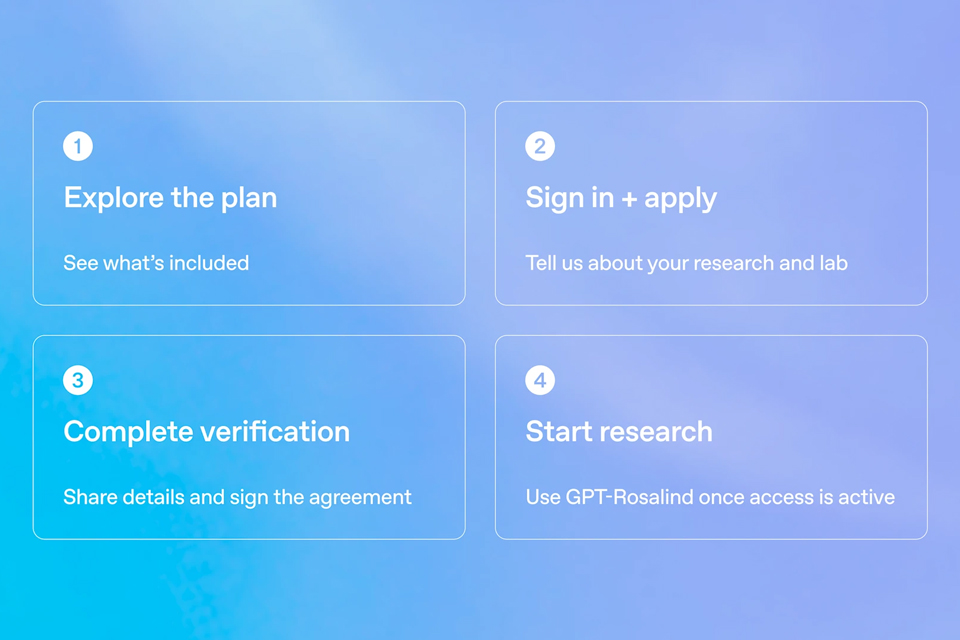
On October 15, OpenAI announced the Rosalind Academic Plan, giving approved US university labs free access to…
Neostellar Capital principal Evan Schlossman said CoreWeave's $103.7 billion in remaining performance obligati…