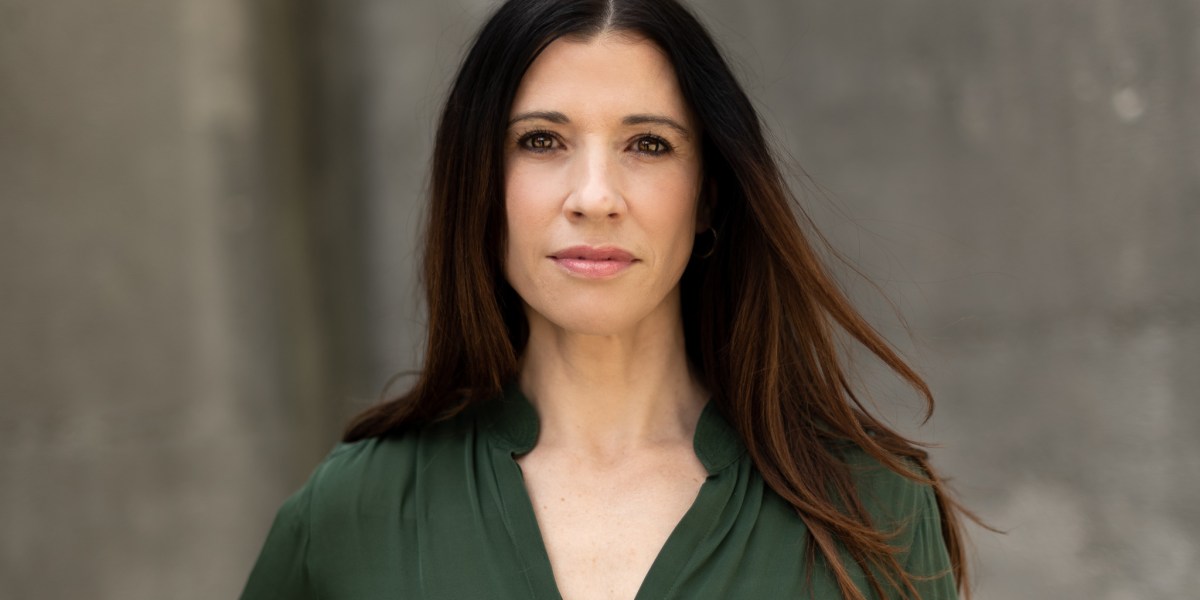
A CEO describes her daily practice of making unrecorded phone calls and reconstructing them from memory before asking AI for help, arguing that offloading listening to AI risks eroding the human skill of synthesis and pattern recognition.
She frames this as finding a middle ground between AI hype and doomism: using technology to enhance thinking rather than replace it.
What happened
A CEO has adopted a daily habit of making unrecorded phone calls and reconstructing them from memory before using AI to help summarize—forcing herself to do the cognitive work first, rather than relying on AI recording and transcription.
Why it matters
The author argues that outsourcing listening to AI risks atrophying the skill of deep synthesis—hearing patterns, connecting concepts, and noticing what is left unsaid—capabilities she credits as her greatest professional advantage over decades. She frames this as a tension between AI's efficiency and human thinking: defaulting to AI to "catch us up later" removes humans from the active conversation.
What to watch
The author positions this habit as a model for a "middle path" with AI—neither rejecting the technology nor surrendering to it, but using it in ways that strengthen rather than weaken one's own thinking.
Ask the AI about this article →
The article is framed as a personal reflection on the tension between AI efficiency and human cognitive development. The author, a CEO and mother of seven, has been thinking about the "doom-and-hype cycle" surrounding AI—the tendency for conversations to swing between the Industrial Revolution narrative (unprecedented productivity) and the job-elimination narrative (technological unemployment and displacement). She uses a novel, Yesteryear, as a metaphor for this binary thinking: the story presents two extreme narratives for women's lives, neither of which has to be true, and she argues the same applies to AI's future.
Crucially, she connects this observation to a generational shift. Her daughter's generation is not pursuing prestigious corporate internships but instead starting businesses with unglamorous ideas—optimizing for autonomy and control over their own work and lives. The author published an essay titled "Three Times the CEO I Was a Year Ago" (optimistic about AI) while her daughter published "I Don't Want AI to Think for Me" (skeptical of AI), and despite their opposing stances, they both arrived at the conclusion that there must be a middle path.
The daily phone call habit emerges as a concrete practice embodying this philosophy. Rather than accept the premise that AI will always "catch us up later," she insists on preserving her own thinking first. The article does not predict what will happen to the workforce or to industries; instead, it is a personal meditation on what gets lost when humans stop paying attention because machines are recording.
AI-summarized, only the topics you pick — one digest a day via Email, Slack, or Discord.
Free · takes 30 seconds · unsubscribe anytime
Ask AI anything about this article. Q&As are published on this page for other readers too.
Anthropic launched Claude Academy on August 20, a free learning site that explains AI fundamentals and how to…
OpenAI rolled out support on Thursday for controlling Apple's iMessage service via ChatGPT on Mac, enabling th…
As AI technology matures, the bottleneck in the industry is moving beyond semiconductor constraints like GPUs…

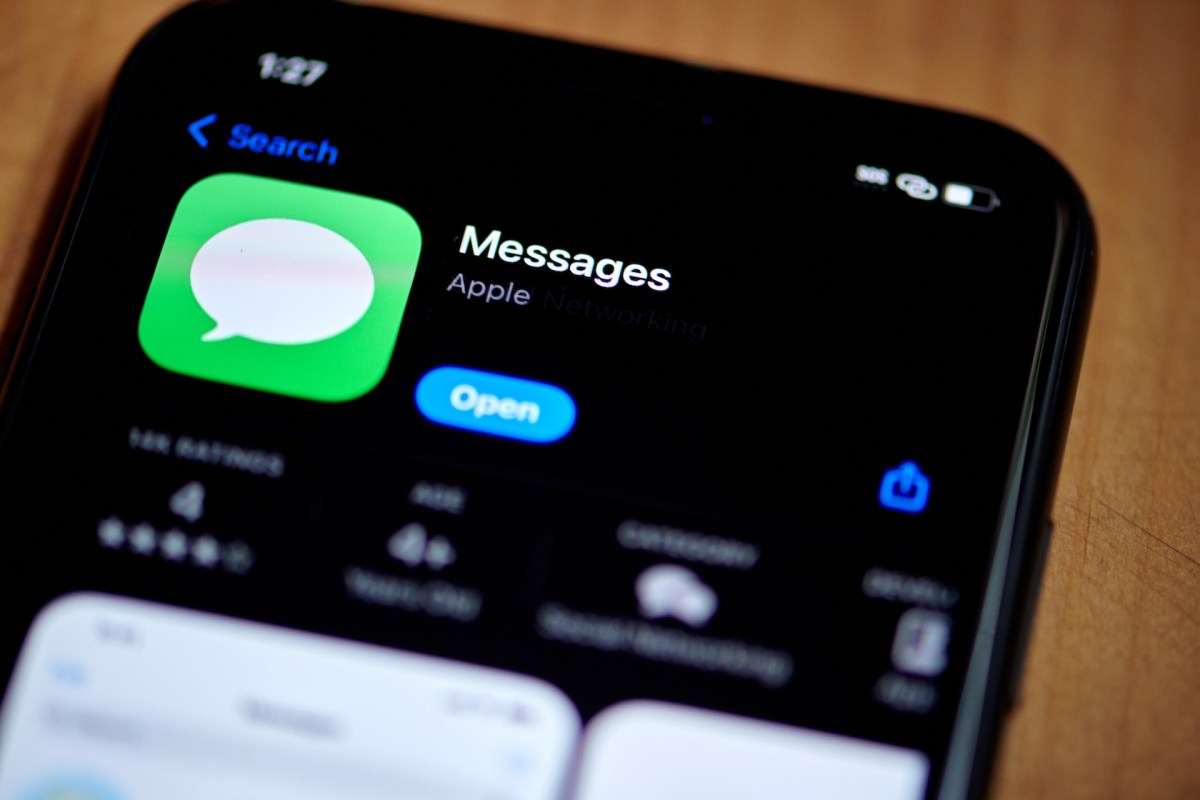
OpenAI has launched an Apple Messages plug-in for ChatGPT that lets users connect their Messages inbox to the…
Amazon Bedrock now supports OpenAI GPT-5.6 models (Sol, Terra, and Luna variants) across more than 25 AWS Regi…

Cisco is transforming its digital customer experience (DCX) strategy by embedding AI throughout customer journ…