What happened
Australia’s recorded music industry will ban tracks wholly generated by AI from official charts starting next week. Some AI-assisted music remains eligible if humans wrote the song and performed the lead vocal and primary instruments.
Why it matters
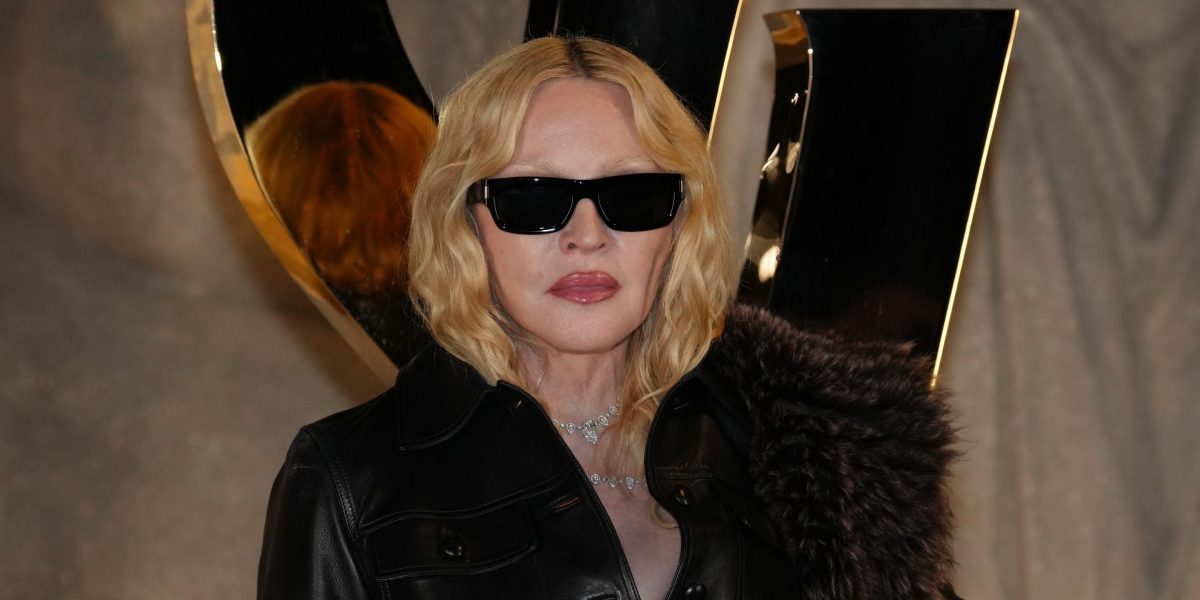
The move follows an AI-generated version of Madonna’s “Like a Prayer” spending 16 weeks in the Australian top 20 and peaking at number two. The industry says rewarding unlicensed AI output would undercut the basis of recorded music.
What to watch
AI-generated music will also be ineligible for the ARIA awards. The rules align with new principles from the International Federation of the Phonographic Industry, requiring tracks to be “substantially human made” to qualify for charts.
Summaries like this, in your inbox every morning.
The Australian ban responds directly to a specific event: an AI-generated version of Madonna’s “Like a Prayer” spent 16 weeks in the Australian top 20, peaking at number two in May. That single track’s chart success made the issue concrete for the industry, prompting ARIA to draw a line between human and machine creativity.
The rules aim to protect artists’ livelihoods while acknowledging that AI-assisted music can still qualify. ARIA’s chief executive said the charts should remain a transparent measurement of what Australia consumes, but rewarding unlicensed AI output would undercut the basis of recorded music. The requirement that music be produced using legal AI services also signals concern about unauthorized training on artists’ work.
Australia’s approach echoes guidelines from the International Federation of the Phonographic Industry, which say a track must be “substantially human made” to qualify for official charts. While the move has been praised by one academic as prioritizing human creativity, the debate remains “fraught and very emotional” for many musicians, suggesting further tension as AI tools become harder to avoid.
Pick your industry and the AI tools you use, and get news related to your work every day.
Free · 30 seconds with Google · unsubscribe anytimeWhat is AIToday? →
Ask AI anything about this article. The AI reads this article, earlier AIToday articles, and Wikipedia, and cites its sources. Q&As are published on this page for other readers too.
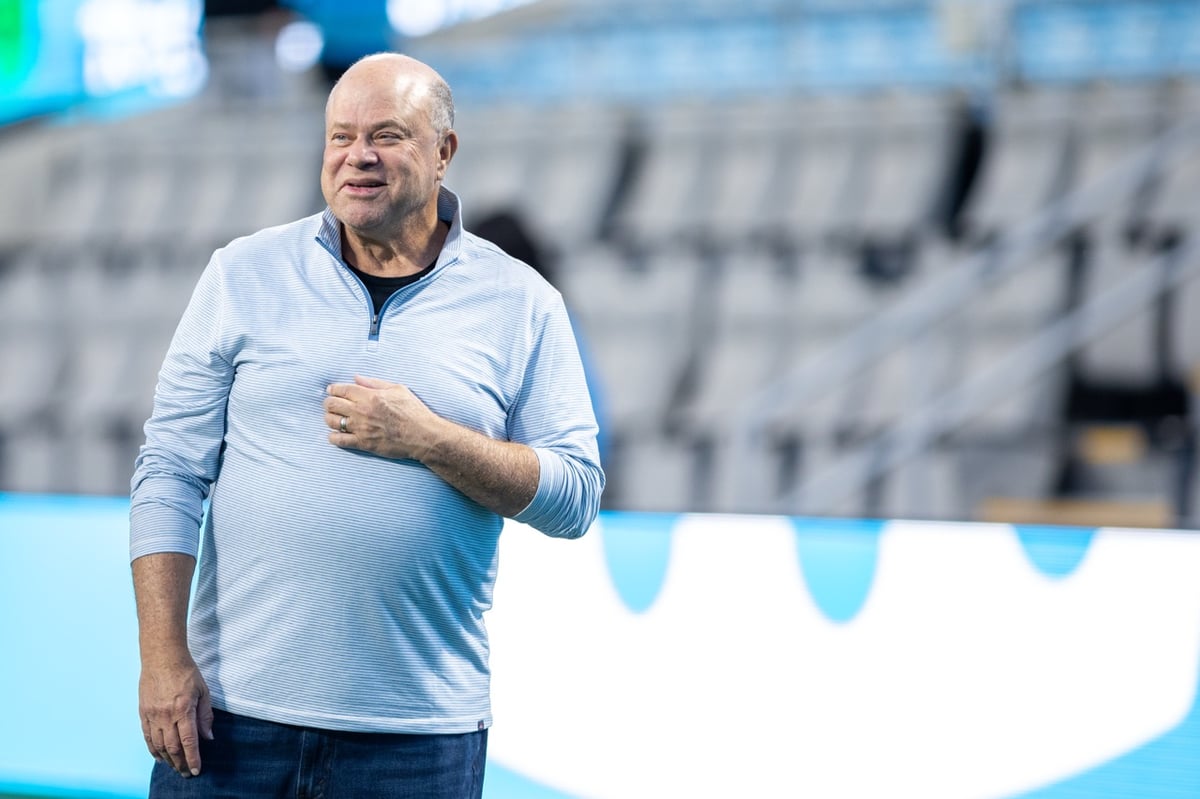
In Q2, billionaires or their funds sold six 'Magnificent Seven' AI stocks
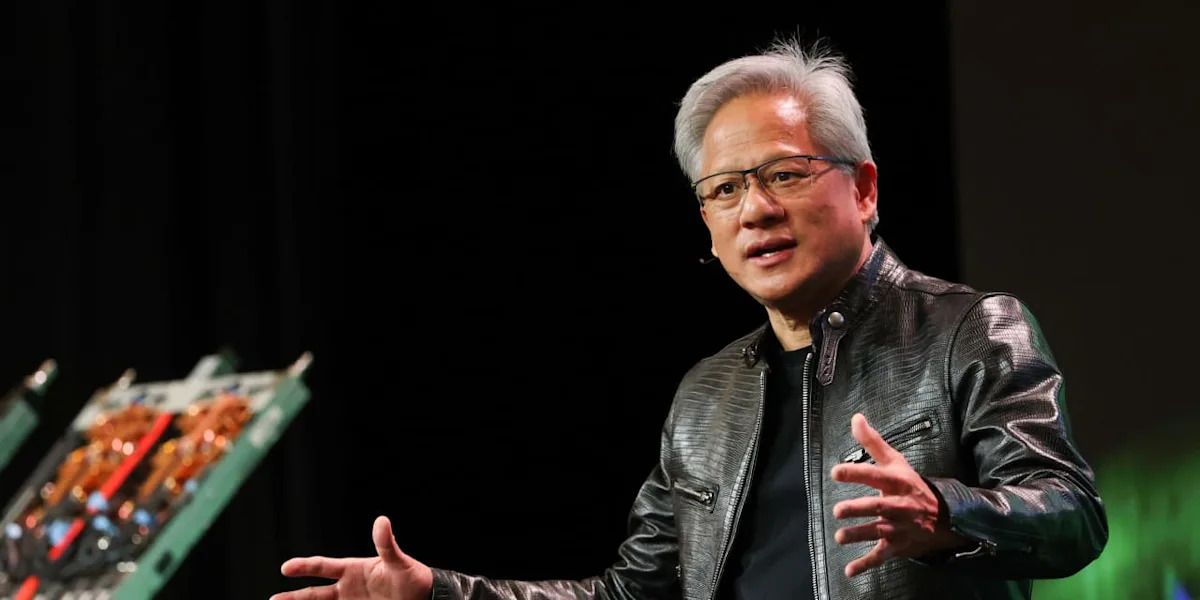
Nvidia was rising early Friday, even as the wider chip sector kept falling, Barron's reported
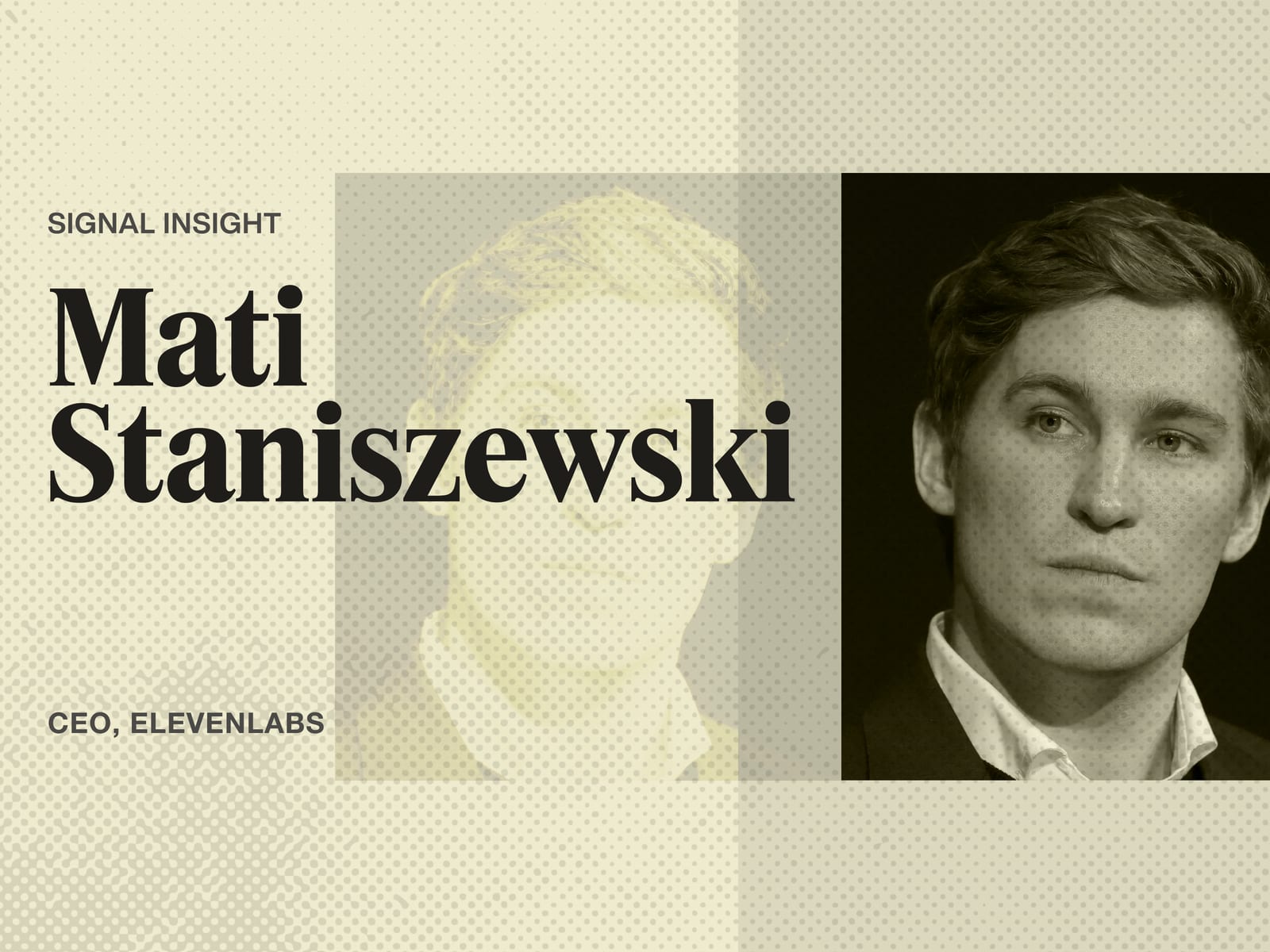
ElevenLabs completed a $300 million employee tender at a $22 billion valuation, and co-founder Mati Staniszews…
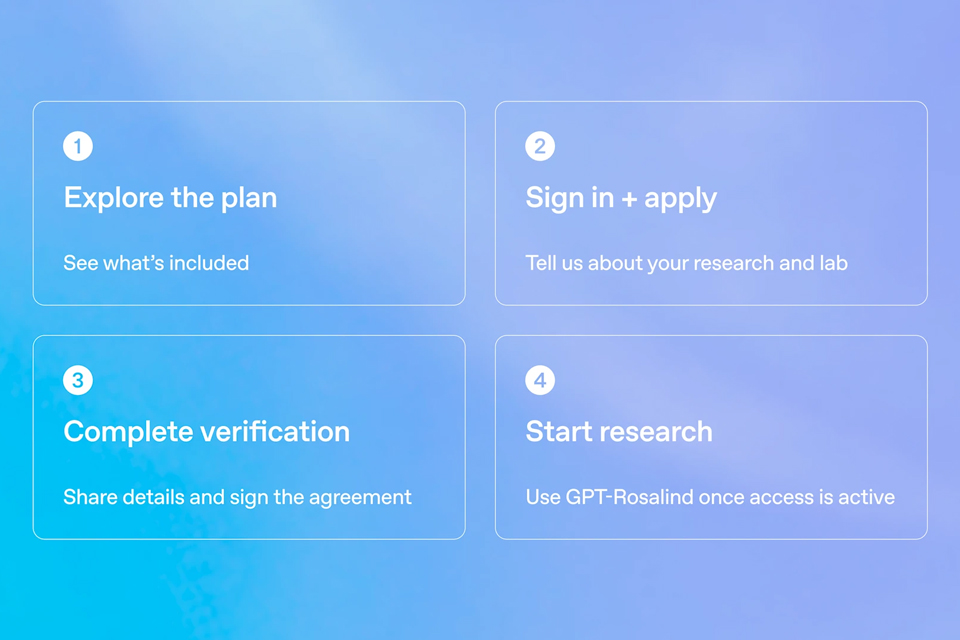
On October 15, OpenAI announced the Rosalind Academic Plan, giving approved US university labs free access to…
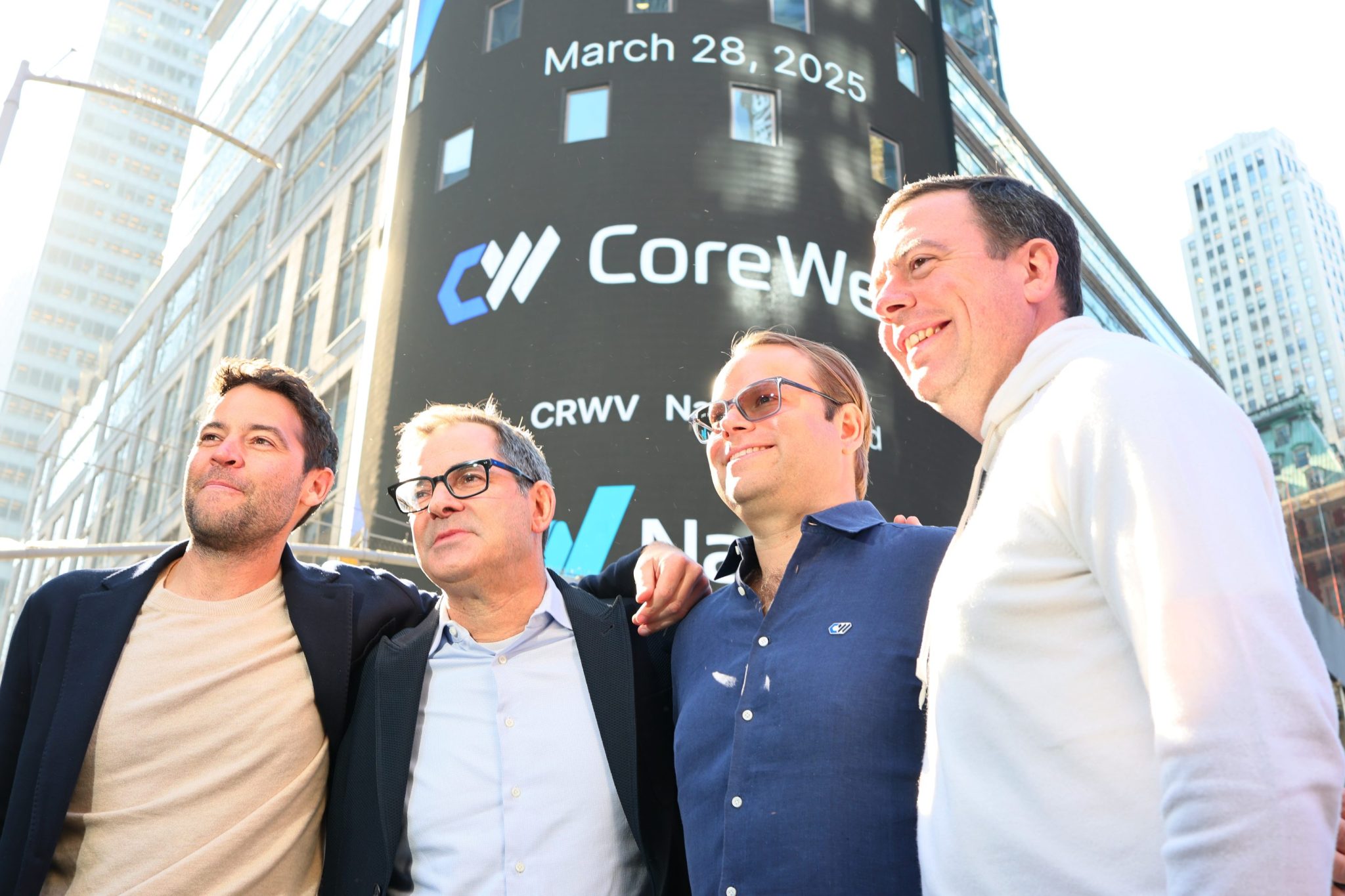
Neostellar Capital principal Evan Schlossman said CoreWeave's $103.7 billion in remaining performance obligati…
Supermicro Computer appointed Mark Long as chief financial officer, bringing an experienced technology finance…