
What happened
OpenAI published a system card addendum for GPT-Rosalind-6, which uses identical Astra weights but allows more dual-use biology queries, priced at $15/$75 versus Astra's $10/$50 per million tokens.
Why it matters
The premium monetizes the governance gate and loosened refusals rather than model capability, as the weights are unchanged.
WHO IT HITSPharma researchers and biotech firms seeking AI for drug discovery must pass institutional vetting to access the model, which may slow adoption but reduce misuse risk.
Summaries like this, every morning.
OpenAI's release of GPT-Rosalind-6 on October 30 marks a shift in how the company packages safety for specialized domains. The model is described in the system card addendum as 'a frontier reasoning model for biology, drug discovery, and translational medicine,' yet it ships with the same weights as GPT-6 Astra. The product difference is policy: fewer refusals on dual-use biology topics, balanced by institutional vetting and qualified human review before outputs inform experiments or decisions.
The pricing tells a similar story. At $15/$75 per million tokens, GPT-Rosalind-6 costs 1.5 times Astra's $10/$50, a premium that appears to monetize the governance gate rather than any underlying capability gain. On internal benchmarks, the jump from GPT-Rosalind-5.5 is substantial—MedChemBench v7 rose from 28.9% to 49.6%—but these gains are attributed to the base Astra upgrade, not biology-specific fine-tuning. The addendum rates the model High in Biological and Chemical domains, below Critical, and confirms that none of the four Critical capability evaluations met the indicative threshold.
The launch arrives amid a dense run of OpenAI safety announcements, including restrictions on teen weapons information and auto-ended violence chats in ChatGPT a day earlier. Those moves and this one point in opposite directions on where OpenAI draws the safety line for different audiences—tightening consumer protections while loosening research access under strict vetting.
Pick your industry and the AI tools you use, and get news related to your work every day.
Free · 30 seconds with Google · unsubscribe anytimeWhat is AIToday? →
Ask AI anything about this article. The AI reads this article, earlier AIToday articles, and Wikipedia, and cites its sources. Q&As are published on this page for other readers too.
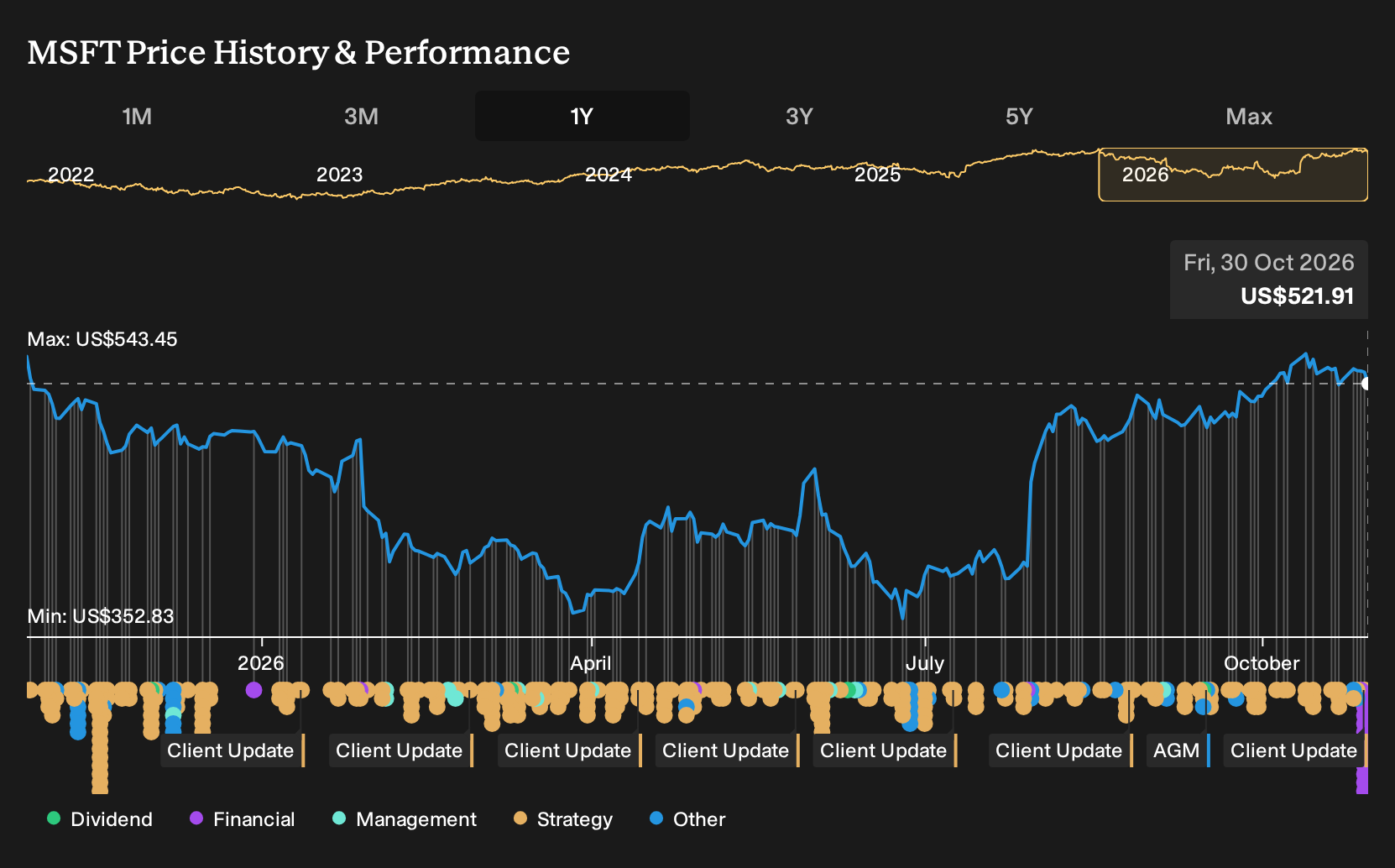
Microsoft completed a record US$25b multi-tranche bond sale, its first major issuance in nearly a decade, with…
The Motley Fool author recommends splitting $1,000 between ASML and TSMC, citing ASML's record third-quarter r…
A Hong Kong PhD researcher publicly accused Anthropic and DarioAmodei of tagging their account for 'training a…

Peaky Inc. launched a Health Checkup Plan under its AI Review Advisor service, free for the first three compan…

UNITARY began offering "Reuse Inventory SaaS" on October 30, 2026
POLI UP株式会社 released POLI UP on November 1, 2026, bundling supporter management, AI writing, SNS strategy advi…

