AIToday
Open-Source AIAI Business & IndustryTHE DECODERPublished: Aug 4, 2026, 22:00 JST4 min read

Trump White House backs off Chinese AI bans after Silicon Valley pushback

Trump White House backs off Chinese AI bans after Silicon Valley pushback

Key takeaway

  • The Trump administration considered aggressive measures including sanctions and trade bans against Chinese open-source AI companies, but reversed course after Silicon Valley tech giants objected.

  • The fight centered on whether to restrict models from companies like Moonshot AI, whose Kimi K3 matches top US models in several areas, with Nvidia and others arguing that open models drive innovation and cybersecurity, while OpenAI and Anthropic pushed for restrictions as they prepare for IPOs.

3 Key Points

  1. What happened

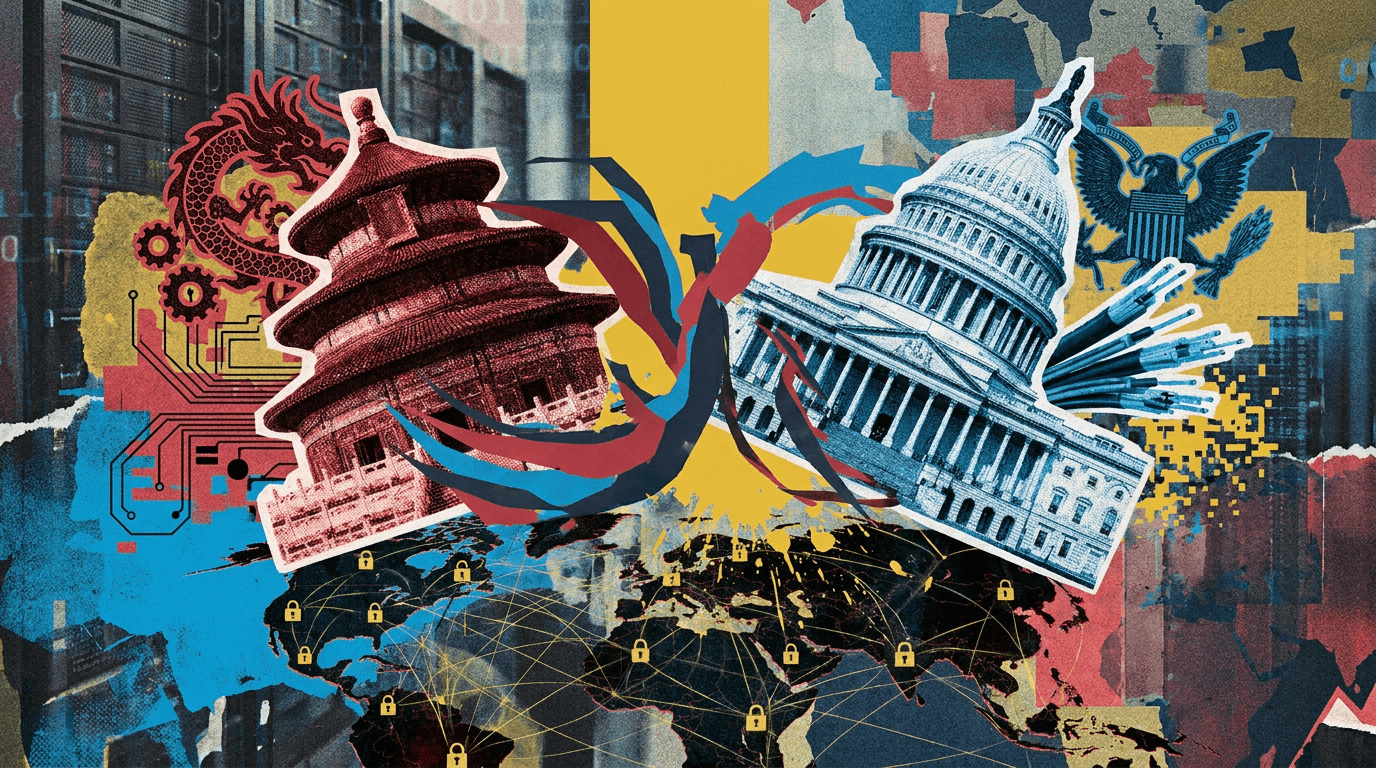
    The Trump administration considered sanctions, trade blacklists, and bans on US cloud companies doing business with Chinese open-source AI makers, according to the New York Times. After pushback from major tech companies, the White House shifted course and is now focused on making American models more competitive instead.

  2. Why it matters

    OpenAI and Anthropic, which keep their models closed, pushed for restrictions citing national security, but executives at Nvidia, Microsoft, Google, and Meta feared this could lock in the market position of companies planning IPOs. The dispute reflects a deeper business fight over AI market control dressed up as a security issue, according to a former Commerce Department official quoted in the report.

  3. What to watch

    Nvidia CEO Jensen Huang became the public face of resistance to restrictions, posting his first-ever message on X on July 24 defending open models and launching an alliance for open security tools that grew to more than 230 members. Industry officials do not expect hard measures before Xi Jinping's visit in September.

In Depth

Read the full story

In recent weeks, White House Chief of Staff Susie Wiles, Treasury Secretary Scott Bessent, and Commerce Secretary Howard Lutnick debated whether the government should intervene more aggressively in the open-source AI market. According to the New York Times, which cited more than half a dozen current and former government and industry officials, the options discussed included sanctions, a trade blacklist targeting Chinese makers of open models, and even a ban on US cloud companies doing business with those firms. Officials also considered which models federal agencies should be allowed to use and whether the Commerce Department should impose new rules. The impetus came after Chinese companies released powerful open models, particularly Kimi K3 from Moonshot AI, which matches top US models in several areas. Michael Kratsios, head of the White House Office of Science and Technology Policy, accused Moonshot on X of distilling Anthropic's model Fable, calling the theft of US technology "unacceptable." Treasury Secretary Bessent floated sanctions the same day. OpenAI and Anthropic, which keep their models closed, pushed for restrictions by citing national security concerns. However, executives at Nvidia, Microsoft, Google, and Meta grew worried that OpenAI and Anthropic, both planning IPOs, could use the White House to lock in their market position. Through private messages, phone calls, and video conferences, the tech giants built a counter-argument emphasizing that open models speed up innovation and cyber defense. Nvidia CEO Jensen Huang became the public face of that resistance, writing his first-ever post on X on July 24 to defend open models. Nvidia also launched an alliance for open security tools that grew from a handful of members to more than 230. Christopher Padilla, a former Commerce Department official, described the dispute as a "cage fight over the future of the AI industry," saying it is mostly about money and market power, with the security angle tacked on. After the outcry from Silicon Valley, the administration shifted course and is now focused on making American models more competitive. OpenAI told the New York Times that both open and closed models have a role to play, arguing that progress in Chinese open-weight models is not a case against openness but a reason for a national framework. Anthropic declined to comment. Industry officials do not expect any hard measures before Xi Jinping's visit in September.

Context & Analysis

The debate over Chinese open-source AI models reveals a fundamental split within Silicon Valley between companies with competing business models. OpenAI and Anthropic, which keep their models closed and are preparing for IPOs, cited national security concerns to advocate for government restrictions on Chinese rivals. However, the largest infrastructure and cloud companies—Nvidia, Microsoft, Google, and Meta—recognized that such restrictions could entrench closed-model companies and limit their own ability to work with and build upon open-source technology. This dynamic mirrors historical tensions in the tech industry where market leaders use regulatory arguments to protect their positions. The shift in White House policy after industry pushback suggests that the administration was persuaded by the counter-argument that open models contribute to innovation and cybersecurity, rather than hinder them. The timing of Nvidia CEO Jensen Huang's public defense of open models and the rapid growth of an open security alliance to more than 230 members indicates how quickly and forcefully the tech sector mobilized.

FAQ

What specific measures did the White House consider?
According to the New York Times, options on the table included sanctions, a trade blacklist targeting Chinese makers of open models, and a ban on US cloud companies doing business with those firms. Officials also discussed which models federal agencies should be allowed to use and whether the Commerce Department should impose new rules.
Which Chinese AI model triggered the debate?
Kimi K3 from Moonshot AI, which matches top US models in several areas, led a wave of powerful Chinese models that prompted the administration to consider intervention.
Why did major tech companies oppose the restrictions?
Nvidia, Microsoft, Google, and Meta executives grew worried that OpenAI and Anthropic, both planning IPOs, could convince the White House to restrict Chinese rivals and lock in their market position. Through private communications, these tech giants argued that open models speed up innovation and cyber defense.

Get the latest Open-Source AI news every morning

AI-summarized, only the topics you pick — one digest a day via Email, Slack, or Discord.

Free · takes 30 seconds · unsubscribe anytime

Ask AI

Ask AI anything about this article. Q&As are published on this page for other readers too.

Related Articles

Next articleOpenAI says Apple's lawsuit rests on 'comical misunderstandings'

The AI news that matters, in one minute each morning.

Sign up free