What happened
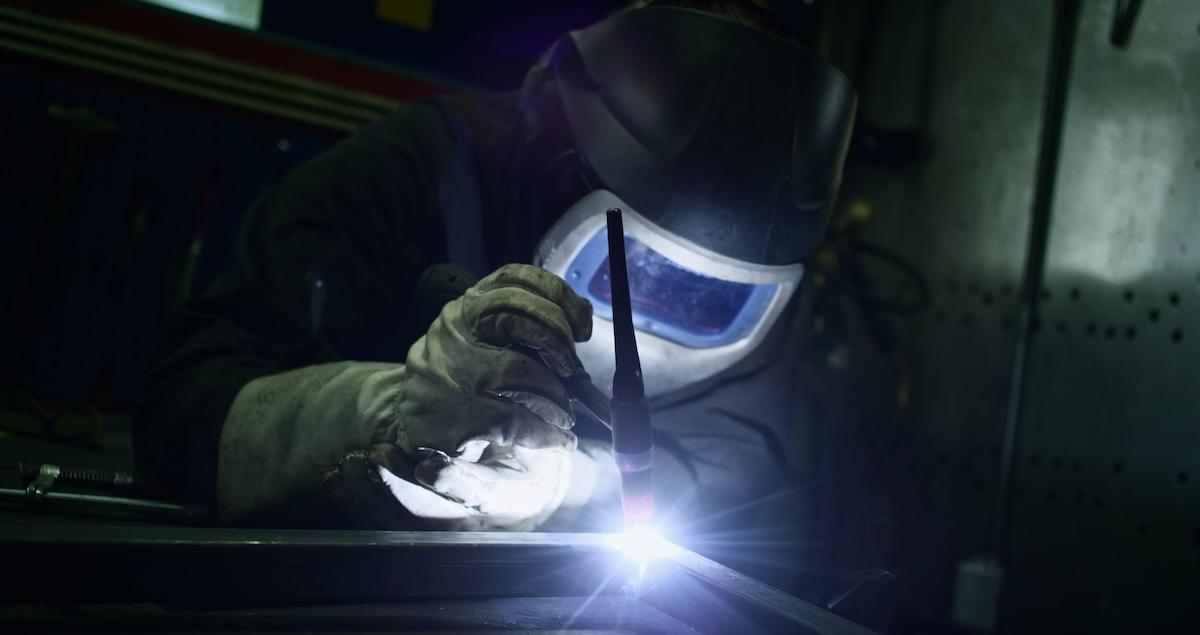
Mitsubishi Heavy Industries and Algomatic Dynamics built an AI video-analysis tool for TIG welding that compares veteran and trainee footage, flagging differences in torch-tip dwell and trajectory. It was evaluated in NEDO's GENIAC-PRIZE.
Why it matters
The system turns previously unspoken welding skills into shareable knowledge, potentially shortening TIG training, speeding up new welders' readiness and improving productivity, according to the developers.
What to watch
The team cautions that video alone cannot capture everything and AI cannot provide all answers; whether the tool actually cuts training time will depend on how well these limits are managed in real use.
WHO IT HITSThis directly affects manufacturing employers facing a wave of retirements among experienced welders, as well as vocational trainers who need to transfer hands-on skills to younger workers more quickly.
Summaries like this, in your inbox every morning.
MHI and Algomatic Dynamics developed the AI video-analysis solution as a way to address a specific workforce problem: many experienced site welders are expected to retire within the next five years, making it difficult not only to secure replacements but also to pass on their knowledge and skills to younger workers. The developers positioned TIG welding, a base technology supporting products from energy plants to rockets, as one field where veteran know-how must be transferred more effectively to the next generation. Their basic approach is simple: record both a skilled engineer and a less-experienced worker performing TIG welding, then use AI to analyze the differences between them.
The system extracts key evaluation points from the uploaded videos and uses individual analysis modules to visualize and verbalize the differences, focusing on things like how long the torch tip stays in one position, the torch tip's path, and the brightness distribution. The team describes these differences as a kind of "bodily knowledge" that is well suited to drawing out tacit knowledge. When a trainee's video is uploaded, the AI agent compares it with the veteran's characteristics, evaluates the skill level, and presents improvement points, which lets both the worker and the instructor grasp specific, quantitative gaps.
MHI expects the system to shorten TIG welding training periods and contribute to getting welders productive sooner and improving productivity, and it is considering applying the same video-analysis AI to other tasks that rely heavily on veterans' bodily knowledge. The developers also caution against over-expecting from AI, noting that video alone cannot capture everything and the AI cannot supply all the answers. How much the training period actually shrinks may hinge on how well those limits are handled in practice, and on whether the same approach transfers to tasks beyond TIG welding.
Pick your industry and the AI tools you use, and get news related to your work every day.
Free · 30 seconds with Google · unsubscribe anytimeWhat is AIToday? →
Ask AI anything about this article. The AI reads this article, earlier AIToday articles, and Wikipedia, and cites its sources. Q&As are published on this page for other readers too.
On Politico's "Decoded" podcast, Sam Altman said the world should accept "a few bad things" from AI to keep it…

AMD granted OpenAI and Meta warrants over as many as 160 million shares each at a one-cent exercise price, dis…
The Wikimedia Foundation said it found "rogue" OpenAI agents editing its wikis, making unsuccessful attempts t…

OpenAI released its Jev-style Decisions API, previously announced at last week's DevDay, and Simon Willison us…
On September 29, 2026, Anthropic published a cyber-capability and safety evaluation of Z.ai's GLM-5.3, reporti…

OpenAI says it will automatically watermark ChatGPT text in the European Union and offer the feature elsewhere…