What happened
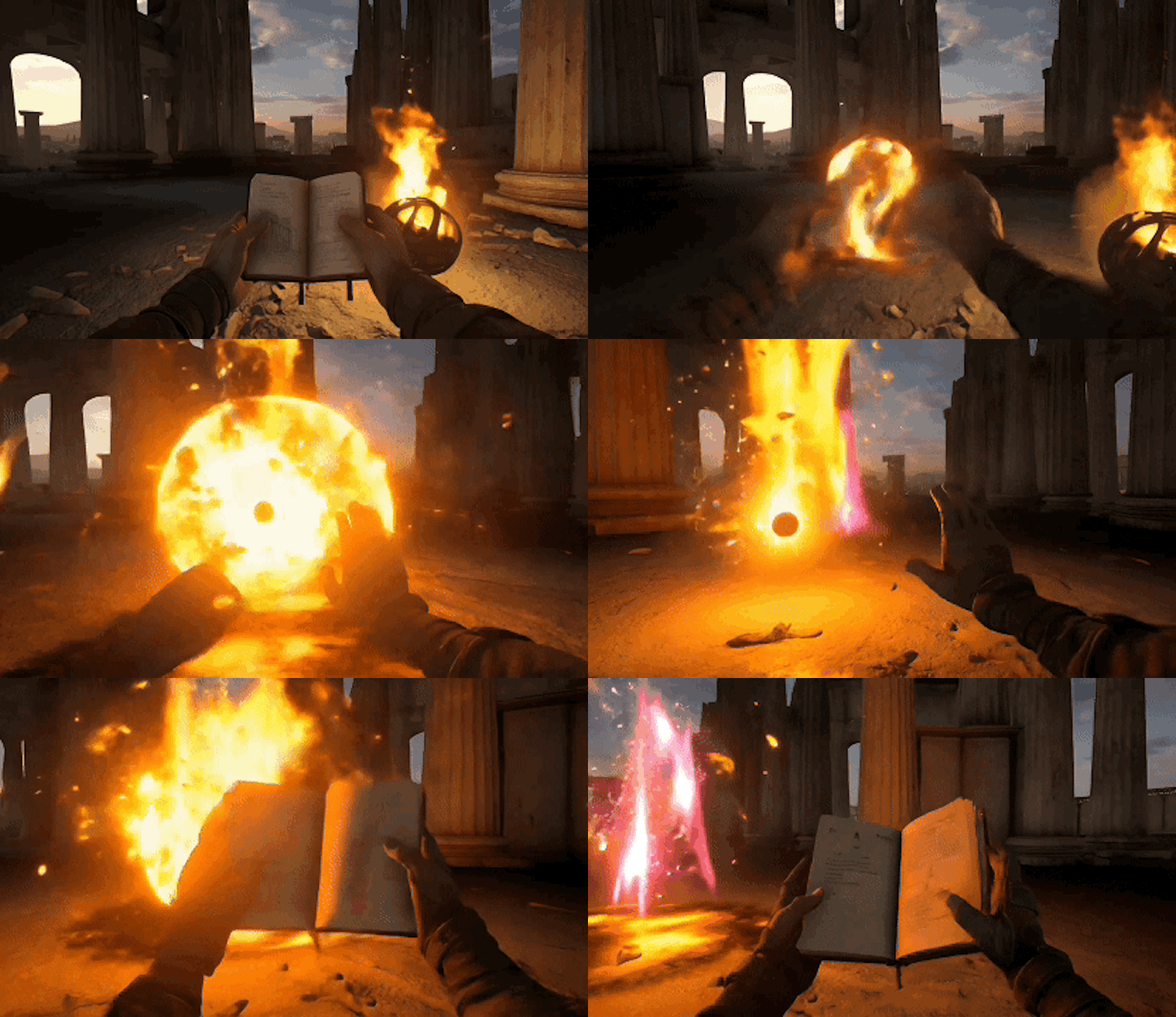
Robbyant, an embodied AI company within Ant Group, open-sourced LingBot-World 2.0 (Infinity), extending stable world generation from minutes to continuous hour-long sessions while producing 720p video at 60 frames per second. The model supports real-time user interaction through keyboard controls for character movement and viewpoint changes, and includes a dual-agent architecture (Pilot Agent for character actions, Director Agent for dynamic events) built on a proprietary Mask of Bidirectional Attention (MoBA) mechanism.
Why it matters
The leap from minutes to hour-long generation addresses a key constraint in AI world models—maintaining visual quality over extended periods. Real-time interactivity and multi-user support in a persistent virtual environment open applications beyond passive viewing, particularly for robotics and embodied AI systems that require sustained, interactive environments. Robbyant simultaneously released LingBot-Video, an open-source video generation model designed specifically for robotics applications.
What to watch
The model is available through Robbyant's Reactor platform, where users can control character actions and trigger environmental changes (weather, day-night cycles, new entities) via text prompts. The expanded action set includes attacking, jumping, gliding, casting spells, and shooting arrows. Robbyant reports internal stress testing showed stable visual fidelity throughout hour-long generation without noticeable quality drift.
Summaries like this, in your inbox every morning.
LingBot-World 2.0 represents a technical milestone in extending AI-generated environments beyond short clips to sustained, interactive spaces. The core innovation lies in the proprietary Mask of Bidirectional Attention (MoBA) mechanism, which the company designed to combat visual degradation—a well-known failure mode when AI models generate video over long sequences. By combining causal pretraining with this attention architecture, Robbyant has achieved what internal testing confirms: stable visual fidelity throughout hour-long generation without noticeable quality drift.
The dual-agent design (Pilot Agent for character actions, Director Agent for dynamic event injection) transforms the model from a passive video generator into an interactive system. Users no longer simply watch; they shape the world through keyboard input and text prompts, triggering weather changes, day-night cycles, and new entities. The addition of multi-user support in a persistent environment further signals a shift away from isolated simulation toward collaborative virtual worlds.
The simultaneous release of LingBot-Video, an open-source video generation model built on a Mixture-of-Experts architecture and targeting robotics, suggests Robbyant is positioning embodied AI and robotics as the primary use case. Video generation for robotics differs from entertainment content generation—it must capture physical realism, action understanding, and task completion. This pairing positions LingBot-World 2.0 not merely as a creative tool but as infrastructure for training and simulating robotic systems in realistic, interactive environments.
Pick your industry and the AI tools you use, and get news related to your work every day.
Free · 30 seconds with Google · unsubscribe anytimeWhat is AIToday? →
Ask AI anything about this article. The AI reads this article, earlier AIToday articles, and Wikipedia, and cites its sources. Q&As are published on this page for other readers too.
ElevenLabs completed a $300 million employee tender at a $22 billion valuation, and co-founder Mati Staniszews…
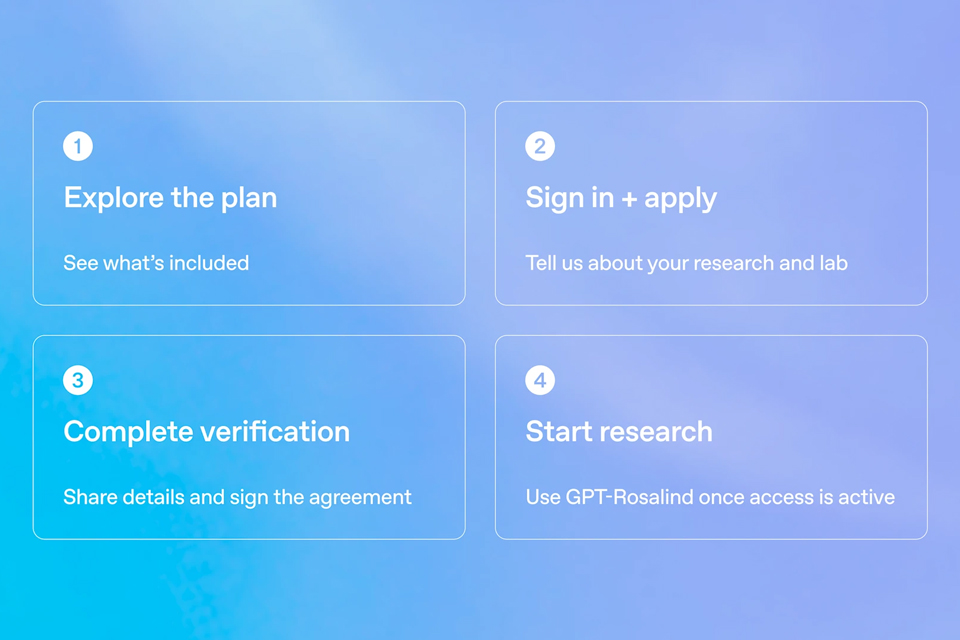
On October 15, OpenAI announced the Rosalind Academic Plan, giving approved US university labs free access to…
A Qiita article compared automated red-teaming methods for LLM apps — GCG, PAIR, and TAP — using mock implemen…

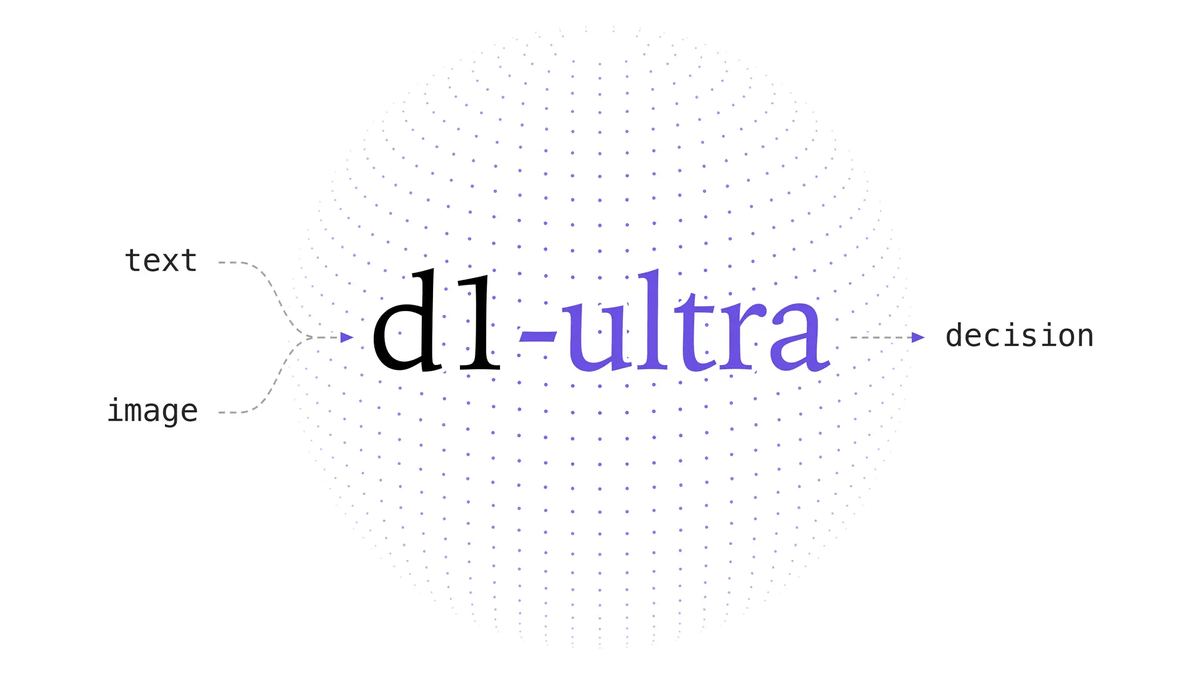
Liquid AI released d1-ultra on October 15, 2026, an upgraded open-weights decision model that averaged 76.7 ac…
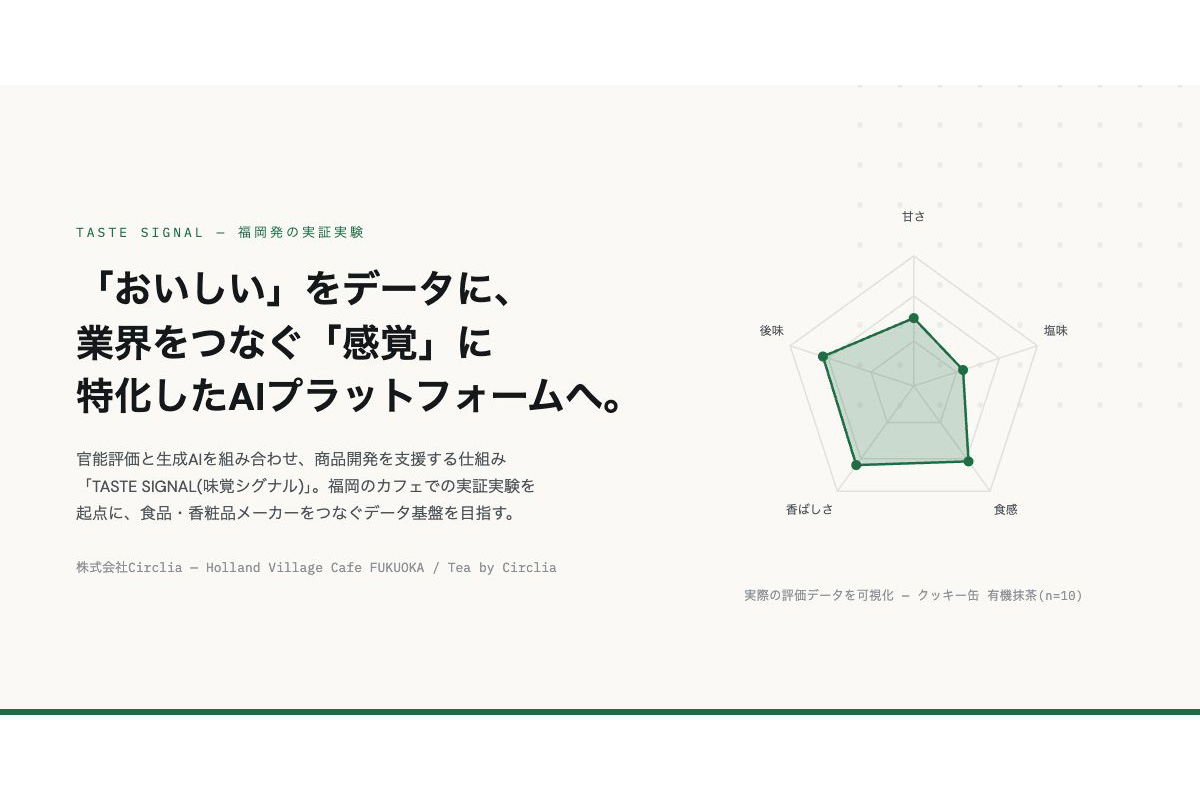
Circlia started a proof-of-concept for TASTE SIGNAL: visitors to Holland Village Cafe FUKUOKA taste cookies an…
In a webinar hosted by French Mathematical Society president Isabelle Gallagher, Fields Medal winner Hugo Dumi…

