What happened
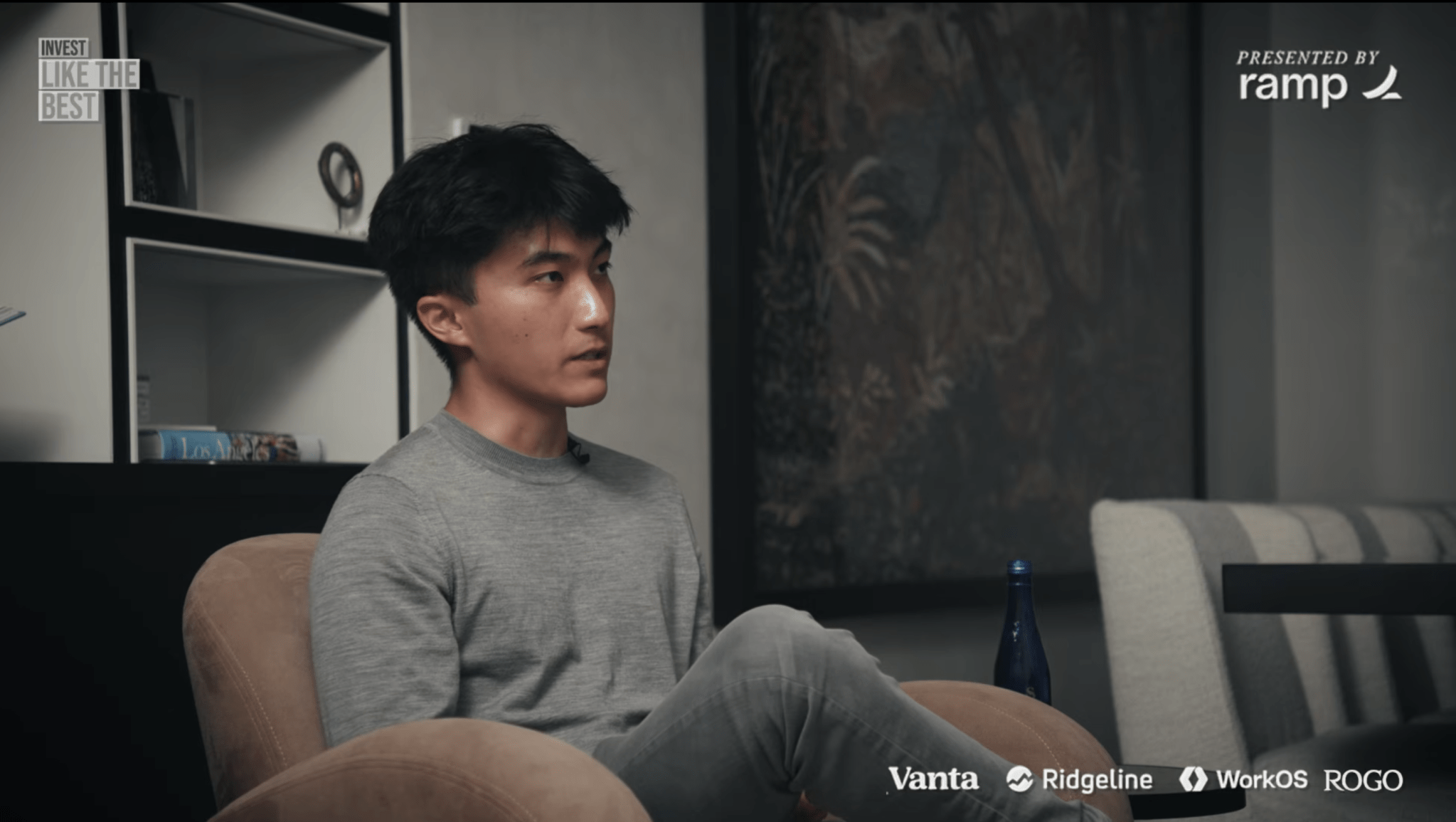
Instinct, founded last year by 23-year-old Noah Shinn, raised $1 billion in a Series C, lifting its valuation to $10 billion. It had raised $250 million at a $2.5 billion valuation in August.
Why it matters
A startup founded last year now carries a $10 billion valuation on the strength of an invite-only product, suggesting investors see personal AI assistants as a major opportunity. That is a notable bet for a company with no broad consumer release.
What to watch
The valuation hinges on whether Instinct can convert its invite-only waitlist into broad availability, which Shinn said is tied to bringing up more compute. Watch how Muse's early traction, including its rise to the top free app on the U.S. App Store, shapes that race.
WHO IT HITSThis affects founders and investors tracking consumer AI agents, as well as early Instinct users who are already selling invitations on eBay. Established AI labs and their backers may face pressure to respond to a fast-moving, invite-only challenger.
Summaries like this, in your inbox every morning.
Noah Shinn's path to Instinct runs through AI research rather than a conventional corporate ladder. As an undergraduate at Northeastern University, he authored the Reflexion paper with then-MIT professor Ashwin Gopinath, work that showed a large language model could reach 91% accuracy on a coding evaluation, compared to 80% with GPT-4, by checking its own responses. That paper was cited hundreds of times, including by Google DeepMind, and was presented at NeurIPS in 2023. He then left university to join Sierra, the enterprise AI platform cofounded by OpenAI chairman Bret Taylor, as one of its first employees.
Instinct's rise has not gone unnoticed by larger rivals. Meta's chief AI officer, Alexandr Wang, has repeatedly poked fun at the startup on X since Meta announced its own personal AI agent, Muse, earlier this month, joking that Muse would win an MMA match and mocking Instinct's name. Those posts collectively drew hundreds of thousands of views and more than 1,000 likes, which may have given Instinct a marketing boost it did not pay for. Shinn has said he spends very little time thinking about competition, describing Muse as a great product.
Instinct is keeping itself invite-only for now while it works on bringing up more compute, and Shinn has framed the moment as one of outsized growth potential because many people are not yet using AI to its fullest. Whether the $10 billion valuation holds may depend less on the rivalry banter than on how quickly Instinct can widen access without diluting the word-of-mouth appeal that got it there.
Pick your industry and the AI tools you use, and get news related to your work every day.
Free · 30 seconds with Google · unsubscribe anytimeWhat is AIToday? →
Ask AI anything about this article. The AI reads this article, earlier AIToday articles, and Wikipedia, and cites its sources. Q&As are published on this page for other readers too.
Stratechery published a piece after OpenAI's Dev Day, saying the showcased product is, frankly, pretty confusi…
Kelly Intelligence's Kevin Kelly and Visible Alpha's Melissa Otto laid out the next phase of the AI supercycle…
President Trump and the CEOs of the most powerful AI companies—including Elon Musk, Mark Zuckerberg, Dario Amo…
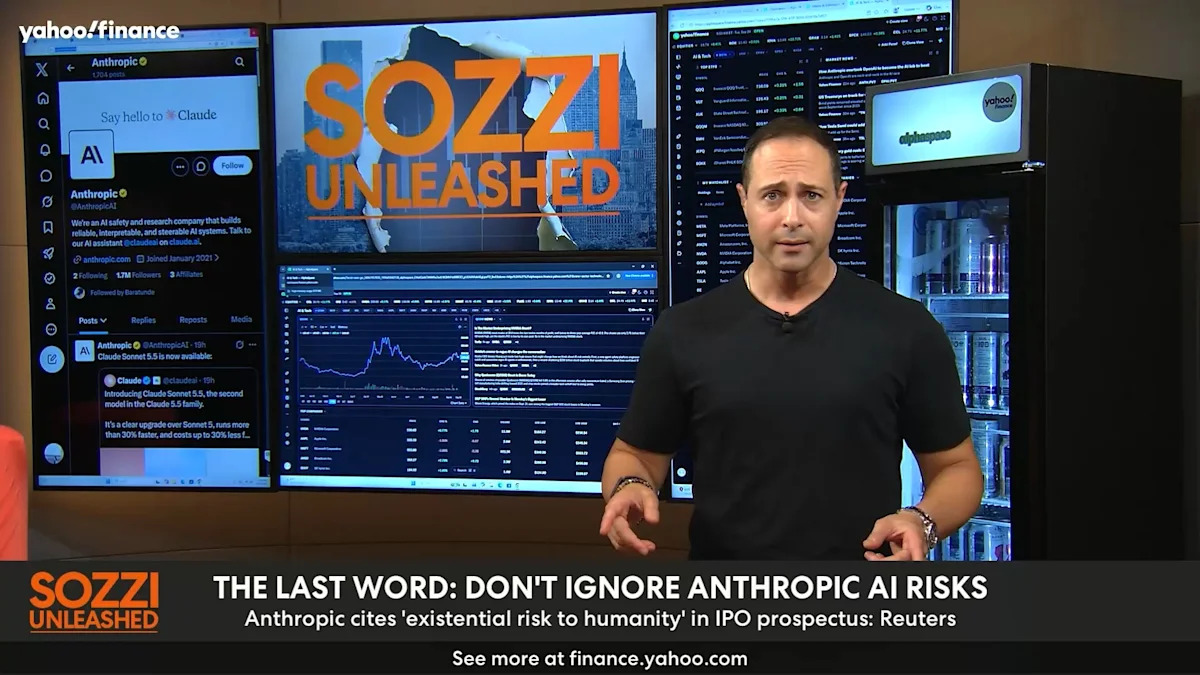
Anthropic has pushed state-level AI regulation and donated millions for public support, while super PAC Leadin…
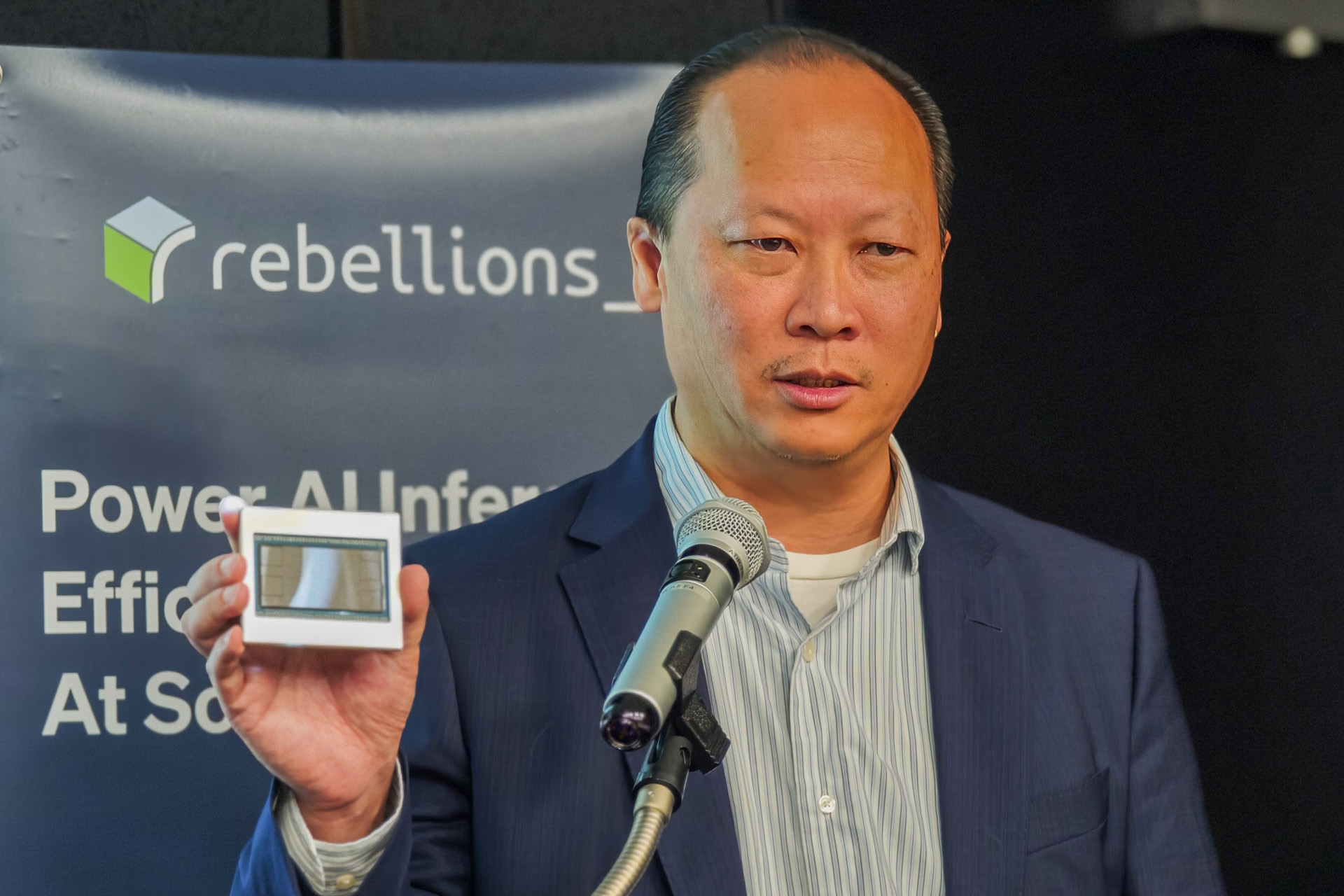
Rebellions said ai& will install over 100 RebelRack units, each holding 32 Rebel100 NPUs and delivering 64PFLO…
Electronic Library and NTT Docomo Business co-developed "ELNET AI" and will launch the full version on October…