What happened
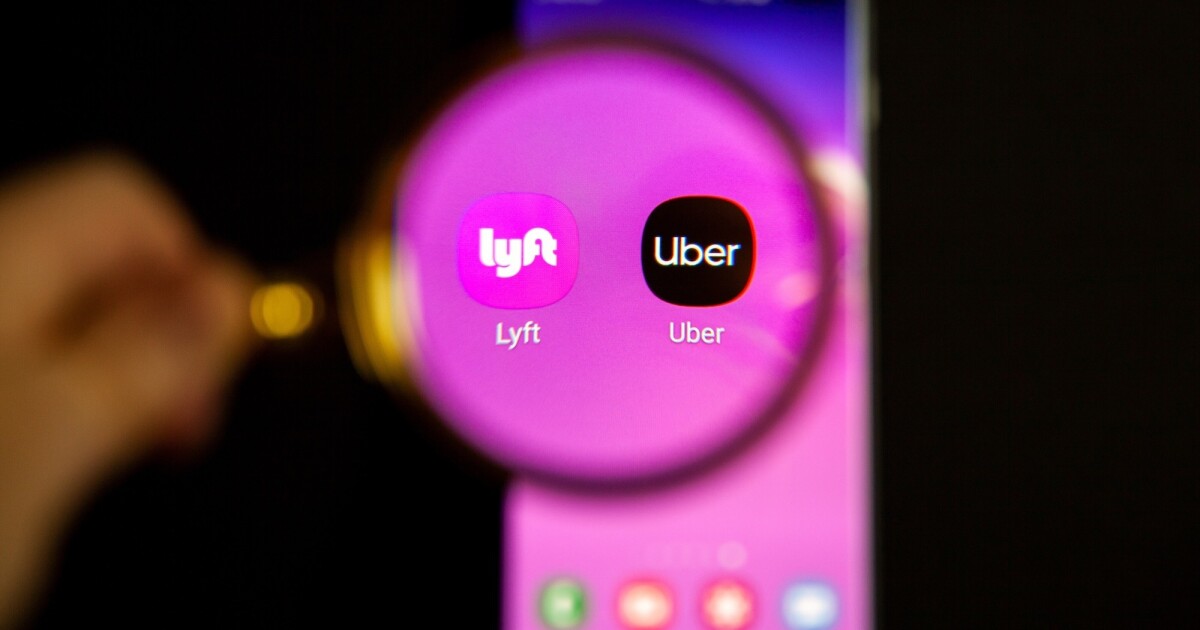
Consumer Reports investigation found Uber and Lyft algorithms charge customers significantly different prices for identical rides from the same location to the same destination at the same time, with fares differing by an average of 50%. The companies use similar algorithms to offer drivers different pay for the same ride, with drivers' share of total fares dropping as low as 45%.
Why it matters
Rideshare companies are not required to disclose what factors determine pricing, and the algorithms may use personal data like phone battery level or distance from home to calculate maximum prices consumers will pay. Rachel Dempsey, associate director of Colorado advocacy group Towards Justice, warns this makes consumers vulnerable to excess charges. Derek Kravitz, deputy editor of special projects for Consumer Reports, notes drivers are making less while passenger fares and company profits rise.
What to watch
Federal agencies could enforce existing truth-in-advertising laws if companies inflate pricing discounts, and cities and municipalities in Colorado and elsewhere can enact policies to protect workers and consumers, according to Dempsey.
Summaries like this, in your inbox every morning.
The investigation by Consumer Reports exposes a practice that sits at the intersection of consumer protection and worker exploitation in the gig economy. While Uber and Lyft defend their algorithms as responding to real-time market conditions, the report suggests the companies are using sophisticated pricing technology to charge each customer and driver what they calculate that person will accept—a form of algorithmic price discrimination. Rachel Dempsey's observation that rideshare companies may use personal data like phone battery level or distance from home reveals how opaque these systems are to users; transparency is entirely absent, leaving consumers unaware they may be overpaying while drivers see their earnings compressed. The 50% variance in fares for identical rides and the finding that drivers' take has fallen to 45% of passenger fares point to a widening gap between the growth of rider prices and driver earnings, with company profits capturing the difference. The framing by Derek Kravitz—that drivers are "making less and not necessarily keeping up with the rate of inflation, or how much the passenger fares are going up"—underscores that both sides of the transaction are being squeezed. Colorado advocates argue that existing regulatory tools at the federal, state, and local levels are available to address these practices, including truth-in-advertising enforcement and worker and consumer protection policies.
Pick your industry and the AI tools you use, and get news related to your work every day.
Free · 30 seconds with Google · unsubscribe anytimeWhat is AIToday? →
Ask AI anything about this article. The AI reads this article, earlier AIToday articles, and Wikipedia, and cites its sources. Q&As are published on this page for other readers too.
Chunghwa Telecom president Rong-shy Lin said the shift from conversational AI to autonomous AI agents is resha…

CoreWeave fell 5% in premarket trading Friday and was on track to finish the week down 15%, after rebounding f…
Apple and Meta said they would jointly release a new open-weight AI model designed to run on high-end Macs, ai…

Investors put $38.5 billion into Asian startups in Q3, per Crunchbase data

A longtime Anthropic investor told Fortune he expects shares priced around $1.8 trillion, below the company's…
In Q2, billionaires or their funds sold six 'Magnificent Seven' AI stocks