
Texas Instruments posted Q2 revenue of $5.463 billion, up 22.8%.
Free cash flow surged to $6.53 billion on lower capital spending and CHIPS Act aid.
The company raised its quarterly dividend to $1.42 per share for the sixth straight year, signaling stable cash generation amid chip-market cycles.
What happened
Texas Instruments reported Q2 revenue of $5.463 billion, up 22.8%, with analog chip sales strong and data center revenue doubling. Free cash flow jumped to $6.53 billion, aided by lower capital spending and CHIPS Act incentives. The company raised its quarterly dividend to $1.42 per share, continuing six consecutive years of increases.
Why it matters
The company's free cash flow growth and sustained dividend hikes position it as a steady income generator despite industry cycles. The CEO cited long-term free cash flow growth as the core value driver, making TI a preferred alternative to higher-volatility peers like NVIDIA for investors seeking both AI-related exposure and reliable returns.
What to watch
TI is ending a heavy capital expenditure cycle, with free cash flow increasing 56% — a shift that may sustain dividend growth and capital returns going forward. The strength in data center demand signals continued AI-driven tailwinds for the company's analog and infrastructure products.
Ask the AI about this article →
Texas Instruments' Q2 results reflect a broad recovery in semiconductor demand, particularly in data center and analog products tied to AI infrastructure buildout. The doubling of data center revenue underscores strength in the AI cycle, while the company's emphasis on free cash flow—rather than top-line growth alone—signals confidence in sustainable profitability as capital intensity normalizes. The CHIPS Act incentives mentioned in the body are providing material tailwinds during a period when the company is deliberately pulling back on capital spending, allowing cash generation to accelerate. This shift from capital-heavy investment to cash generation is the operational transition the body highlights as critical to future returns.
For example, today's edition would include:
AI-summarized, only the topics you pick — one digest a day via Email, Slack, or Discord.
Free · takes 30 seconds · unsubscribe anytimeWhat is AIToday? →
Ask AI anything about this article. Q&As are published on this page for other readers too.
Israeli startup DataAgent Ltd
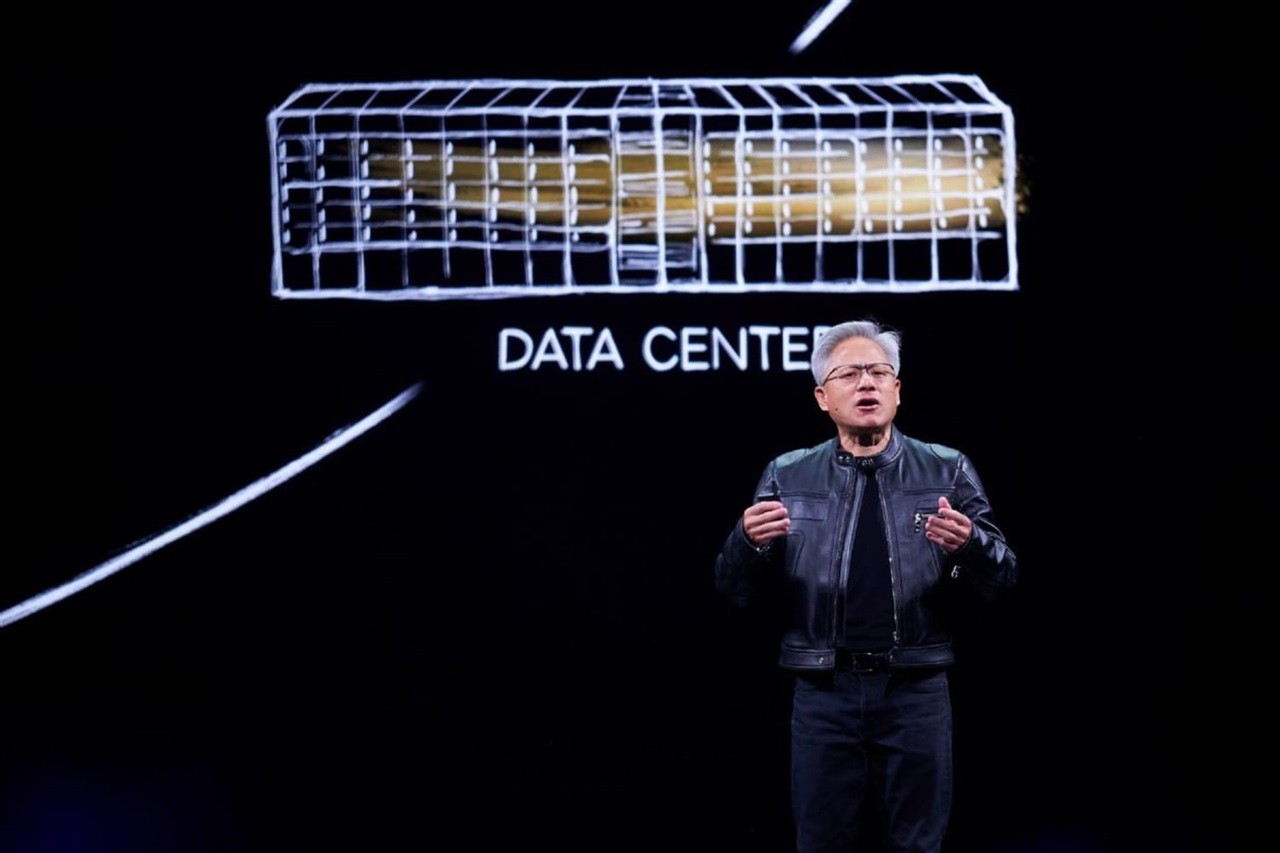
Taoyuan is positioning itself as a northern hub for AI data centers (AIDC), citing the Tatan area and an LNG c…
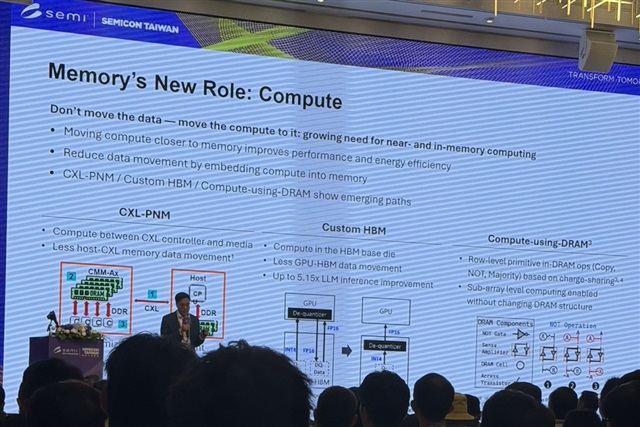
SK Hynix presented a custom HBM concept at SEMICON Taiwan 2026, where compute functions are placed in the base…
The U.S. Department of Defense announced on August 31 that it has deployed ChatGPT Mil, a customized version o…

Nvidia reported earnings that were both remarkable and boring, reflecting its focus on avoiding a consolidated…

Anthropic has agreed to a $35bn cloud-computing contract with Lambda, a Nvidia-backed cloud provider