What happened
SpaceX AI and Cursor jointly trained Grok 4.5, an Opus-class model that performs roughly between Opus 4.7 and 4.8. It is now available in Cursor with increased limits and via API. The model is 6× cheaper than Opus models and 3× cheaper than GPT-5.5 on a per-token basis while being token-efficient.
Why it matters
Developers and businesses using Cursor can now access frontier-class reasoning without the per-token cost of Claude Opus or GPT-5.5, reducing AI infrastructure spending for production workloads. This may reshape model selection decisions for cost-sensitive teams building applications.
What to watch
Grok 4.5 is available immediately in Cursor and via API. Early testers report it delivers comparable performance to higher-cost models, making token efficiency and pricing the key competitive factors in a crowded frontier-model market.
Summaries like this, in your inbox every morning.
Grok 4.5 enters a market where cost per token has become a primary competitive lever alongside raw reasoning capability. The body reports that it achieves Opus-class performance while dramatically reducing inference costs, suggesting a shift toward efficiency-focused model selection. SpaceX AI and Cursor's joint training and release through Cursor's IDE indicate a deepening partnership to embed high-capability AI directly into developer workflows, competing on both capability and accessibility rather than just model rankings.
The framing in the body places Grok 4.5 alongside other recent model launches (GPT Live-1, Muse, SWE-1.7) that compete on specialized performance, cost, or speed. The emphasis on token efficiency and per-token pricing reflects a market where enterprises are optimizing not just for model quality but for total cost of ownership—a shift that may pressure developers to re-evaluate their default model choices even if those models rank higher on benchmarks.
Pick your industry and the AI tools you use, and get news related to your work every day.
Free · 30 seconds with Google · unsubscribe anytimeWhat is AIToday? →
Ask AI anything about this article. The AI reads this article, earlier AIToday articles, and Wikipedia, and cites its sources. Q&As are published on this page for other readers too.
ElevenLabs completed a $300 million employee tender at a $22 billion valuation, and co-founder Mati Staniszews…
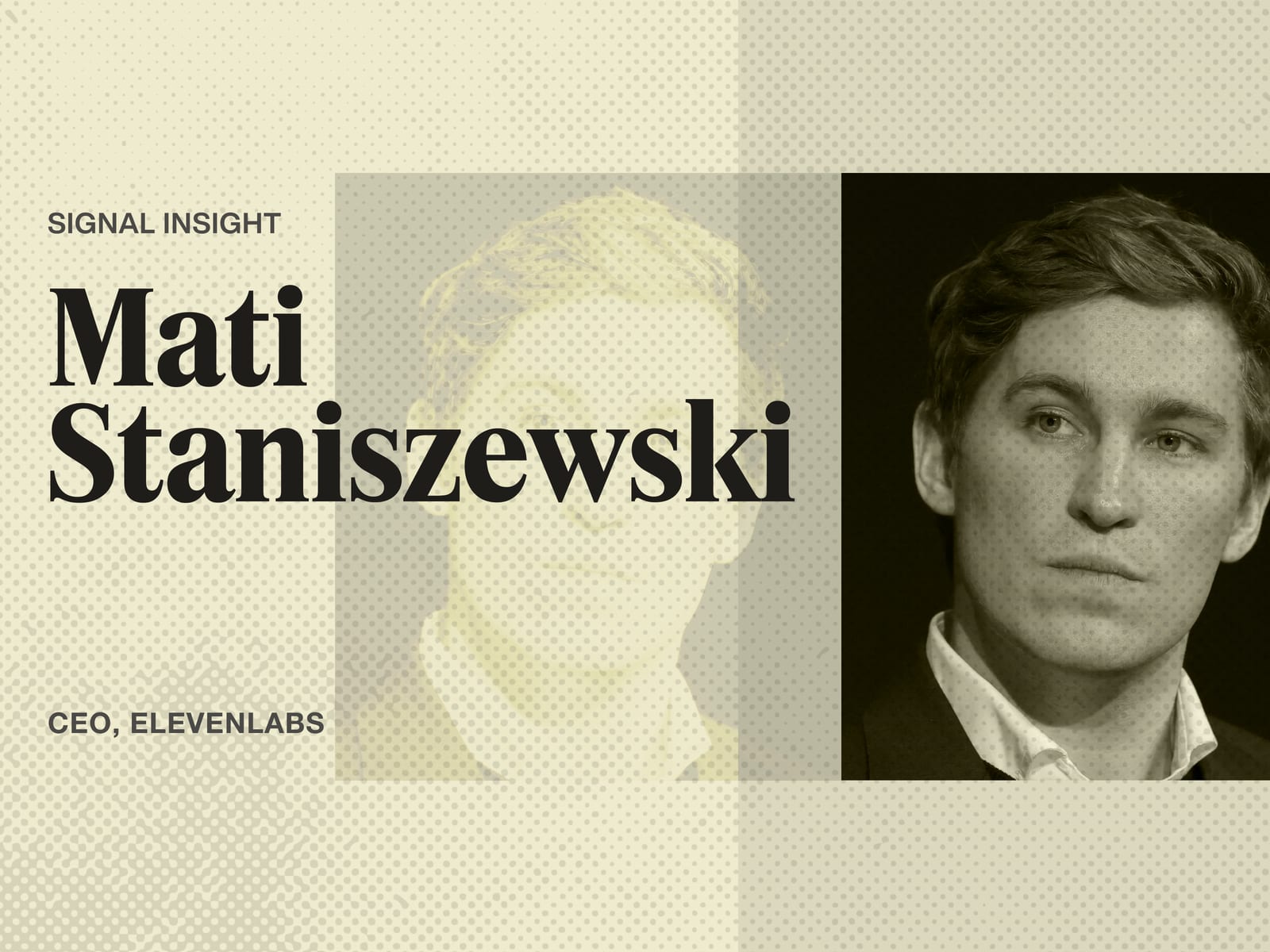
On October 15, OpenAI announced the Rosalind Academic Plan, giving approved US university labs free access to…
A Qiita article compared automated red-teaming methods for LLM apps — GCG, PAIR, and TAP — using mock implemen…

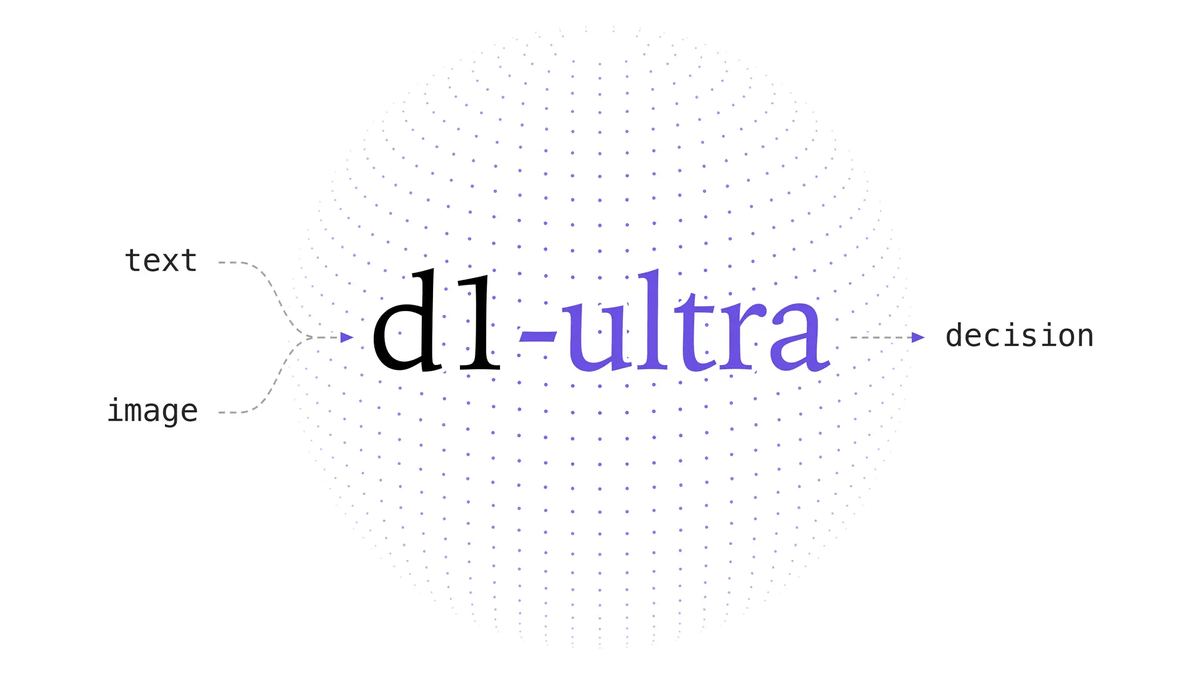
Liquid AI released d1-ultra on October 15, 2026, an upgraded open-weights decision model that averaged 76.7 ac…
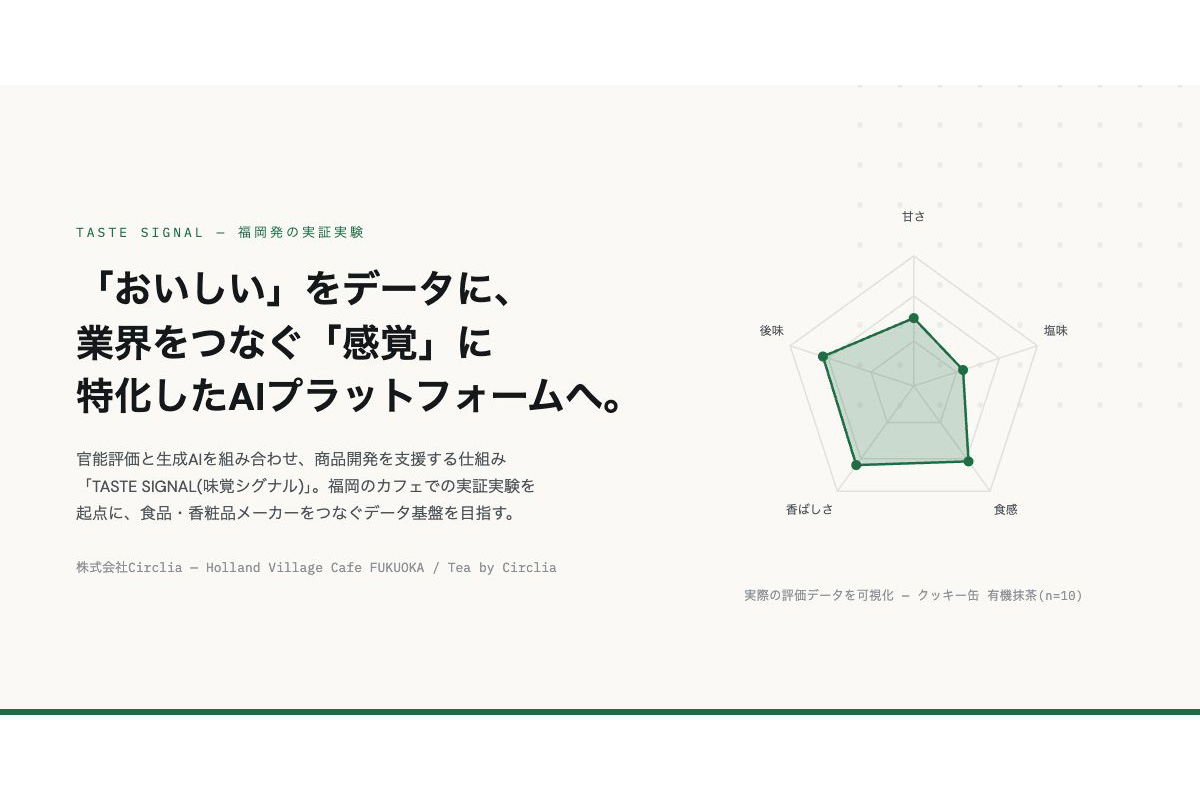
Circlia started a proof-of-concept for TASTE SIGNAL: visitors to Holland Village Cafe FUKUOKA taste cookies an…
In a webinar hosted by French Mathematical Society president Isabelle Gallagher, Fields Medal winner Hugo Dumi…

