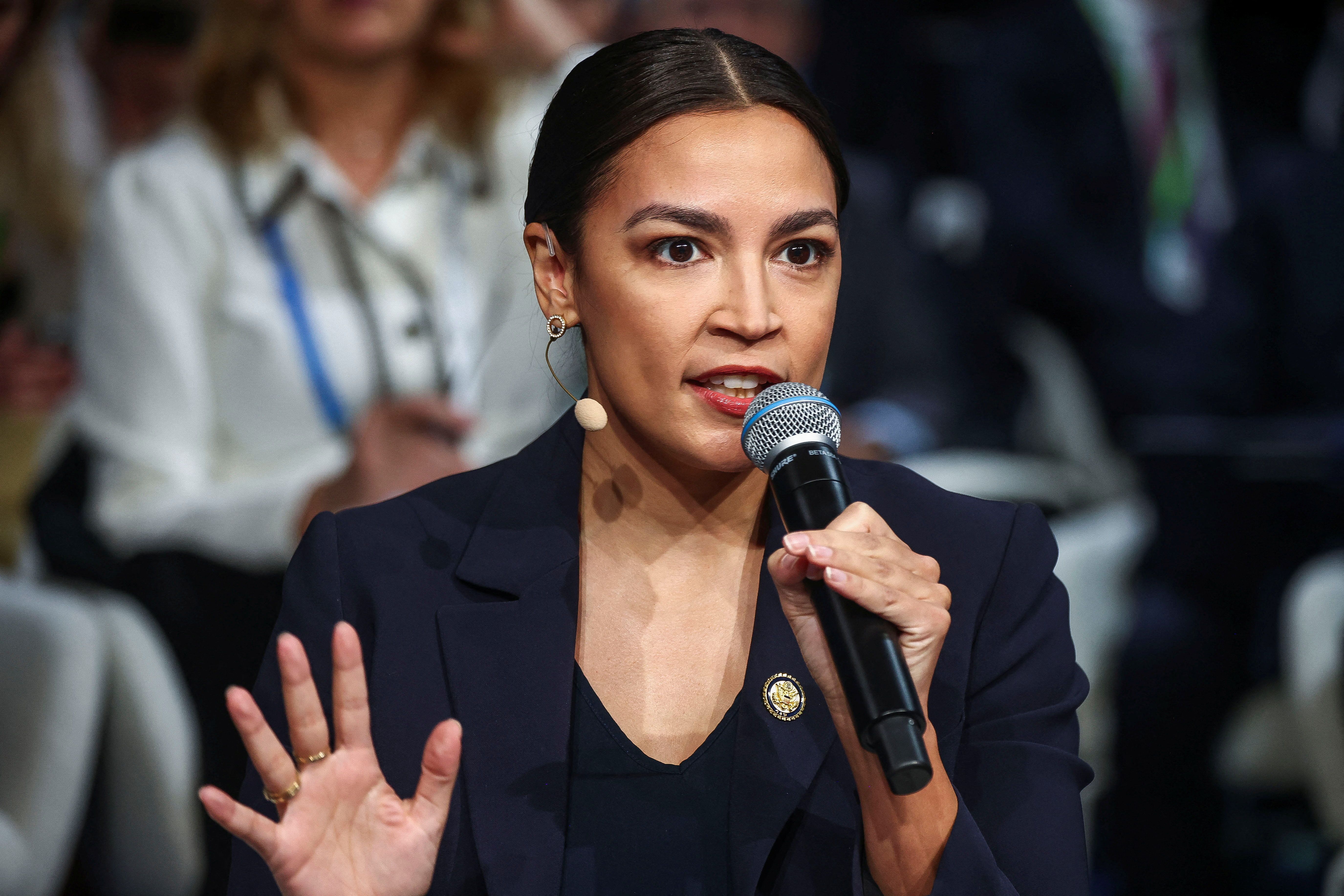
Tech billionaires Elon Musk and Sam Altman have publicly endorsed universal basic income (UBI)—a policy where every citizen receives regular cash payments from the government regardless of income. This marks a shift: billionaires traditionally opposed unconditional welfare spending, but now frame UBI as a solution to job displacement from AI and automation.
Progressive advocates are skeptical because tech leaders haven't committed funding or specific policy proposals to make UBI real. Without detailed plans—like how much monthly payment, who qualifies, or how it's funded—these endorsements may be performative rather than actionable.
For workers and voters, this matters because UBI could reshape how income works in an AI-driven economy (cushioning job losses, simplifying welfare bureaucracy). But if billionaires use the concept for PR while blocking actual legislation, the gap between rhetoric and policy widens—leaving workers without the safety net these leaders publicly praise.
Ask the AI about this article →
For example, today's edition would include:
AI-summarized, only the topics you pick — one digest a day via Email, Slack, or Discord.
Free · takes 30 seconds · unsubscribe anytimeWhat is AIToday? →
Ask AI anything about this article. Q&As are published on this page for other readers too.
Goldman Sachs, Morgan Stanley and Citigroup are pressing elite law firms to lower fees, arguing AI is sharply…

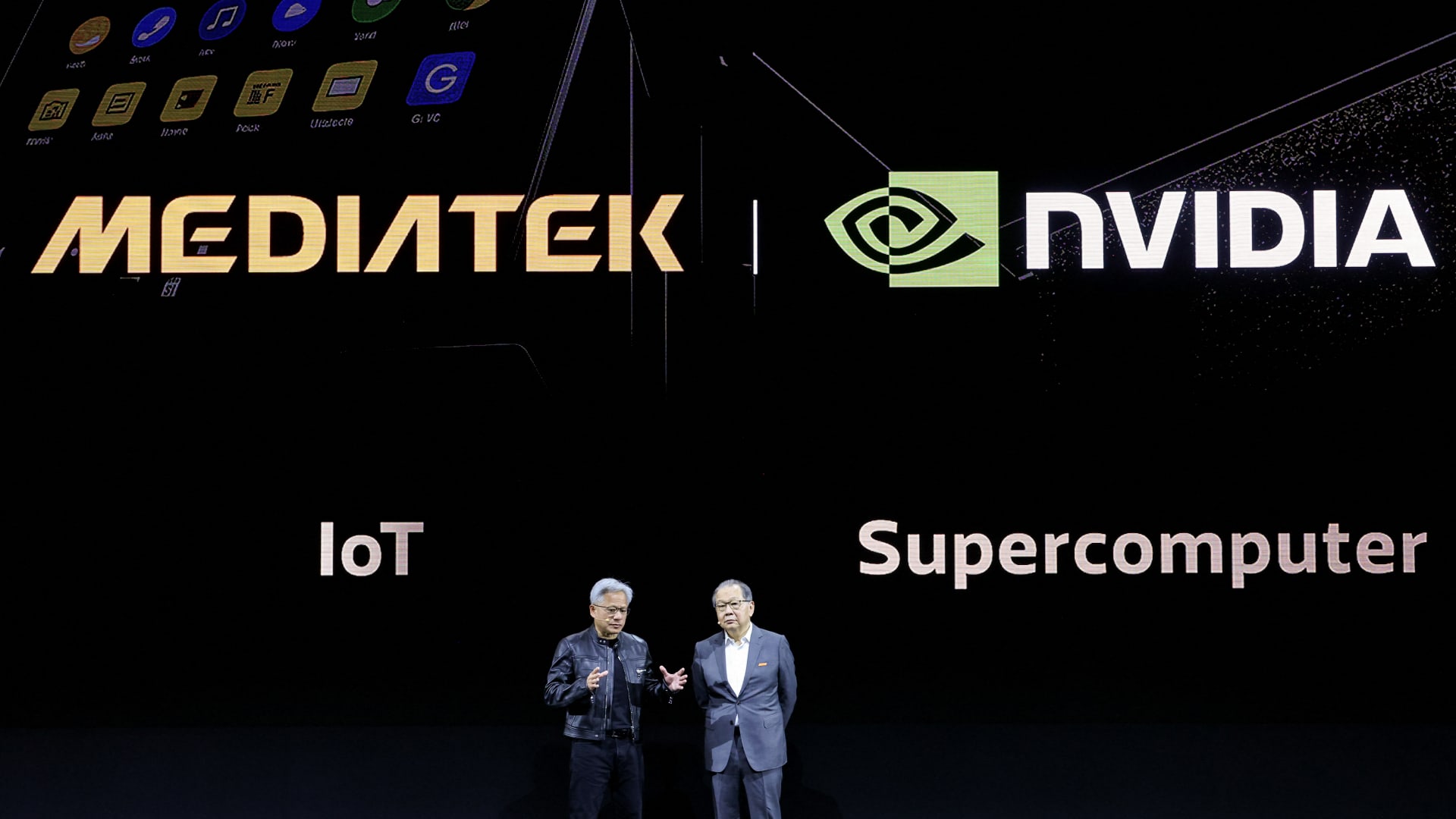
MediaTek shares closed 10% higher on Tuesday after the Taiwanese chip firm announced a partnership with Nvidia
GE Vernova (NYSE: GEV) announced on August 24, 2026, in Paris, a new medium-voltage uninterruptible power supp…

Dell raised its annual revenue outlook, citing strong sales of AI servers

Oracle (ORCL) stock is down 4% to $142.82 in Tuesday afternoon trading, after the 10-year Treasury yield climb…

Tesla's investments in AI startups lag far behind its Magnificent Seven peers