
What happened
A weekend rumor that Anthropic was acquiring robotics startup Physical Intelligence spread rapidly on social media. Physical Intelligence CEO Karol Hausman denied it via Slack with a gif, but The Information confirmed Anthropic and Physical Intelligence held acquisition talks this spring. Anthropic has made four known acquisitions this year; OpenAI has acquired at least 17 companies since 2023.
Why it matters
Both AI giants are preparing to go public (Anthropic filed confidentially for an IPO on June 1; OpenAI a week later) and appear to see physical-world robotics understanding as essential to building more advanced systems. OpenAI already runs a humanoid robotics lab in San Francisco after shutting down robotics work in 2021; Anthropic's Project Fetch research in November found a newer model completed robot-programming tasks roughly 20 times faster than the best human-plus-Claude team from the year before.
What to watch
OpenAI is itself an investor in Physical Intelligence, creating potential conflict—the company may have information rights or first refusal on a competitor sale, giving it a possible advantage over Anthropic in any acquisition bidding. Physical Intelligence co-founder Lachy Groom has raised more than $1 billion(約1600億円) for the startup and was reportedly in talks this spring for another $1 billion(約1600億円) round at an $11 billion(約1.8兆円) valuation.
Summaries like this, in your inbox every morning.
The Anthropic-Physical Intelligence acquisition rumor, though unconfirmed, illuminates a strategic pivot happening across the AI industry's largest players. Both Anthropic and OpenAI have shifted from pure language models toward embodied AI—systems that interact with the physical world. OpenAI's path is instructive: it built an early robotic hand that solved a Rubik's Cube, then abandoned robotics in 2021 because co-founder Wojciech Zaremba believed the approach was missing pieces needed for superintelligence. That conviction reversed in 2024, when OpenAI quietly built a humanoid robotics lab in San Francisco and made it public in late May. Anthropic's approach has been more cautious; rather than building hardware, it has stress-tested its Claude model's ability to help humans program robots through internal research—notably Project Fetch last November and a June follow-up showing vastly faster task completion.
The timing of these acquisition sprees matters. Both companies filed for IPO within days of each other (Anthropic on June 1, OpenAI a week later), positioning themselves for two of the largest U.S. stock debuts in history. The race to secure robotics expertise and teams—whether through acquisition or internal build—reflects a belief that physical-world understanding is essential to the next phase of AI capability. For investors, the Financial Intelligence stake in both companies underscores how intertwined the AI ecosystem has become and raises questions about whether early strategic investments, like OpenAI's stake in Physical Intelligence, carry protective provisions that could influence future M&A outcomes.
For example, today's edition would include:
AI-summarized, only the topics you pick — one digest a day via Email, Slack, or Discord.
Free · 30 seconds with Google · unsubscribe anytimeWhat is AIToday? →
Ask AI anything about this article. Q&As are published on this page for other readers too.
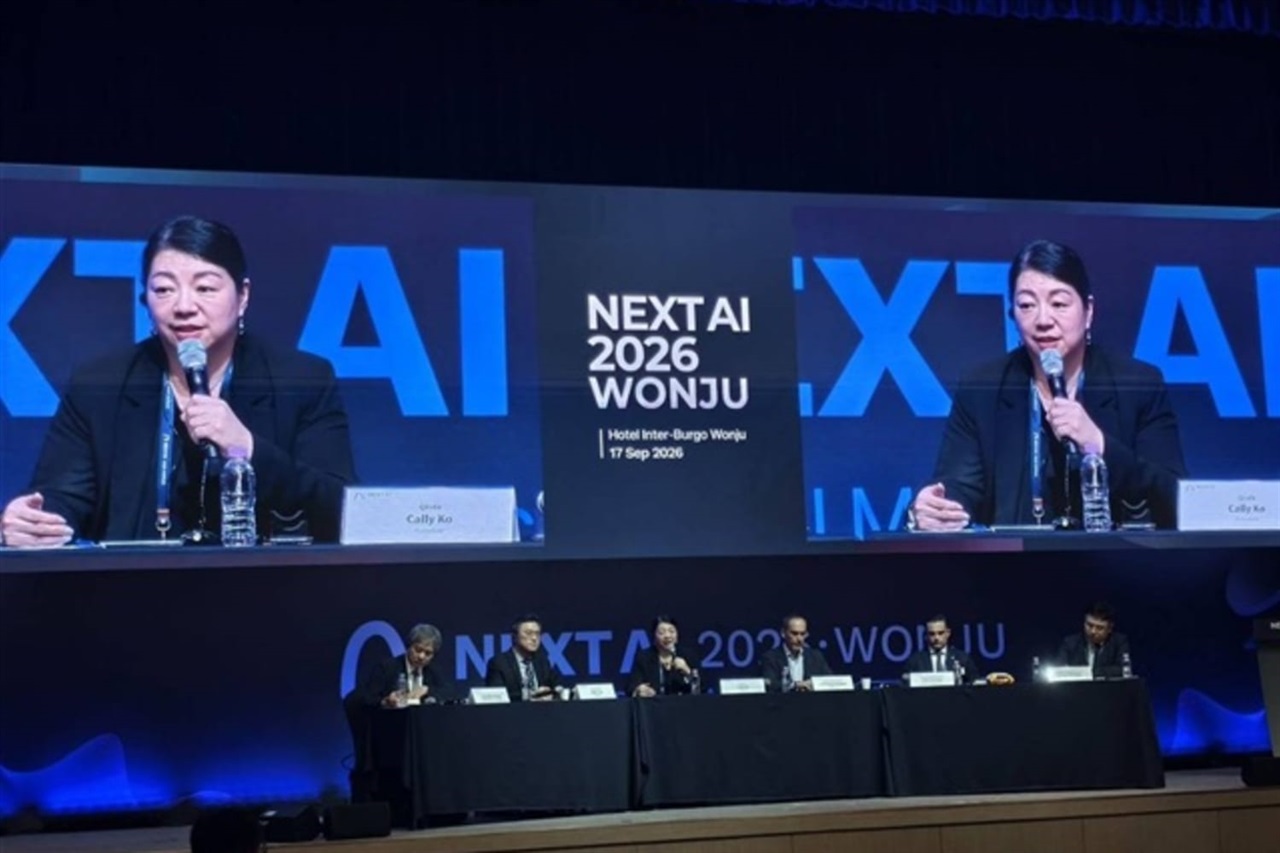
Qisda is accelerating the integration of ICT with healthcare, using its hospital and pharmacy network as testb…
President Trump hosts Xi Jinping this week for their second meeting in 2026, with AI's biggest figures at the…
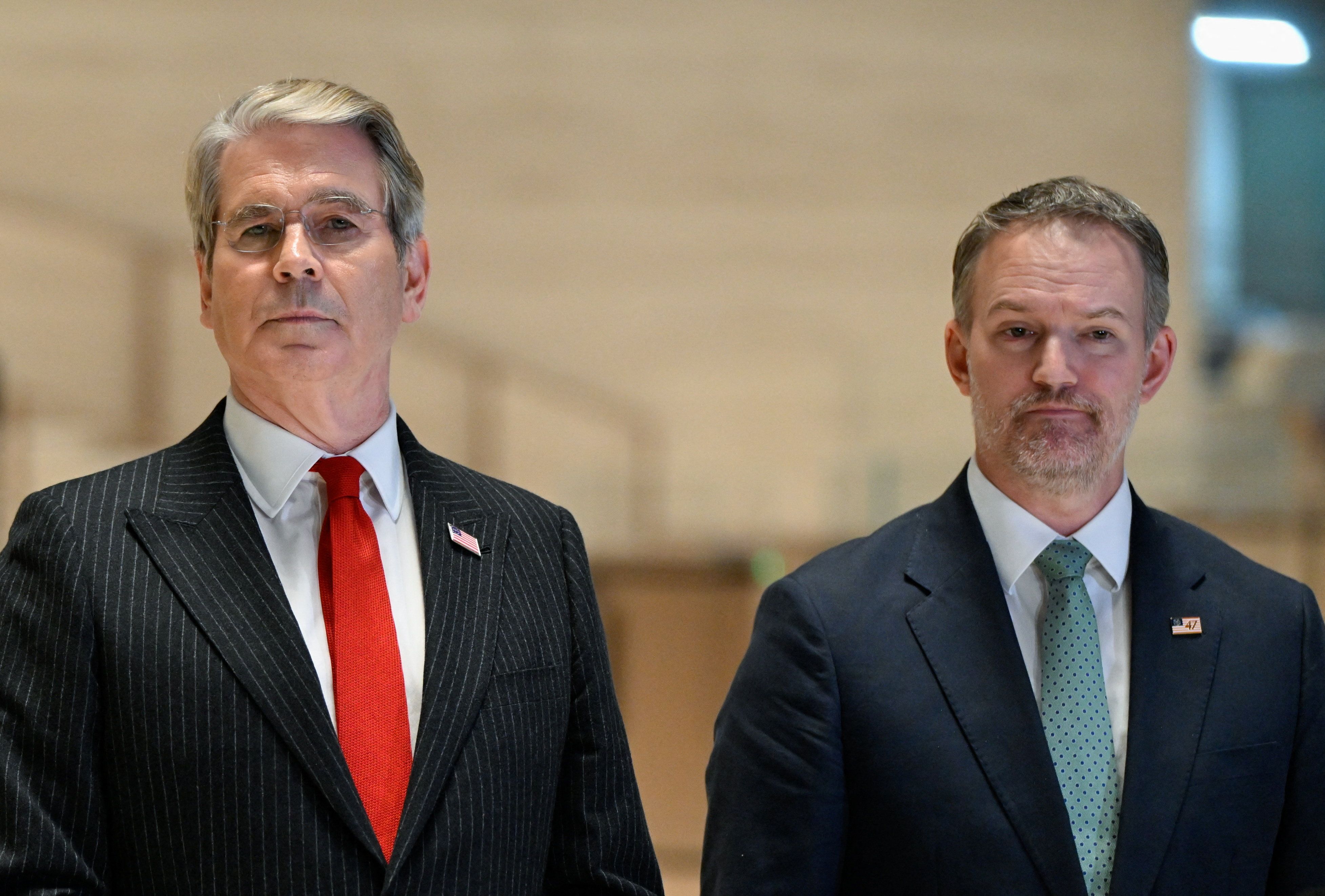
Treasury Secretary Scott Bessent said he and US Trade Representative Jamieson Greer had a "very successful eng…
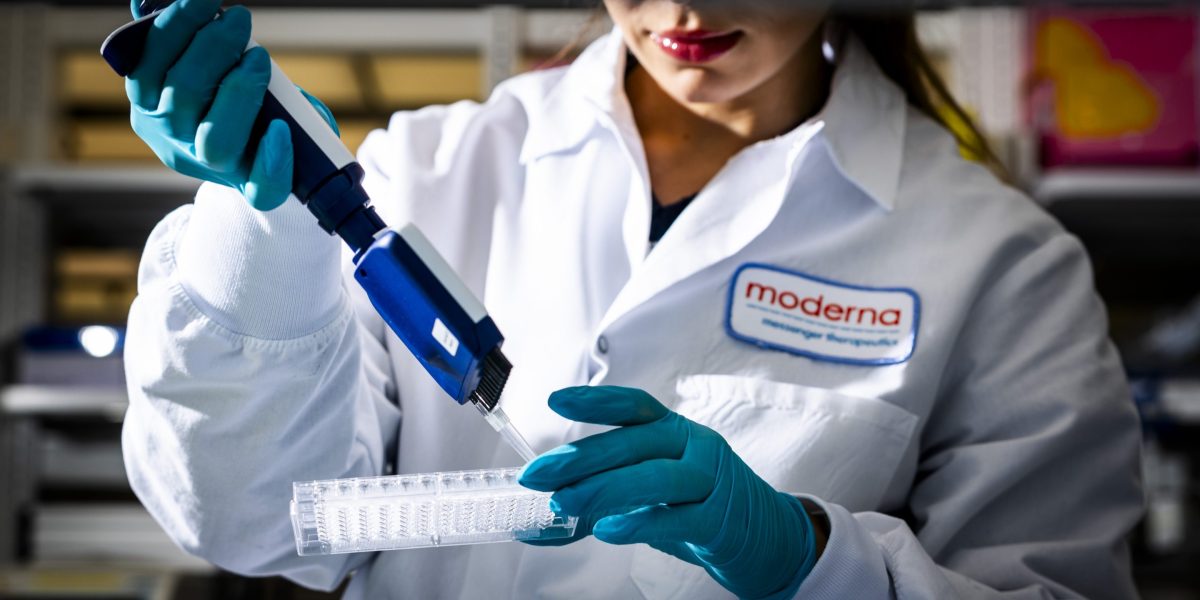
Cellular Intelligence added Robert "Bob" Langer, Yann LeCun, Jens Nielsen and Fabian Theis to its scientific a…
Elon Musk is personally overseeing construction at xAI's Memphis data center, moving into an Airstream trailer…
The CEOs of OpenAI, Nvidia, and Microsoft, plus Apple chairman Tim Cook, are among those attending a state din…