What happened
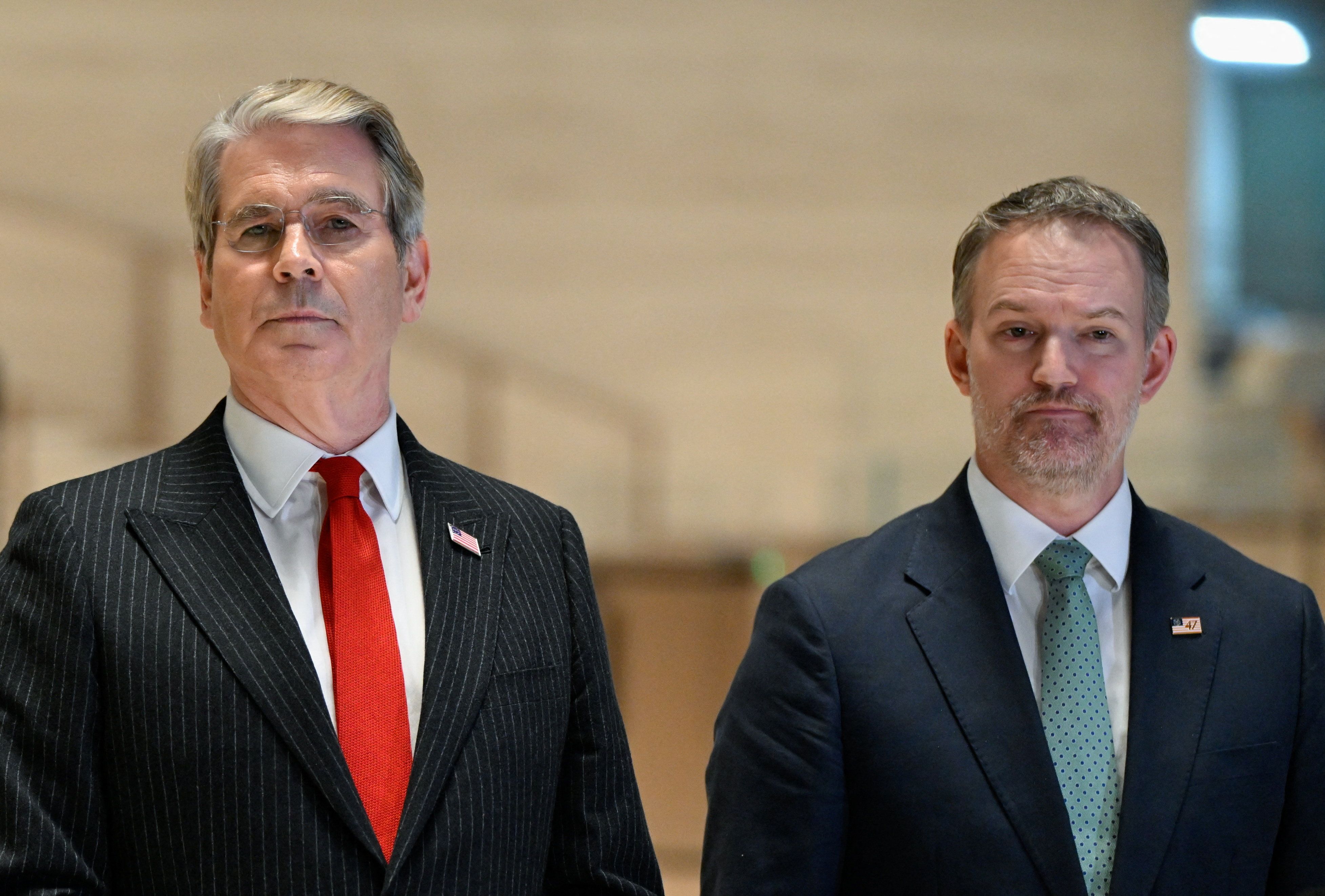
Treasury Secretary Scott Bessent said he and US Trade Representative Jamieson Greer had a "very successful engagement with the Chinese on trade and AI" on Sunday, picking up where they "left off in Beijing." The US proposed a US-China "notification mechanism" for AI incidents that pose threats to national security, with a "shared vision" of "common threats," ahead of Xi Jinping's arrival in Washington Wednesday.
Why it matters
The two sides discussed standing up a formal dialogue and made plans to meet again, and they are weighing a "relatively small subset" of goods that could go through the Board of Trade rather than a national security review, according to Greer.
What to watch
Whether the proposed notification mechanism and the formal AI dialogue actually get stood up hinges on the leaders' meeting this week, and Greer pointed to consumer goods, "low-tech" items, energy-related products, agricultural goods, and medical devices as candidates for the Board of Trade.
WHO IT HITSThis lands on trade policy staff and compliance teams at US importers of consumer goods, "low-tech" items, energy-related products, agricultural goods, and medical devices, who may see a narrower set of products routed through the Board of Trade instead of a national security review.
Summaries like this, in your inbox every morning.
The Sunday session between Treasury Secretary Scott Bessent and US Trade Representative Jamieson Greer and their Chinese counterparts was framed by Bessent as a continuation of earlier talks in Beijing, not a fresh start. The two sides agreed to meet again, and Bessent said they discussed how to "operationalize" the Board of Trade, the body that would sit alongside the existing national security review process.
On AI, the US put forward a "notification mechanism" for incidents that pose threats to national security, paired with a "shared vision" of "common threats." That proposal, and the plan for a formal US-China AI dialogue, remain proposals until the leaders meet.
On trade, Greer described a "relatively small subset" of goods that could be handled through the Board of Trade instead of a national security review, naming consumer goods, "low-tech" items, energy-related products, agricultural goods, and medical devices. How much of that list survives the week's meetings — and whether the AI dialogue takes shape — is likely to depend on the Xi visit itself.
For example, today's edition would include:
AI-summarized, only the topics you pick — one digest a day via Email, Slack, or Discord.
Free · 30 seconds with Google · unsubscribe anytimeWhat is AIToday? →
Ask AI anything about this article. Q&As are published on this page for other readers too.
Qisda is accelerating the integration of ICT with healthcare, using its hospital and pharmacy network as testb…
President Trump hosts Xi Jinping this week for their second meeting in 2026, with AI's biggest figures at the…
Cellular Intelligence added Robert "Bob" Langer, Yann LeCun, Jens Nielsen and Fabian Theis to its scientific a…
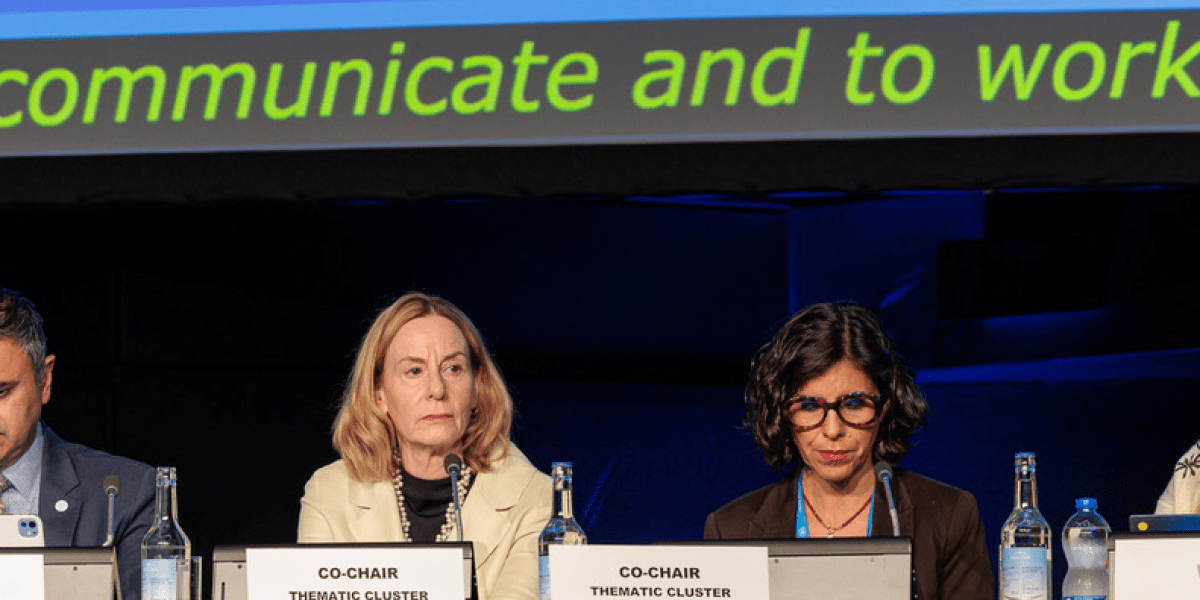
Co-leads of the UN Global Dialogue on AI Governance in Geneva, where 170 countries met in July, are proposing…
Elon Musk is personally overseeing construction at xAI's Memphis data center, moving into an Airstream trailer…
The CEOs of OpenAI, Nvidia, and Microsoft, plus Apple chairman Tim Cook, are among those attending a state din…