What happened
Abu Dhabi's state-run Technology Innovation Institute released Falcon-Emirati models trained on the Emirati Arabic dialect, improving translation, transcription, and voice-enabled services; its 1.6 billion-parameter speech recognition model is more accurate than a 30-billion-parameter model, per TII.
Why it matters
The released models are relatively compact yet the smaller speech model outperforms a much larger one on accuracy, according to TII, suggesting capable Arabic-dialect AI may not require very large models.
WHO IT HITSBusinesses and public services in the Gulf that rely on Arabic-language transcription, translation, or voice interfaces may see fewer errors, since the models are trained on the Emirati dialect rather than only formal Arabic.
Summaries like this, in your inbox every morning.
TII is a state-run research body in Abu Dhabi, and its decision to train on the Emirati dialect addresses a specific problem: Arabic dialects vary so widely that they can be incomprehensible to speakers of the formal Arabic found in news reports and textbooks. That gap has produced machine translations that are sometimes comically inaccurate, occasionally turning innocuous words into vulgar English references. By training on local dialects, idioms, and cultural references, TII says it aims to eliminate those errors and make AI more useful in the region. The released models are relatively compact, and the speech recognition model in particular pairs a small parameter count with higher accuracy than a much larger model, according to TII.
Pick your industry and the AI tools you use, and get news related to your work every day.
Free · 30 seconds with Google · unsubscribe anytimeWhat is AIToday? →
Ask AI anything about this article. The AI reads this article, earlier AIToday articles, and Wikipedia, and cites its sources. Q&As are published on this page for other readers too.
Johns Hopkins astrophysicist Brice Ménard used Anthropic's Claude Science to build the first complete ultravio…

Google Cloud announced Gemini エージェント at its Gemini at Work 2026 event on October 8, US time
Sakana AI said on October 9 that its Japan-tuned LLM, Sakana Namazu, has been adopted by Evidence Finder, the…
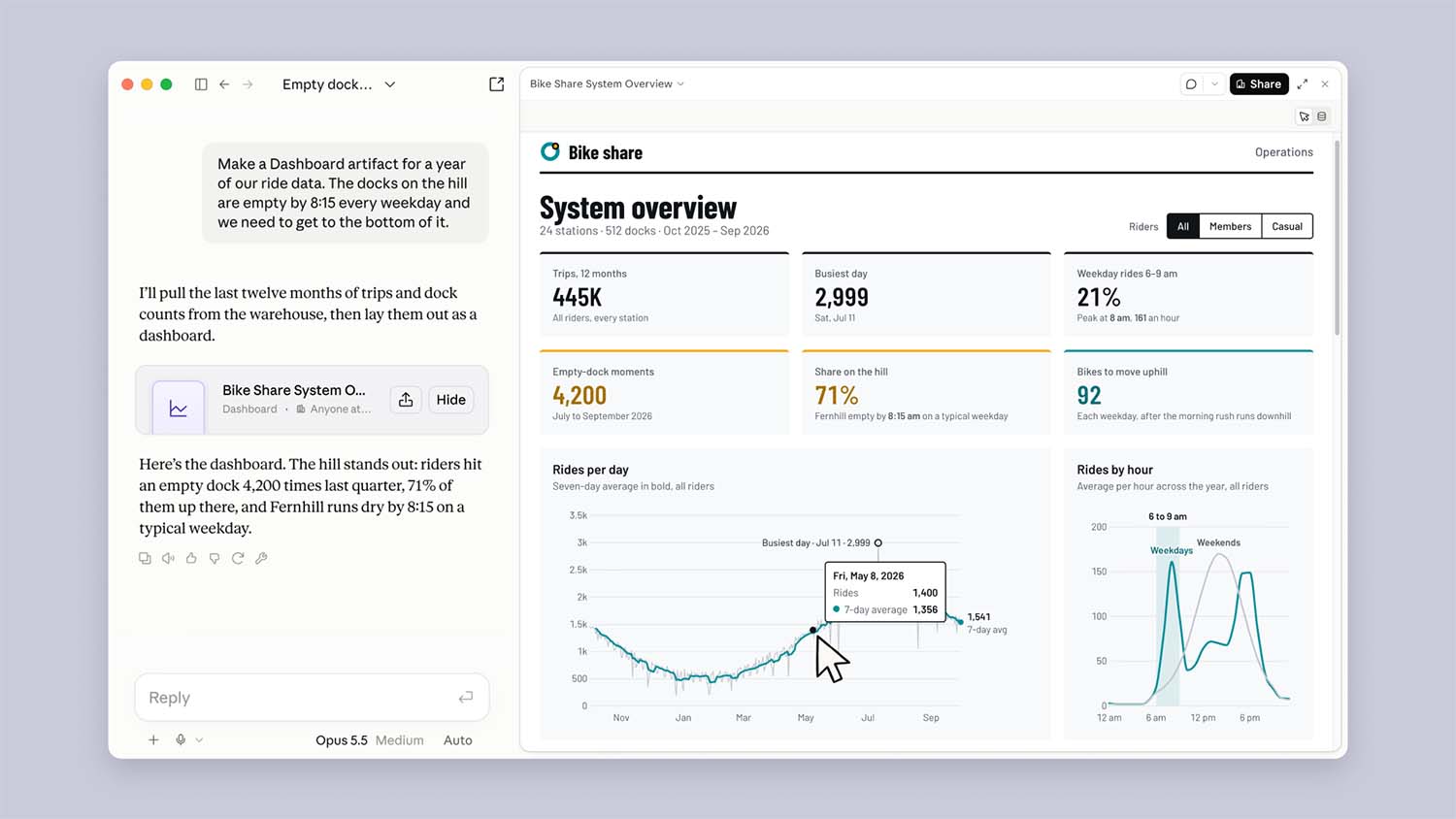
Anthropic added Claude Dashboards, which turns company data into live dashboards, and Claude Motion, which cre…
AI researcher Jannes Elstner told MIT Technology Review that even after identifying every part of a model gove…
Sophos CTO John Peterson says agents built through OpenAI's Daybreak cut average MDR case response time from a…