What happened
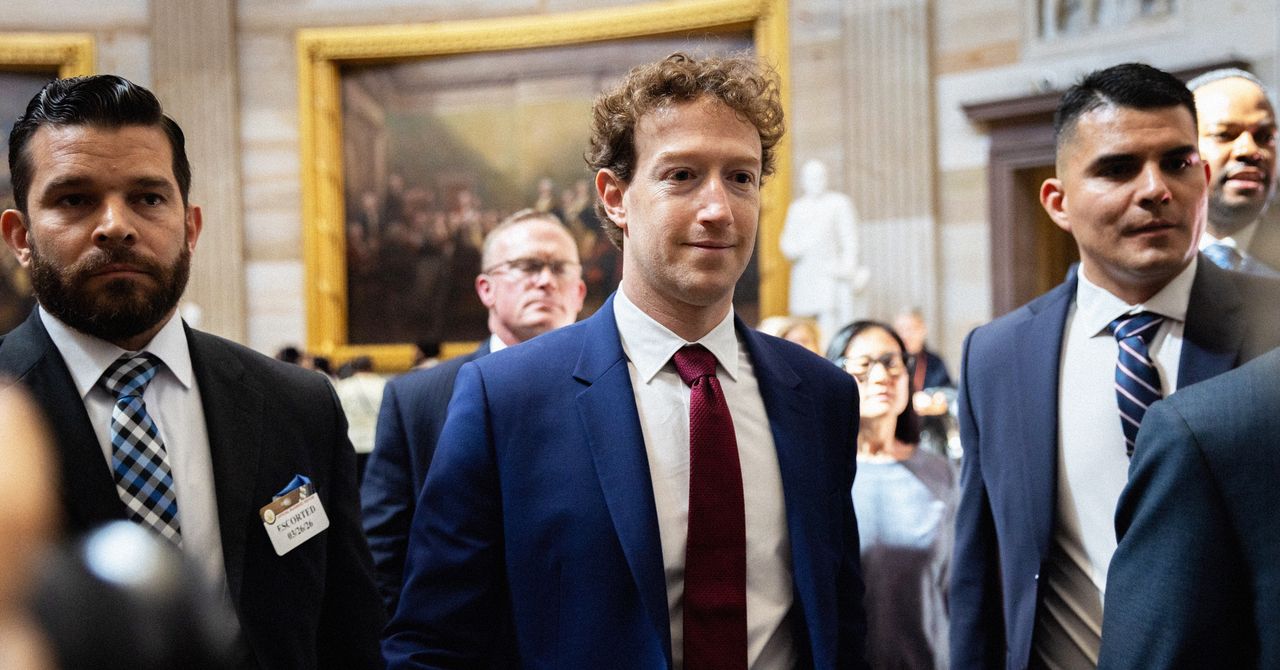
Hundreds of contractors working for Meta, managed by contractor Covalen, created fake under-18 accounts and sent over 45,000 prompts to OpenAI's ChatGPT, Google's Gemini, and Character.AI between August 2025 and April 2025. The prompts, designed to test how the chatbots handled requests about suicide, self-harm, eating disorders, sex, drugs, and other high-risk subjects, included images of pills, knives, and nooses. The companies being tested were not aware of the effort.
Why it matters
The testing appears to violate the terms of service of all three competitors—OpenAI bars unsolicited safety testing and efforts to bypass safeguards, Google prohibits attempts to bypass safety filters outside its authorized programs, and Character.AI prohibits harmful and exploitative content. Meta framed the work as routine "comprehensive AI safety benchmarking," but safety experts and former contractors noted that the scale, secrecy, use of dummy child accounts, and blending of safety evaluation with competitor benchmarking raised concerns about whether it amounted to gathering competitive intelligence under a safety guise.
What to watch
OpenAI said it is "looking into the issue," Character.AI confirmed the testing violated its terms and policies, and Google said it did not authorize the testing and lacks sufficient information to determine whether it violated its terms. The incident highlights ambiguity around what constitutes acceptable AI safety evaluation versus covert competitor testing.
Summaries like this, in your inbox every morning.
Pick your industry and the AI tools you use, and get news related to your work every day.
Free · 30 seconds with Google · unsubscribe anytimeWhat is AIToday? →
Ask AI anything about this article. The AI reads this article, earlier AIToday articles, and Wikipedia, and cites its sources. Q&As are published on this page for other readers too.
Amazon introduced Bee Frontier, a wearable personal AI, for $74.99 in Onyx, Lavender and Sage, and Bee Eclipse…

Citi has become the latest US bank to restrict AI agents from accessing accounts, per the Financial Times

Aparna Nair, IBM's chief talent, leadership, and culture officer, said generalists alone "will cut it" in the…

Microsoft and Nvidia are promoting RTX Spark, a new class of Windows PCs for local AI, with a top configuratio…
Dell says its AI Data Platform uses a four-engine architecture and a Unified Semantic Layer to connect siloed…
Microsoft AI CEO Mustafa Suleyman told employees that MAI-Base-2, announced Thursday, is a stronger pre-traine…