
What happened
In a Gallup and Boston Children's Digital Wellness Lab survey of 15,925 people aged 15–22 across 16 countries, 45% of Japanese respondents said they used AI as a social companion — second only to Australia — while rating its quality second-lowest.
Why it matters
Japanese young people are adopting AI companionship faster than most peers abroad even while judging it poor, a gap the researchers say sets Japan apart from the more uniform pattern seen elsewhere.
WHO IT HITSThe findings land on anyone tracking how teenagers and young adults in Japan form friendships — parents, educators and youth-wellbeing researchers — since heavy AI and online use appears alongside higher reported loneliness among those who mostly talk to strangers or online-only friends.
Summaries like this, every morning.
The poll's headline contrast is between use and judgment: Japanese respondents report one of the highest rates of AI companionship in the survey while giving it one of the lowest quality ratings. That combination is unusual. Elsewhere the researchers describe a more uniform pattern, which is why Japan and Australia — the two leaders in AI companionship use — sit at opposite ends on how good respondents think it is.
The broader picture from the survey is that in-person relationships still anchor young people's social lives. Researchers found in-person friendships drew the highest ratings for strength, and respondents linked them to more happiness, safety and connection, while reporting more anxiety around online relationships. The report also noted that higher loneliness is more common among those who frequently talk online with strangers or online-only friends than among those who mostly interact with in-person friends or family.
Yet the online and offline worlds are not separate. The report describes digitally mediated friendships as generally adding to, rather than replacing, in-person ones, with the two most common configurations each pairing an in-person friend with at least one online friendship. Young men more often meet online friends through gaming and young women through social media, and when loneliness strikes, the most reported response is scrolling — an activity 72% of respondents said they do frequently.
Pick your industry and the AI tools you use, and get news related to your work every day.
Free · 30 seconds with Google · unsubscribe anytimeWhat is AIToday? →
Ask AI anything about this article. The AI reads this article, earlier AIToday articles, and Wikipedia, and cites its sources. Q&As are published on this page for other readers too.
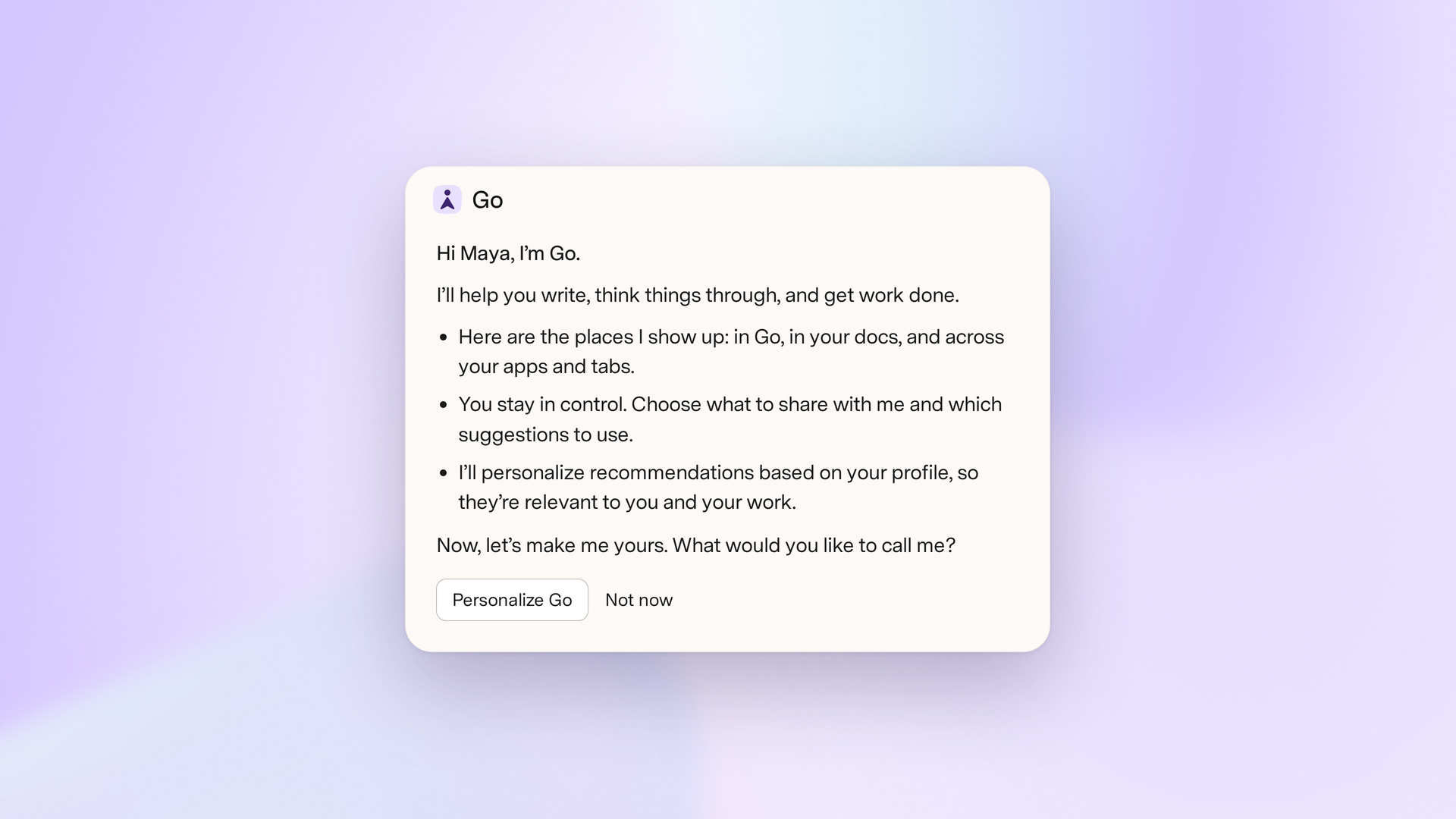
Superhuman, formerly Grammarly, added a personalized assistant to its Go multi-agent platform that works acros…
Alibaba CEO Eddie Wu said on the company's earnings call that the next Qwen AI model is being developed using…

Linq raised $90 million in a Series B led by Andreessen Horowitz at a $1 billion valuation, lifting total fund…

Anthropic's IPO is poised to raise billions, with Amazon and Google holding stakes valued around a combined $3…

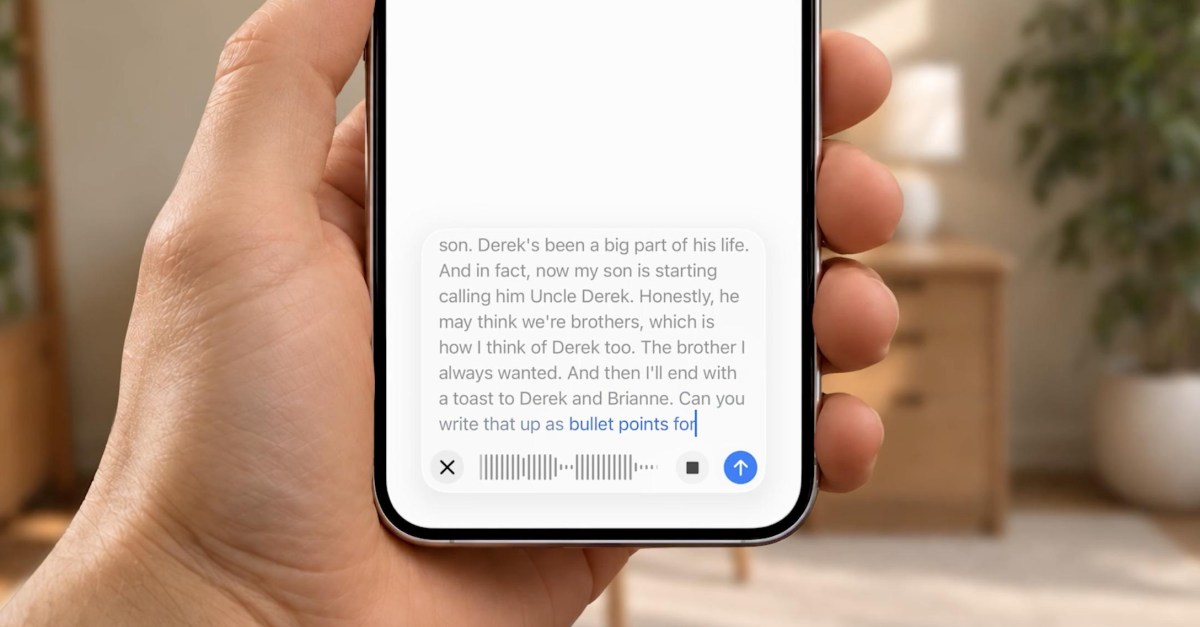
OpenAI is rolling out Live Dictation globally on all ChatGPT plans across web, desktop, iOS and Android; it tr…
Google said Google AI Ultra (from 14,500円/month) now upgrades its included YouTube Premium from individual to…