What happened
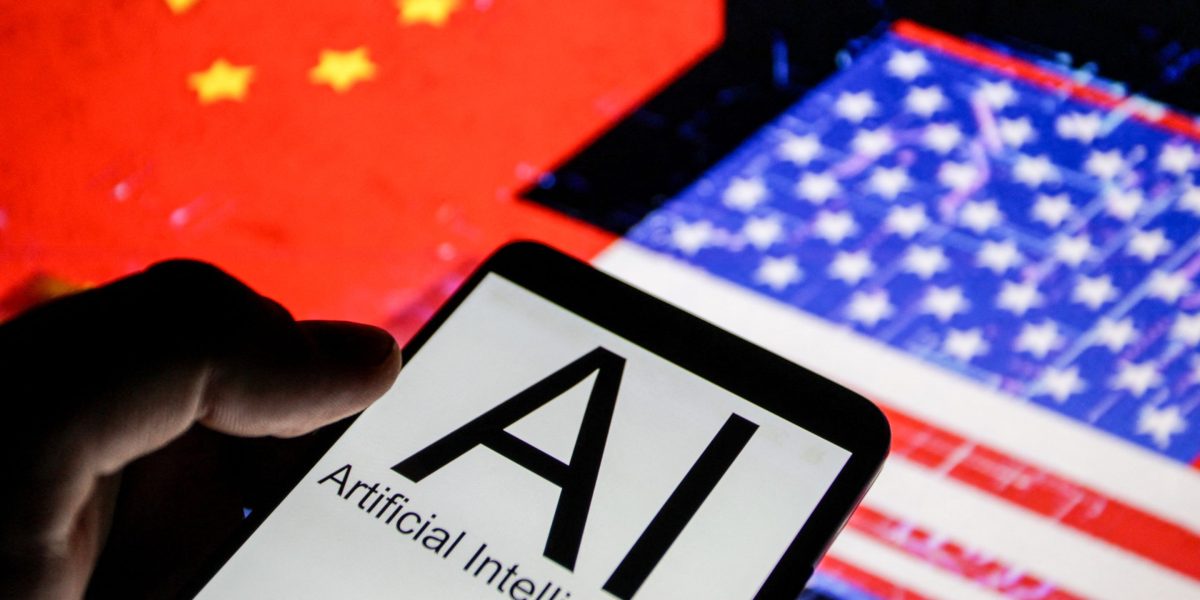
Harvard Kennedy fellow Shlomit Wagman argued the first workable global AI safety pact should be built on absent trust, with Washington and Beijing agreeing on early warning indicators and when to pause development.
Why it matters
She says restraint is rational only if each side is confident the other is also constrained, so a narrow safety bargain is seen as the only realistic path.
What to watch
She points to the Financial Action Task Force model, which converted professional evaluations into collective pressure; the test is whether a similar coalition can make AI violations costly enough to deter cheating.
WHO IT HITSPolicymakers and technical experts weighing AI safety agreements between the U.S. and China would need to focus on narrow, verifiable brake points rather than broad principles. Companies building frontier AI could face coordinated pressure through chips, cloud infrastructure, and capital if violations are detected.
Summaries like this, in your inbox every morning.
Wagman's argument follows recent warnings from inside the AI industry. Jacob Coxon left Anthropic with a warning about the race toward self-improving AI, and CEO Dario Amodei publicly called for 'pacing the frontier', pointing to accelerating AI-assisted AI development. Amodei proposed action at three levels, including globally with China — the hardest of the three.
The core problem she identifies is that restraint only makes sense if each side believes the other is also holding back. But the U.S. and China distrust each other and are unlikely to agree soon on privacy, surveillance, or military use. Wagman's answer is to narrow the scope: negotiate not how fast AI moves, but when to brake based on agreed warning signs like autonomous AI research or sharp movement toward biological or cyber capabilities.
Her experience with the Financial Action Task Force suggests a way forward: countries that distrust each other can still agree on limited threats, use professional evaluations to assess compliance, and let those findings create collective consequences. For frontier AI, that would mean the U.S. and China at the center, technical experts determining if warning signs are triggered, and a broader coalition making violations costly through chips, cloud infrastructure, capital, and markets. Whether such a narrow bargain can survive depends on whether the two powers fear the same catastrophes enough to act before they arrive.
Pick your industry and the AI tools you use, and get news related to your work every day.
Free · 30 seconds with Google · unsubscribe anytimeWhat is AIToday? →
Ask AI anything about this article. The AI reads this article, earlier AIToday articles, and Wikipedia, and cites its sources. Q&As are published on this page for other readers too.
Anthropic gave six METR staffers hardware, office space and internal tools, putting them roughly on par with i…

Cammarata reinterprets InceptionV1's cat-car neuron as a V-shape detector, not two unrelated concepts

Meta's new commercial terms, effective October 30th, appear to let it crawl and train AI on content from websi…

A Zenn contributor sorted AI use into three modes — AI as an assistant, AI running alongside people, and AI th…

A developer released agent-guardrails, a one-script Python standard-library plugin that guards Bash, Write, Ed…
A Qiita article compared automated red-teaming methods for LLM apps — GCG, PAIR, and TAP — using mock implemen…


