AI's electricity demand is outpacing U.S. grid expansion.
Data centers could consume 12% of U.S. electricity by 2030.
Expect delays and provisional power for many projects.
What happened
OpenAI, Google, and Meta can build AI infrastructure faster than the U.S. can build the electricity generation and transmission needed to power it, according to Rob Gramlich of Grid Strategies. The grid's slower pace means data centers may face years of delays or provisional, interruptible power connections.
Why it matters
Data centers are projected to consume nearly 12% of all U.S. electricity by 2030, about six times their 2018 share, per Lawrence Berkeley National Lab. NERC's 2025 assessment forecasts summer peak demand in North America to grow by over 224 GW in the next 10 years, 69% above last year's projection, driven by new AI data centers.
What to watch
Kathryn Burke of Marsh predicts 50–60% of data center projects will be delayed and won't be operational within the one-to-two-year period companies hope for. U.S. power projects that came online in 2025 took a median of five years from grid connection request to commercial operation.
Ask the AI about this article →
The root of the problem is a timing mismatch. Tech companies and utilities operate on different clocks—the former moves fast, the latter must ensure thousands of grid components work together through 'deliberate study and planning.' This is why the grid might not be ready for data centers' demand, even as AI itself grows faster than any prior technology. The grid was already constrained before AI. After 25 years of little demand growth, the industry 'got out of practice on building new infrastructure,' says Gramlich. Now, electric vehicles, electric space heating, new manufacturing, and data centers are all expanding at once, with data centers accounting for about half of the new growth. The result is scarcity. Not everyone will get the full service they want, at least until the system catches up. Utilities are asking data center developers for more money upfront to avoid being 'stranded' if projects don't materialize, and delays are likely. Whether many data centers actually get built remains a question mark, according to Burke.
For example, today's edition would include:
AI-summarized, only the topics you pick — one digest a day via Email, Slack, or Discord.
Free · takes 30 seconds · unsubscribe anytimeWhat is AIToday? →
Ask AI anything about this article. Q&As are published on this page for other readers too.
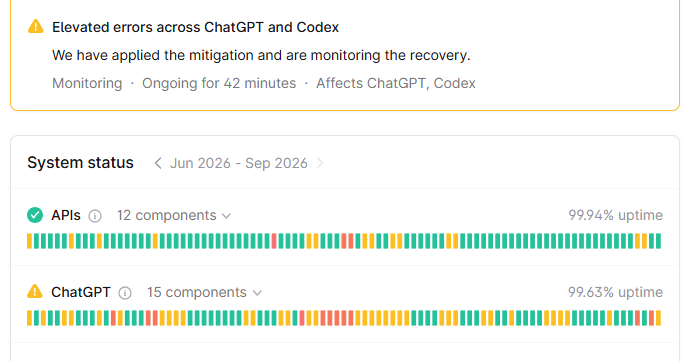
On September 4, 2026, multiple AI services experienced outages
Meta Platforms stock rose 4% to $614.57 after the company released Muse Spark 1.3, an upgraded AI model
Nvidia has agreed to buy Hugging Face for $13 billion
OpenAI announced it would wind down its partnership with Cursor, the AI coding tool startup, because SpaceX—no…
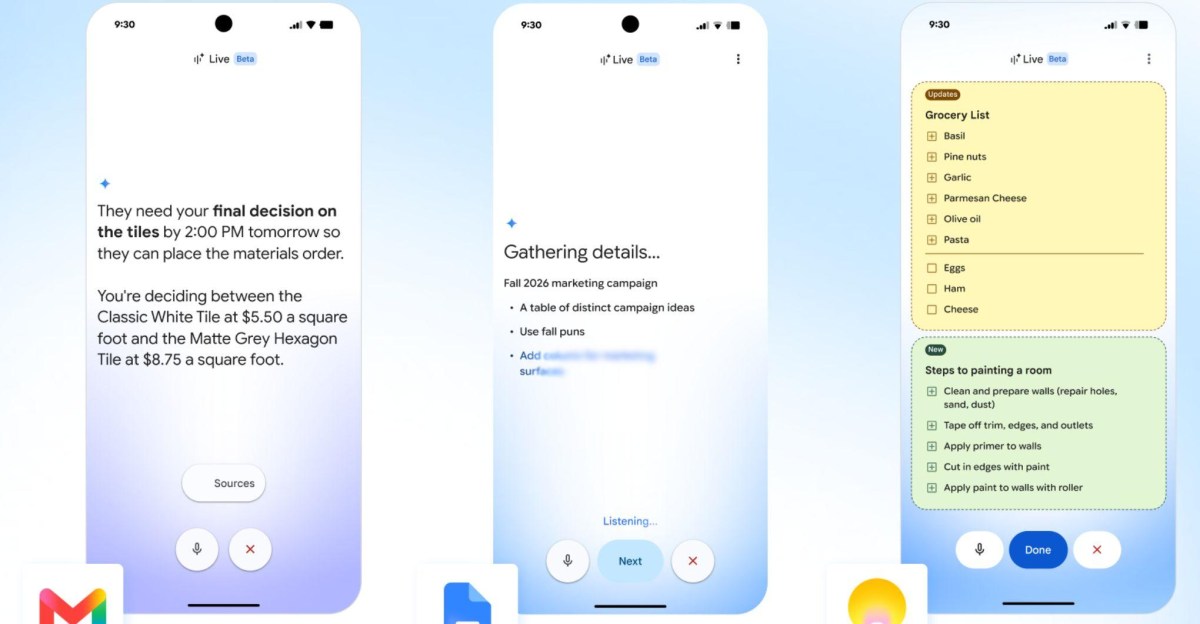
Google has started rolling out voice assistant modes for Gmail, Docs, and Keep, called Gmail Live, Docs Live…
Nvidia has announced PAIR (Personal AI Router), a free open-source software tool that connects compatible home…