What happened
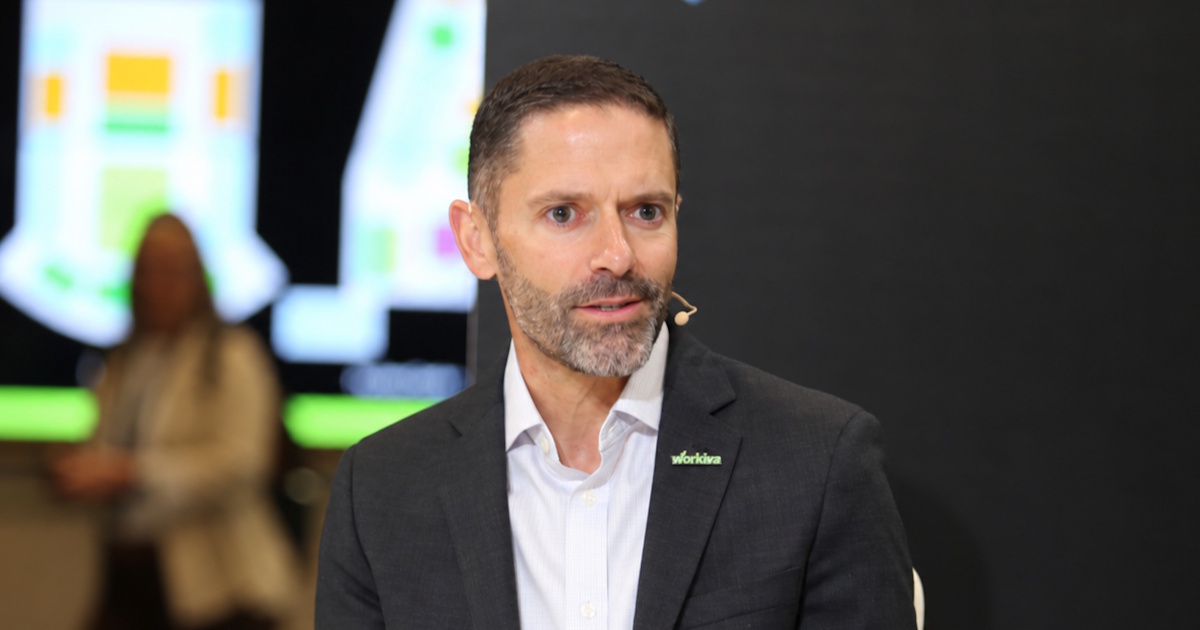
Workiva vice president Steve Soter told theCUBE at Workiva's Amplify event that its research found 84% of executives are at least somewhat willing to trust AI to generate an annual report without human review.
Why it matters
Human accountability still sits with the executive who approves the report, so that appetite for AI-generated filings may be running ahead of the controls meant to ground them.
What to watch
The gap hinges on whether AI-assisted reporting keeps documented approvals and traceable data, since Soter argues speed without that grounding becomes a liability rather than an asset.
WHO IT HITSFinance and accounting teams drafting annual reports and board materials face this gap, since an executive still signs off on AI-generated numbers they may not have traced.
Ask the AI about this article →
Summaries like this, in your inbox every morning.
TheCUBE, SiliconANGLE Media's livestreaming studio, interviewed Soter at Workiva's Amplify event alongside Krista Case and Alison Kosik. He framed AI in financial reporting as a different flavor of the same risk he handled as a former controller, when knowing where data came from, who touched it, and how it was reviewed and approved was already essential. In his account, AI doesn't change that need; it makes it more important, because accelerating a process that lacks those controls turns speed into a liability.
The tensions Soter described run in two directions. Companies are drawn to AI for reporting work, yet many are automating before repairing the information foundations underneath. He suggested AI might itself help clean up unreliable records and lift the 11% figure, while cautioning that AI is only as good as the data it uses. Oversight, in his view, is not a temporary precaution while the technology matures but a core part of the reporting process.
The stakes look likely to sit with the executive who signs off rather than the tool that drafts, since responsibility stays human even when machines complete more of the work. How much of that willingness to trust AI translates into practice may depend on whether traceable data and documented approvals keep pace with the appetite for automation.
For example, today's edition would include:
AI-summarized, only the topics you pick — one digest a day via Email, Slack, or Discord.
Free · 30 seconds with Google · unsubscribe anytimeWhat is AIToday? →
Ask AI anything about this article. Q&As are published on this page for other readers too.
Northwest Bancshares CFO Doug Schosser told theCUBE he weighs AI proposals against three tests — customer impa…
Dell is building private cloud solutions for enterprise AI, and an interview cited up to 65% in cost savings v…

Huawei's Heart Voice Community published minutes of a talk in which supervisory board chairman Guo Ping told n…

Microsoft raised its quarterly dividend by seven cents to $0.98 per share, payable December 10 to shareholders…

In her State of the Union 2026 address, Ursula von der Leyen said AI agents "escaping their environment" are j…

Nikkei reports that Byond is offering support for building AI agents that specialize in cumbersome sustainabil…