What happened
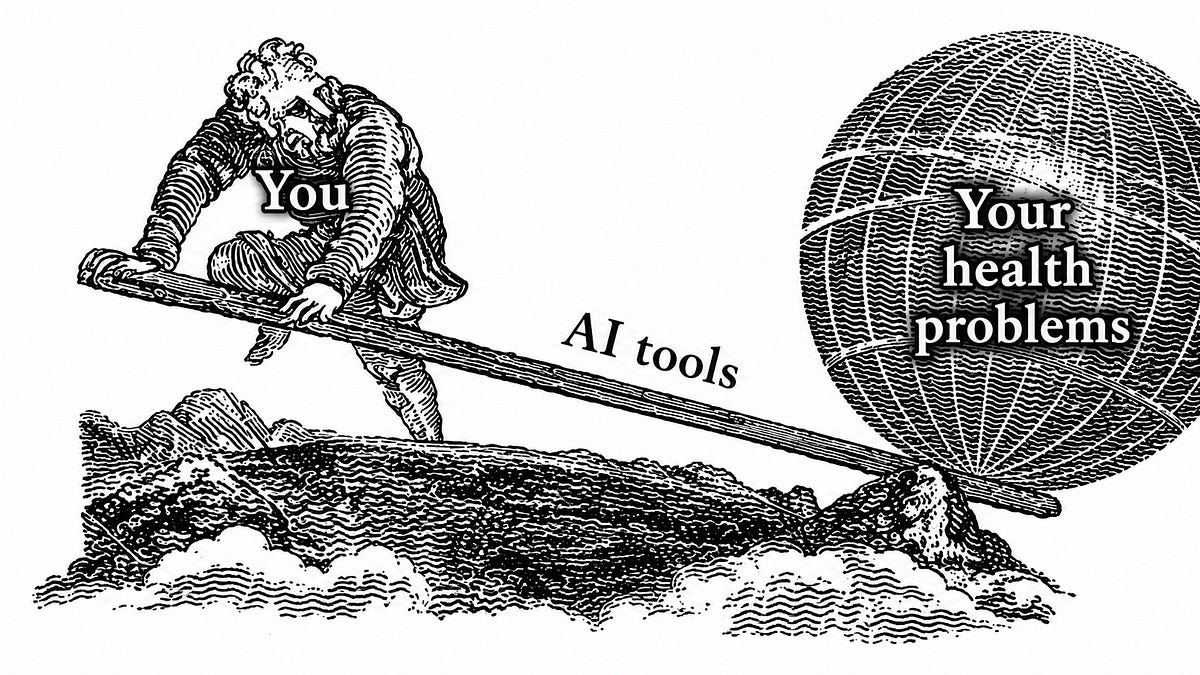
The author, who has a prolactinoma (a pituitary gland tumor) and experienced recurring fatigue episodes, developed a repeatable diagnostic method combining symptom tracking, testing, data analysis, and lifestyle experimentation—guided by reasoning models such as Claude Opus 4.8 or GPT 5.5. The models raised nearly every hypothesis her neuroendocrinologist's nurse practitioner offered and flagged a specialized test the NP independently ordered, despite not outperforming her top-specialist neuroendocrinologist.
Why it matters
Most primary care visits are constrained by insufficient data, time, context, and physician presence; a thoughtful AI-guided process can overcome these structural limits. The author argues that the models easily beat every primary care doctor she saw, and that many people delay treating non-debilitating but impairing symptoms because prior visits yielded high bills and no solutions—a gap this approach may help fill.
What to watch
The author provides a plug-and-play system prompt and coding-agent skill in the article's appendix, and emphasizes using paid-tier models with high reasoning effort as "the most worthwhile $20 I've spent in my health journey." The method requires uploading medical records and being detailed about test values and reference ranges, and does not apply to risky medical actions without physician approval.
Ask the AI about this article →
For example, today's edition would include:
AI-summarized, only the topics you pick — one digest a day via Email, Slack, or Discord.
Free · takes 30 seconds · unsubscribe anytimeWhat is AIToday? →
Ask AI anything about this article. Q&As are published on this page for other readers too.

