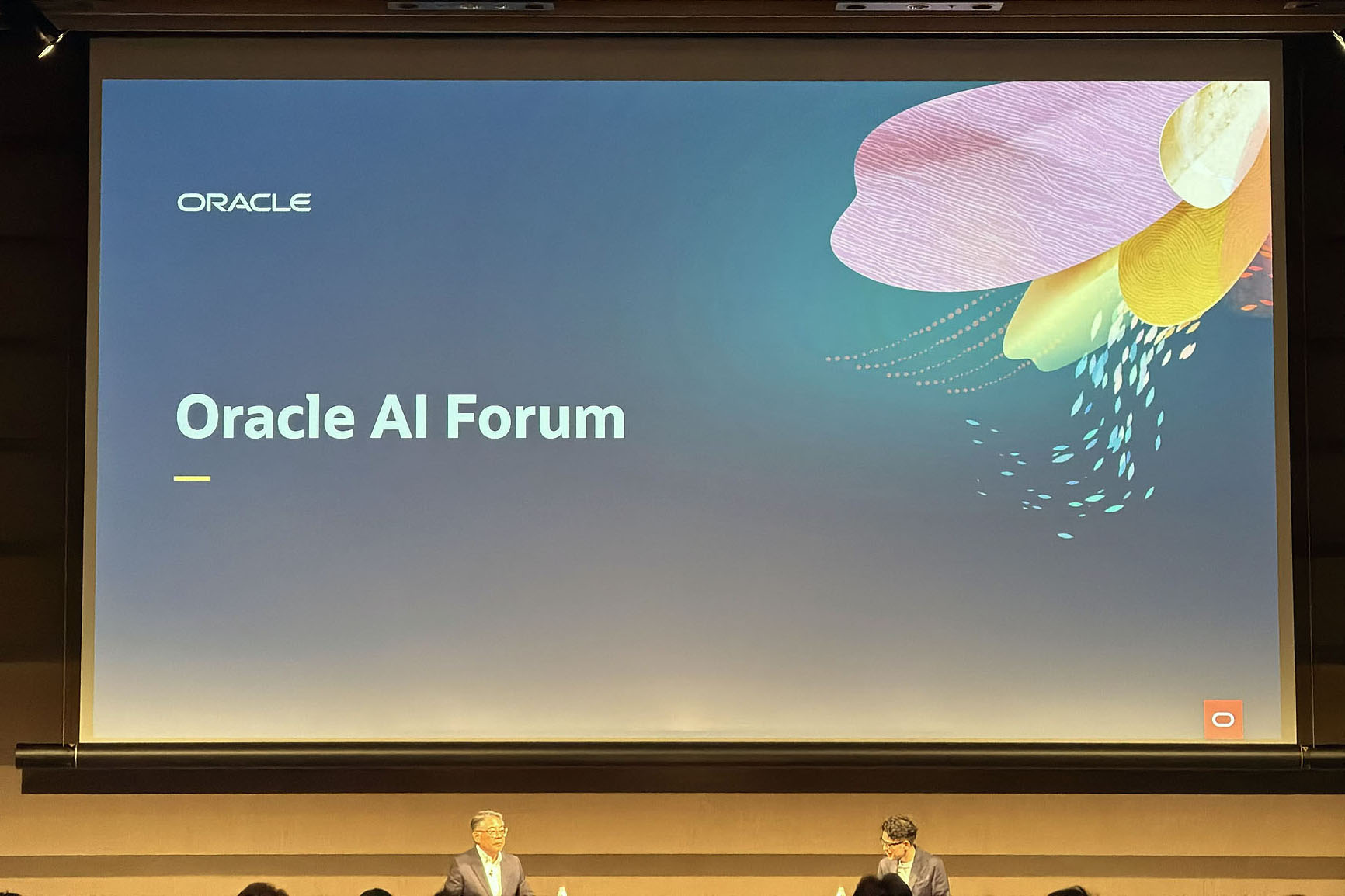
What happened
Oracle Japan's president Tomomitsu Misawa introduced "Oracle Fusion Claw," an enterprise take on the desktop-assistant tool OpenClaw, and said Oracle will release 25 new Fusion Agentic Applications built on it.
Why it matters
The pitch is that Oracle Fusion Claw adds the governance and security controls OpenClaw lacks, which is what companies need before letting AI agents run complex, high-value work.
What to watch
Oracle argues results come from starting small and fixing data quality, not from building a giant data lake at once. Watch whether enterprise AI spending shifts from bottom-up experiments to top-down programs.
WHO IT HITSThis lands on IT and data leaders at large enterprises — especially manufacturers with operations scattered across many countries — who are being pushed to make their data usable by AI before expected financial returns appear.
Summaries like this, in your inbox every morning.
The forum's framing was less about new technology than about the gap between AI adoption and measurable payoff. Yazaki's numbers made that gap concrete: 16,000 of its 17,000 employees already use generative AI and training is in place, yet the company struggles to translate that into financial results. Its test with 2,423 past trouble reports, of which only 27 were usable, points to a cause Oracle repeatedly returned to — data that large language models simply cannot read.
That diagnosis shapes the advice Oracle gave. Rather than building a huge data lake up front, which it called unrealistic in both time and cost, it proposes small starts and checking results as you expand. It also argued that financial impact requires work spanning internal departments, which points toward top-down AI and data programs rather than bottom-up efforts led by individual teams.
The customer examples fit that pattern in different ways. Rakuten described using an "ECC AI Agent" to suggest next actions to stores and turn those conversations into reusable data, and said it chose to develop jointly with Oracle for speed because its own teams were fully occupied. SoftBank focused on AI security, where Oracle said it would support resilience through the latest security patches and data backup and DR environments, and claimed around 20–50% reduction in build and operation effort by governing AI behavior in a database.
On the product side, Oracle Fusion Claw is positioned as a way to bring OpenClaw-style autonomy into enterprises that need governance and security, and the 25 Fusion Agentic Applications would be its first broad application set. Whether that lands may hinge on how quickly customers can make their existing data readable by AI — the constraint Yazaki's example put at the center of the discussion.
Pick your industry and the AI tools you use, and get news related to your work every day.
Free · 30 seconds with Google · unsubscribe anytimeWhat is AIToday? →
Ask AI anything about this article. The AI reads this article, earlier AIToday articles, and Wikipedia, and cites its sources. Q&As are published on this page for other readers too.
Anthropic said that from October 6 onward, Cowork tasks on the Claude Pro and Max plans run in the cloud, and…
Itoki and Matsuo Institute analyzed anonymized data from 854 workers across 70 behavioral features, using VAR-…
Over the trailing five years, insiders at Nvidia, Palantir, and Alphabet filed Form 4s showing roughly $17.5 b…

Sens. Elizabeth Warren and Richard Blumenthal sent a letter to Treasury Secretary Scott Bessent and other offi…

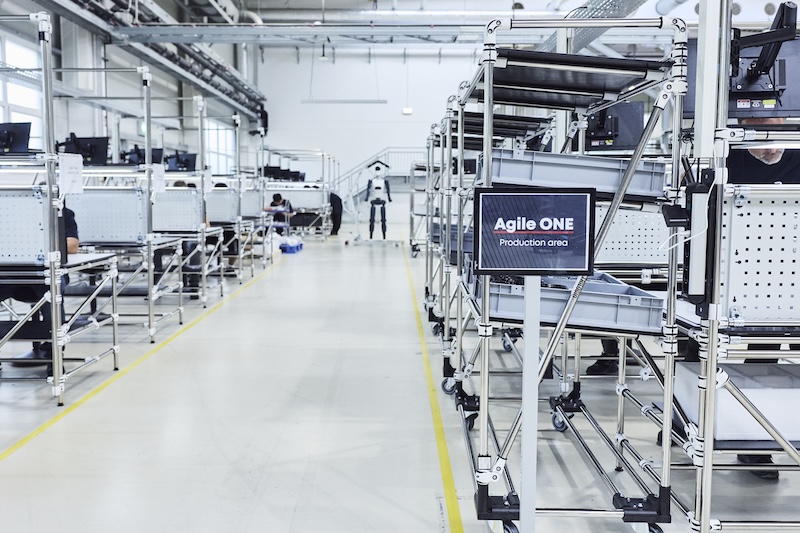
Agile Robots CEO Zhaopeng Chen said at the company's Physical AI Media Day that "physical AI is going to be 10…
Cohere launched North 2, a revamped enterprise platform with orchestration that coordinates AI agents tapping…