What happened
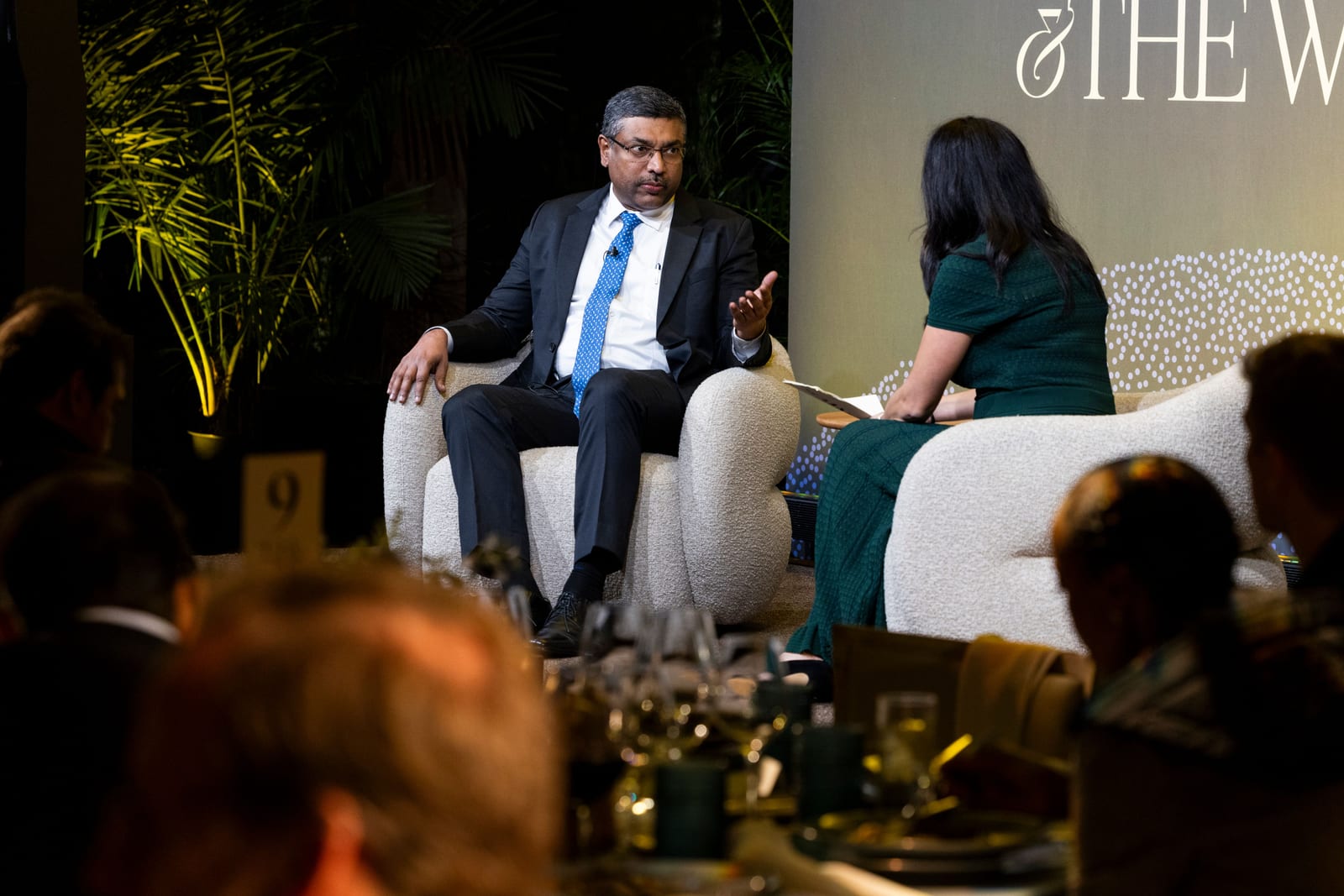
S Krishnan, secretary of India's Ministry of Electronics and Information Technology, said Indians see AI as less of a threat than people in the US because fewer hold "cognitive and office-oriented jobs" that the technology could replace.
Why it matters
If AI replaces fewer office roles in India, the country may absorb the technology with less of the job-displacement anxiety seen in the US, Krishnan's comparison suggests.
Summaries like this, every morning.
Krishnan's remarks put a positive spin on a question that worries many rich countries: whether AI will wipe out white-collar jobs. In India, where around 6 million people work in IT and related services, he argued the workforce is large enough to spread the technology through the economy. He pointed to sectors such as agriculture, education, healthcare and government, where AI tools could give farmers expertise currently available only to the largest companies, or screen chest X-rays for tuberculosis. The main constraint, he said, is one shared by many countries: "AI compute is still in short supply and expensive."
Pick your industry and the AI tools you use, and get news related to your work every day.
Free · 30 seconds with Google · unsubscribe anytimeWhat is AIToday? →
Ask AI anything about this article. The AI reads this article, earlier AIToday articles, and Wikipedia, and cites its sources. Q&As are published on this page for other readers too.

