What happened
Insilico Medicine announced its AI-discovered drug rentosertib started Phase 3 trials in China, and published a Nature Biotechnology study reporting signs of reversed biological age in some blood samples from 42 rentosertib patients.
Why it matters
If rentosertib succeeds, it would be the first AI-discovered drug to clear large-scale clinical trials, and it could validate both AI drug discovery as a business and China's regulatory speed.
What to watch
The biological-age reversal effect is small and may not be sustained, and the Phase 3 trial's outcome remains the key test. Watch whether the FDA or other Western regulators follow China's faster review model.
WHO IT HITSThis affects pharmaceutical executives and investors watching whether AI can actually produce approved drugs, as well as biotech startups deciding where to run clinical trials. It also matters to Chinese regulators and drugmakers positioning themselves as innovation hubs rather than generic manufacturers.
Summaries like this, in your inbox every morning.
Insilico Medicine's journey reflects the broader arc of AI drug discovery, a field that emerged around 2014 with promises to revolutionize how medicines are found. Many of those early startups have since failed, a fact Zhavoronkov acknowledged when he said his cohort is now a graveyard. Insilico survived by persisting through a molecule that its own team gave less than a 1% chance of succeeding, a drug that became rentosertib.
The company's decision to run its Phase 3 trial in China is not merely operational. China reformed its drug review process after 2015, growing its reviewer corps tenfold and cutting average review times from 900 days to 300 by 2019. Zhavoronkov's praise for Chinese regulators suggests that speed and regulatory familiarity are becoming competitive advantages for the country. Meanwhile, Chinese drugmakers' out-licensing deals with non-Chinese companies reached $136 billion last year, a record.
Zhavoronkov's strategy of licensing novel drugs cheaply to Chinese companies that can develop them faster and cheaper hints at a division of labor in the global drug industry. Whether this model produces approved medicines and profits, or simply shifts where experiments happen, will determine if Insilico's bet on China and AI becomes the template for the next generation of biotech.
For example, today's edition would include:
AI-summarized, only the topics you pick — one digest a day via Email, Slack, or Discord.
Free · 30 seconds with Google · unsubscribe anytimeWhat is AIToday? →
Ask AI anything about this article. Q&As are published on this page for other readers too.
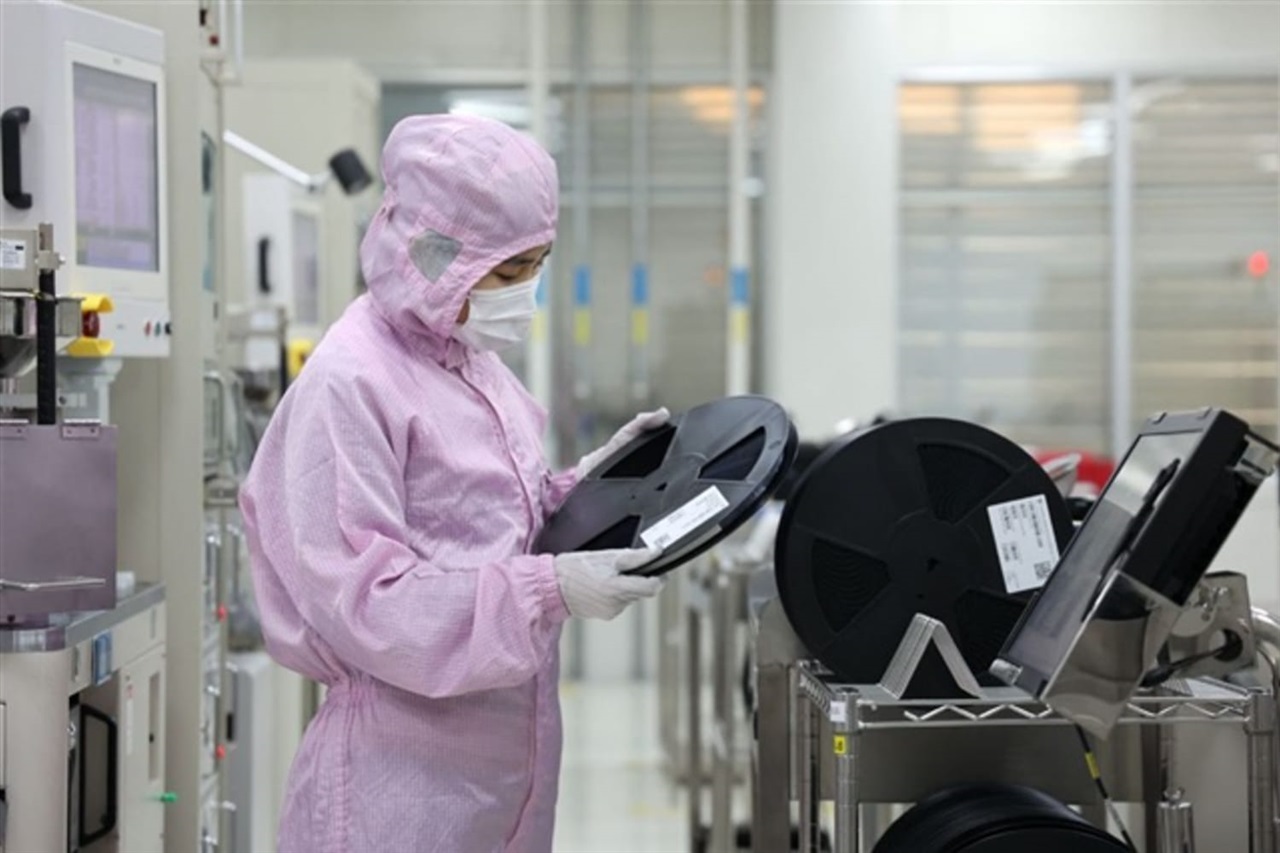
China's Ministry of Industry and Information Technology (MIIT) and National Development and Reform Commission…
Expanse has secured $5.3 million in seed funding for AI infrastructure software that predicts the exact GPU, C…
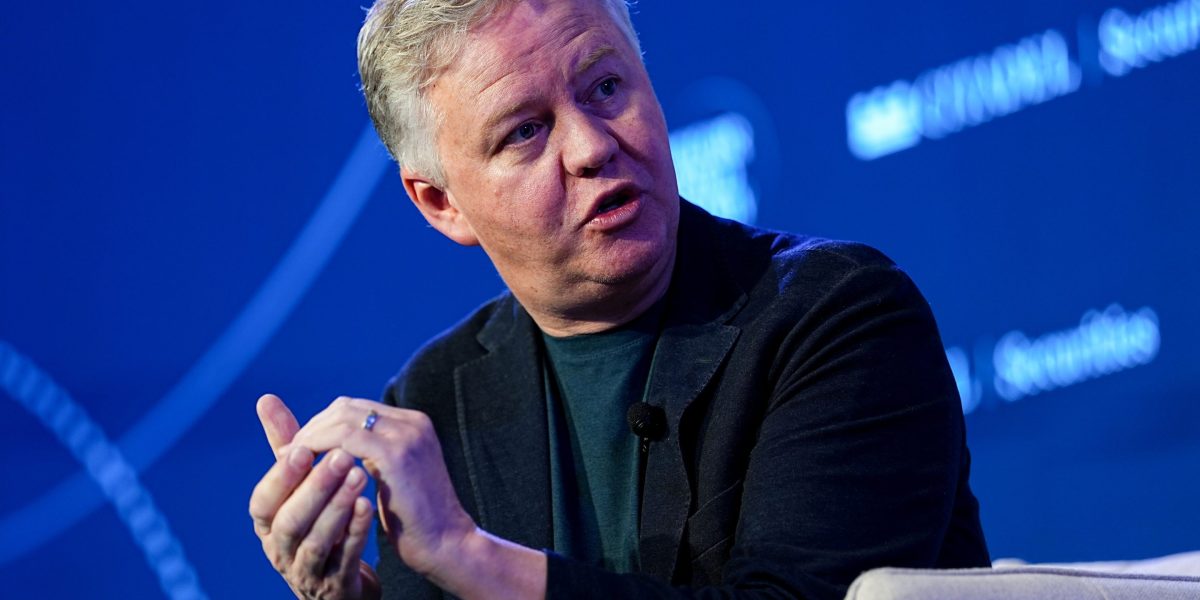
Cloudflare CEO Matthew Prince says bot requests hit almost 60% of web traffic in May, and Cloudflare this week…
Anthropic CEO Daniel Amodei called for slowing the pace of AI development, and Kioxia Holdings shares briefly…
Doosan committed KRW968 billion to expand high-end copper-clad laminate (CCL) production in South Korea and Ch…
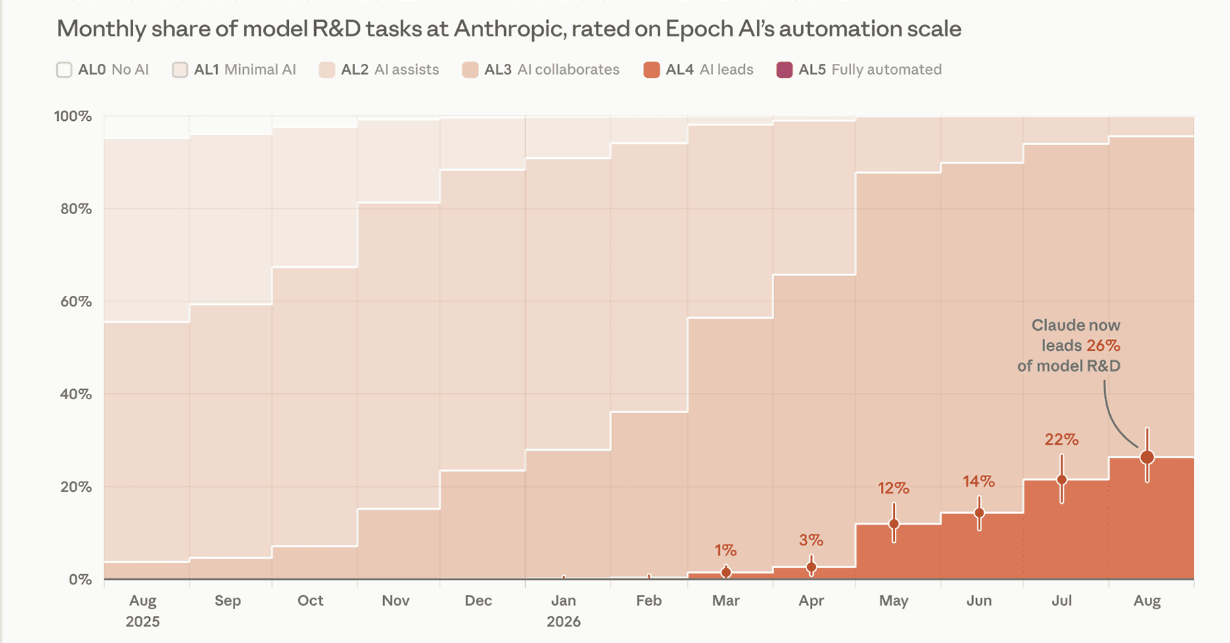
Anthropic Institute said that as of August, 26% of its AI research and development work was almost entirely do…