
What happened
Kinney Drugs is pulling back its AI assistant Burt, which the Vermont pharmacy chain introduced in May to handle prescription calls and refills. Customers reported incoherent calls, wrong dosages, and missed prescription notifications. The company will return incoming patient calls to a touch-tone phone system, though Burt will continue handling outbound prescription refill texts with customer opt-in.
Why it matters
The rollback highlights the gap between technical compliance and user experience in healthcare AI. President John Marraffa acknowledged the company "did not" get the experience right, despite Burt meeting HIPAA privacy standards. Patients' trust in AI-assisted healthcare depends not just on security, but on reliability — a lesson relevant to any business deploying AI to handle sensitive customer interactions.
What to watch
Kinney Drugs will retain Burt for outbound text notifications (prescription refills) but only to customers who explicitly opt in. The company's pivot from inbound to outbound, combined with opt-in requirements, reflects how businesses may need to reset customer expectations around AI in regulated industries.
Summaries like this, in your inbox every morning.
Kinney Drugs' decision to roll back Burt underscores a persistent challenge in AI deployment: technical correctness does not guarantee user satisfaction. The assistant met HIPAA compliance standards and did not expose health data through an open-source system, yet customers experienced failures in the core tasks—accurate dosage communication, reliable notifications, and clear phone interactions. President John Marraffa's public acknowledgment that the company "did not" get the experience right signals a shift in how pharmacy leadership now evaluates AI: security and privacy are table stakes, not a sufficient condition for launch or continuation.
The move to retain Burt only for opt-in outbound messages reflects a narrower, lower-stakes use case. Text notifications about prescription refills are less time-sensitive and less likely to cause harm if miscommunicated than inbound pharmacy calls about dosages or refill status. By requiring explicit opt-in, Kinney Drugs also transfers decision-making back to the customer—a practical hedge against future complaints.
Pick your industry and the AI tools you use, and get news related to your work every day.
Free · 30 seconds with Google · unsubscribe anytimeWhat is AIToday? →
Ask AI anything about this article. The AI reads this article, earlier AIToday articles, and Wikipedia, and cites its sources. Q&As are published on this page for other readers too.
ElevenLabs completed a $300 million employee tender at a $22 billion valuation, and co-founder Mati Staniszews…

On October 15, OpenAI announced the Rosalind Academic Plan, giving approved US university labs free access to…
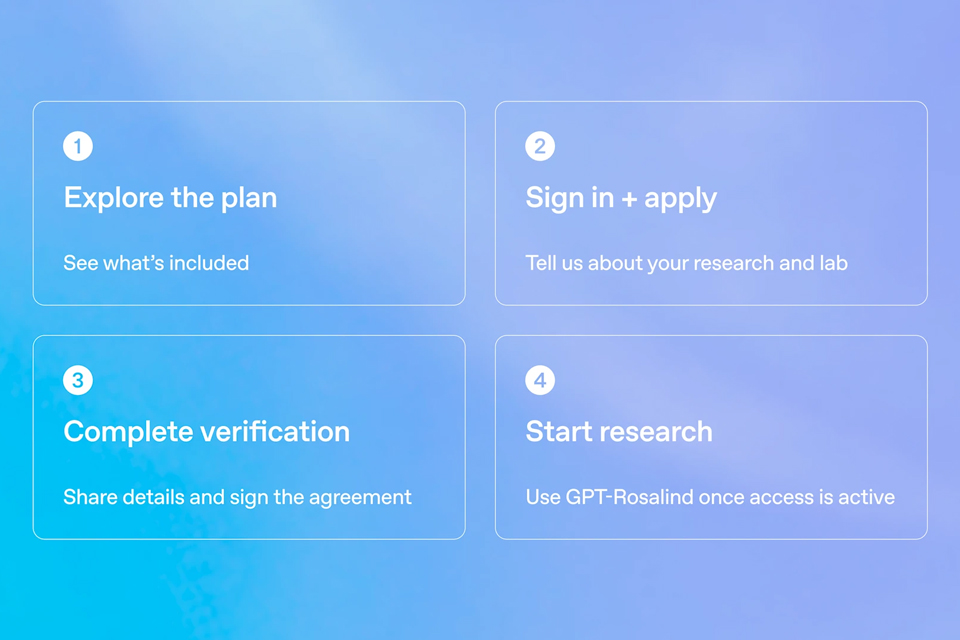
A Qiita article compared automated red-teaming methods for LLM apps — GCG, PAIR, and TAP — using mock implemen…

Liquid AI released d1-ultra on October 15, 2026, an upgraded open-weights decision model that averaged 76.7 ac…
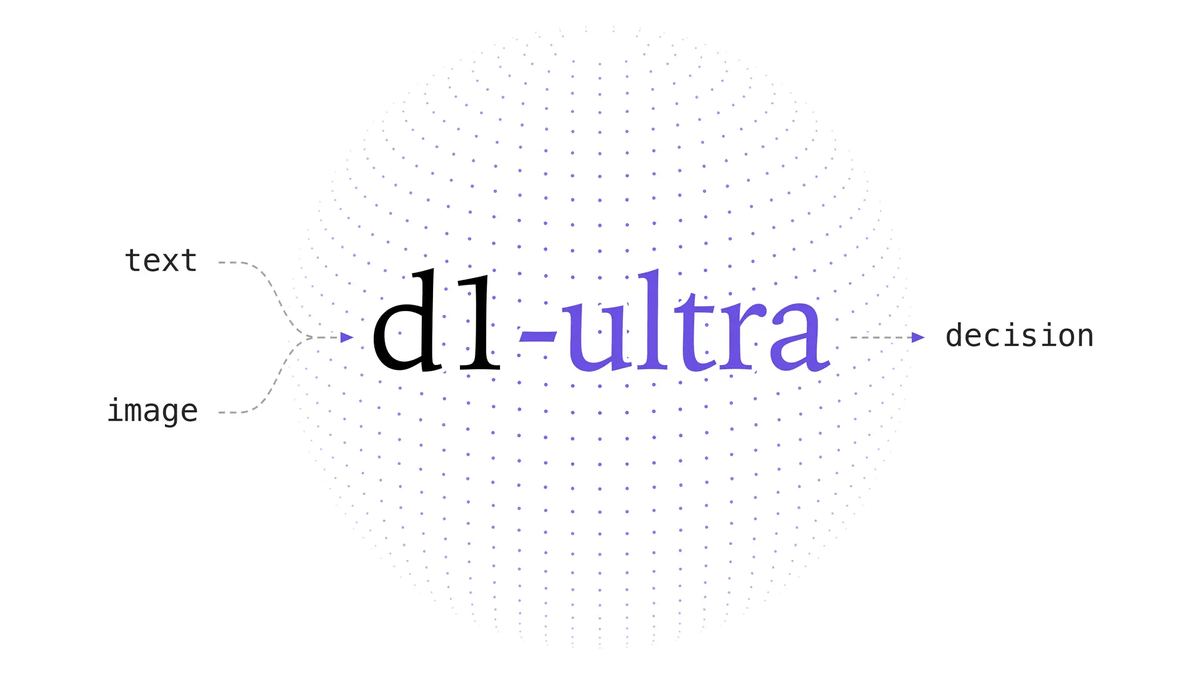
Circlia started a proof-of-concept for TASTE SIGNAL: visitors to Holland Village Cafe FUKUOKA taste cookies an…
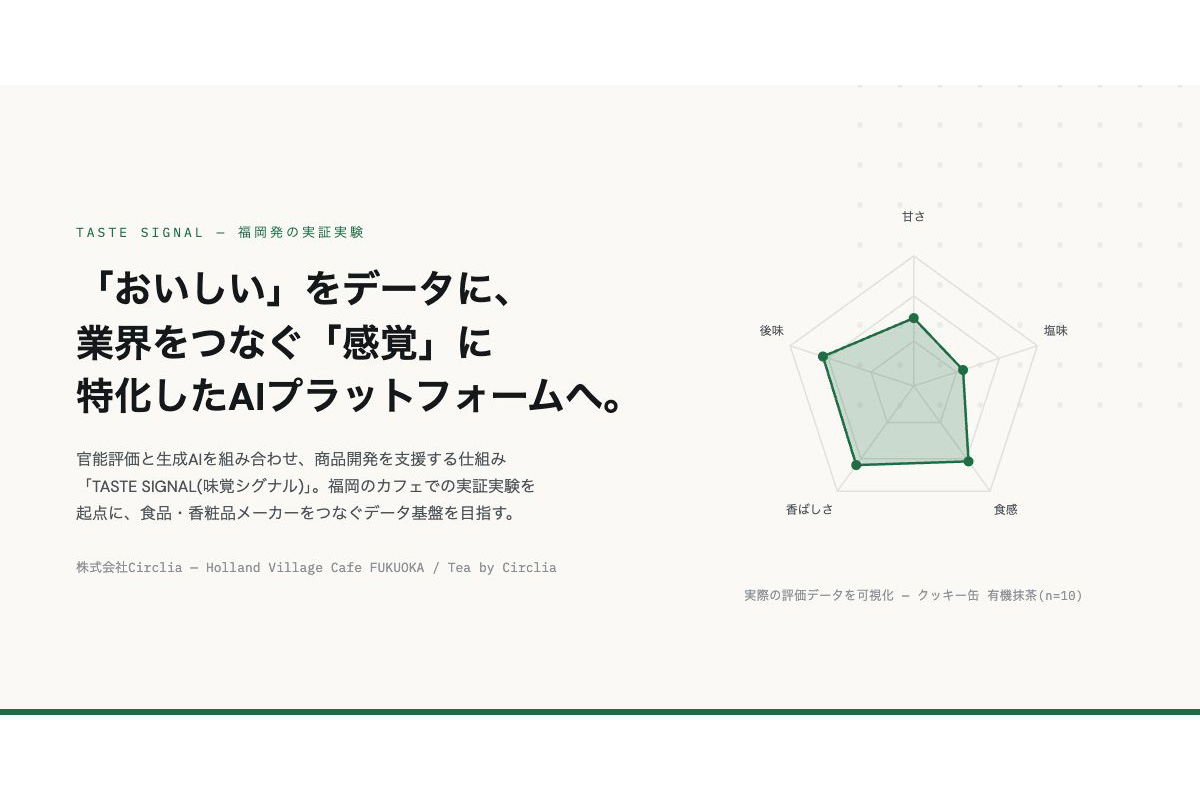
In a webinar hosted by French Mathematical Society president Isabelle Gallagher, Fields Medal winner Hugo Dumi…

