What happened
AWS announced new Ray capabilities on Amazon SageMaker HyperPod, integrating Ray with HyperPod's infrastructure for foundation model training and serving. Data scientists can now create Ray clusters, open dashboards, and submit jobs from SageMaker Studio without writing Kubernetes manifests.
Why it matters
This simplifies Ray on Kubernetes by removing manual steps like YAML writing and dashboard setup. It adds automatic fault tolerance, hung job detection, and tiered checkpointing for resilient training, plus faster recovery for large models.
What to watch
The integration uses open-source KubeRay and standard Ray APIs, so existing scripts run without modification. Users can access the Ray Dashboard and Grafana dashboards securely from anywhere via IAM-authenticated endpoints.
Summaries like this, in your inbox every morning.
This launch addresses the operational overhead of running Ray on Kubernetes by embedding management into SageMaker Studio. Previously, data scientists had to handle YAML, Docker rebuilds, and observability setup manually. Now, the HyperPod Observability add-on automates metric collection and provides four pre-built Grafana dashboards, reducing setup time.
The resilience features are notable for large-scale training. Automatic node recovery and tiered checkpointing help jobs continue despite hardware failures, and hung job detection prevents wasted GPU hours. These capabilities are designed to work with existing Ray code, easing adoption.
For inference, SageMaker JumpStart integration loads model weights directly into Ray Serve endpoints, and KV cache offloading to tiered storage supports long-context requests. This could benefit teams deploying large language models, though the post focuses on technical capabilities rather than performance metrics.
Pick your industry and the AI tools you use, and get news related to your work every day.
Free · 30 seconds with Google · unsubscribe anytimeWhat is AIToday? →
Ask AI anything about this article. The AI reads this article, earlier AIToday articles, and Wikipedia, and cites its sources. Q&As are published on this page for other readers too.
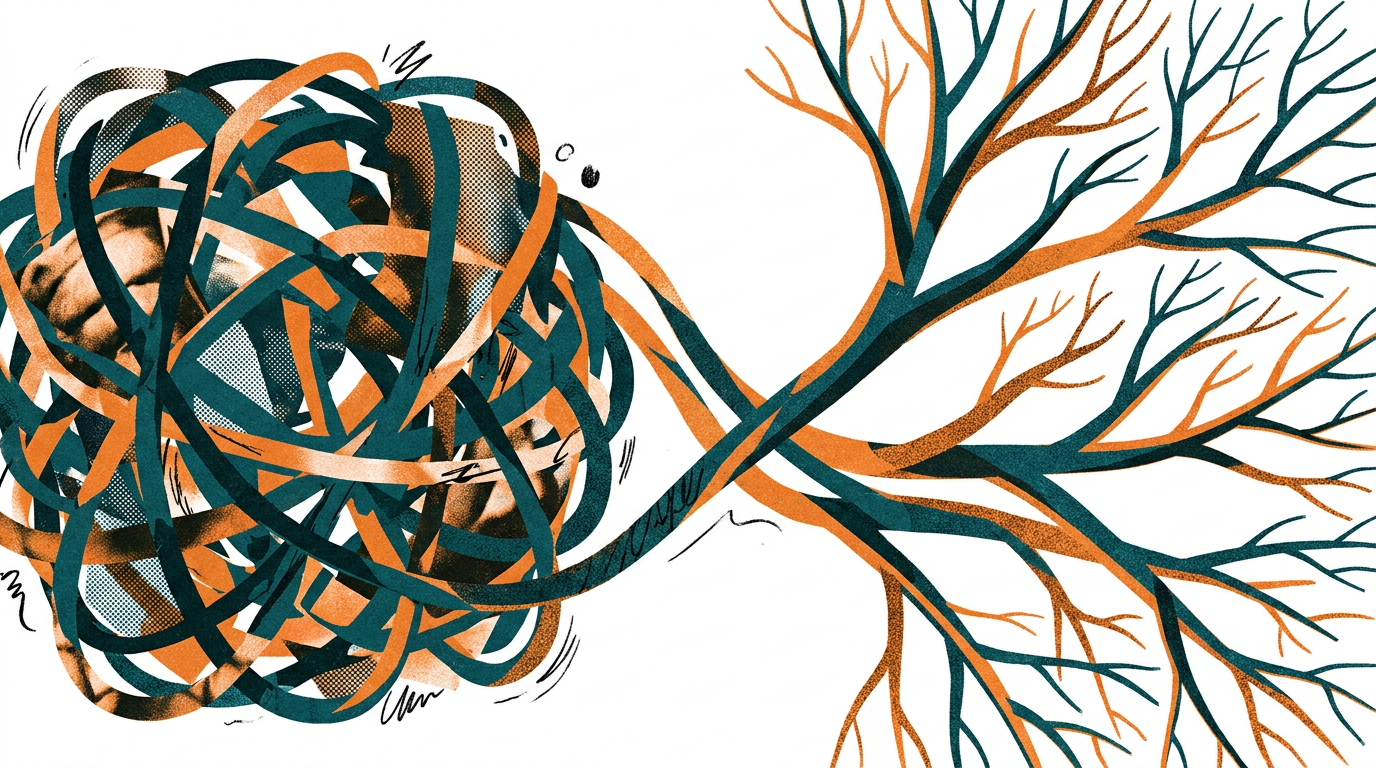
Cammarata reinterprets InceptionV1's cat-car neuron as a V-shape detector, not two unrelated concepts
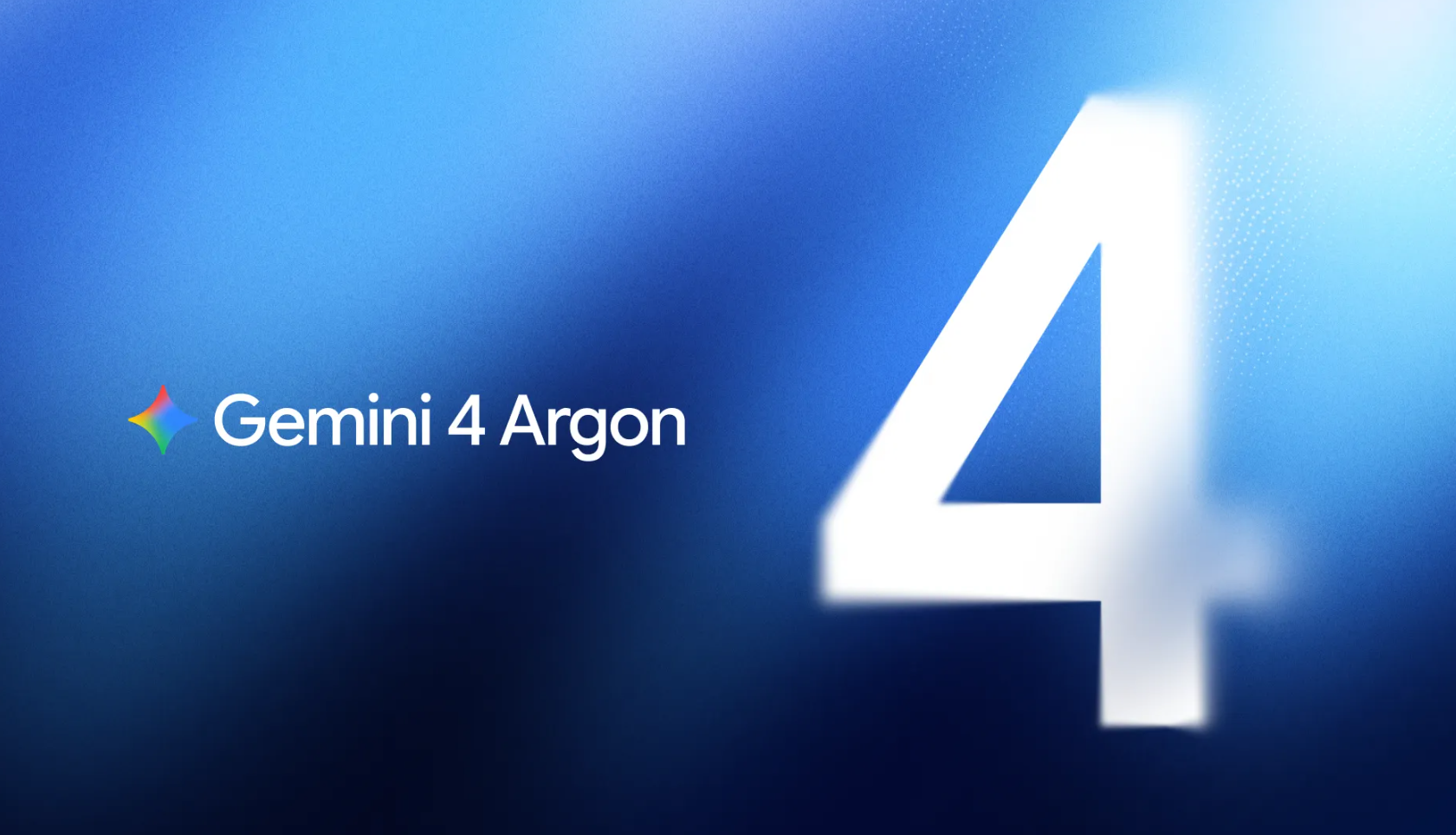
Google Deepmind's Gemini 4 Argon scored 97.5 percent on ARC-AGI-3 at a cost of $4,800, second only to GPT-6 As…
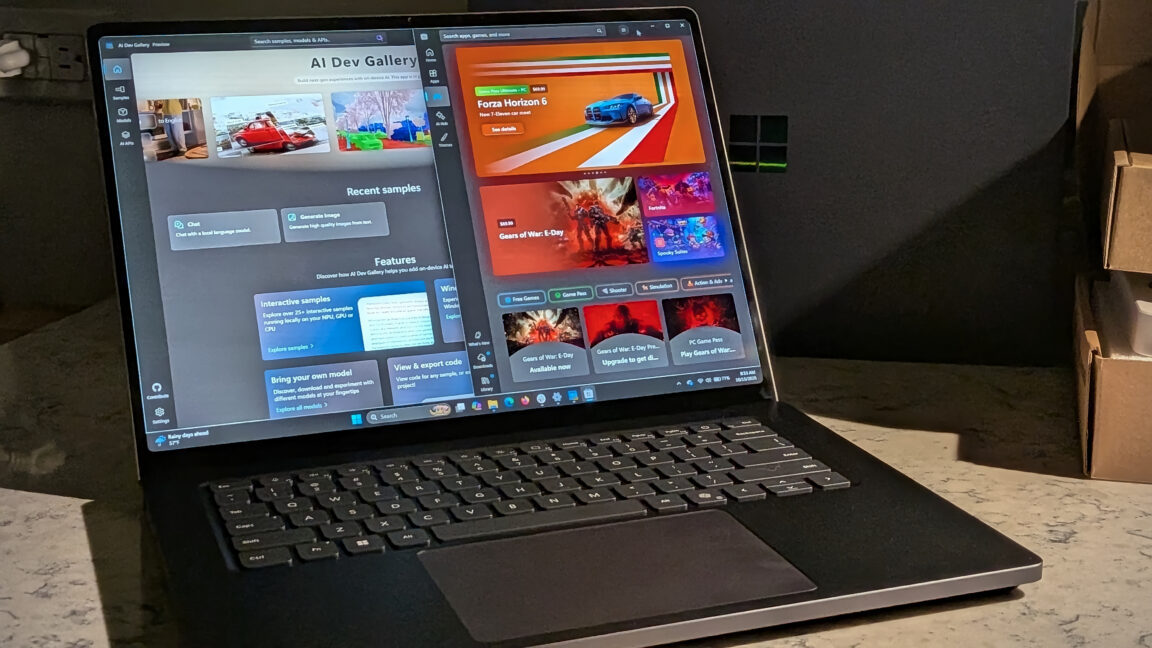
Microsoft's Surface Laptop Ultra, using Nvidia's RTX Spark platform, starts at $2,599 (up to $5,899)
Meta's new commercial terms, effective October 30th, appear to let it crawl and train AI on content from websi…
Vercel data published Thursday shows TypeSafe AI's Jev, a lightweight decision model for choosing among predet…
Reflection AI introduced Beam, an open-weight model for agentic coding and long-horizon tasks, with 501 billio…