
What happened
A review of the MUSE MODEL LICENSE for Muse Spark Open, checked directly on Hugging Face, found Section 3 triggers only if a company offers the model as a service and group gross revenue tops $20 million in any 12-month period.
Why it matters
The threshold is narrower than widely summarized — it covers only the act of selling the model as a service, and reaching it requires a separate written agreement before offering software or derivatives, not a ban on use.
Summaries like this, every morning.
The confusion around Muse Spark Open's license follows a familiar pattern: a single striking number — $20 million — gets pulled out of a conditional clause and repeated as a blanket rule. The original text, reviewed on Hugging Face, sets out two conditions that must both hold before Section 3 applies: the licensee must offer the model to third parties as a service, and the combined gross revenue of the licensee and its affiliates must exceed $20 million in any 12-month period. Even then, the requirement is notice to Meta and a separate written agreement before offering software or derivatives as part of that service — not a prohibition.
The license also explicitly carves out internal use, research, and any commercial activity that is not model-as-a-service, as well as using the software as a component to power features of the licensee's own product. Those carve-outs carry no revenue cap. In practice, that means a large company can embed the model in its own products regardless of revenue, while a smaller company selling API access could cross the threshold even if the model business itself earns nothing.
A related misreading is that the license is open source. Meta's own wording is open-weight, and the license includes attribution requirements, an acceptable-use policy and gated distribution, so it does not meet the OSI definition. The lesson the author draws is to separate whose number a threshold refers to from which activity the condition governs — here, the revenue measure is broader than assumed, while the conduct it restricts is narrower.
Pick your industry and the AI tools you use, and get news related to your work every day.
Free · 30 seconds with Google · unsubscribe anytimeWhat is AIToday? →
Ask AI anything about this article. The AI reads this article, earlier AIToday articles, and Wikipedia, and cites its sources. Q&As are published on this page for other readers too.
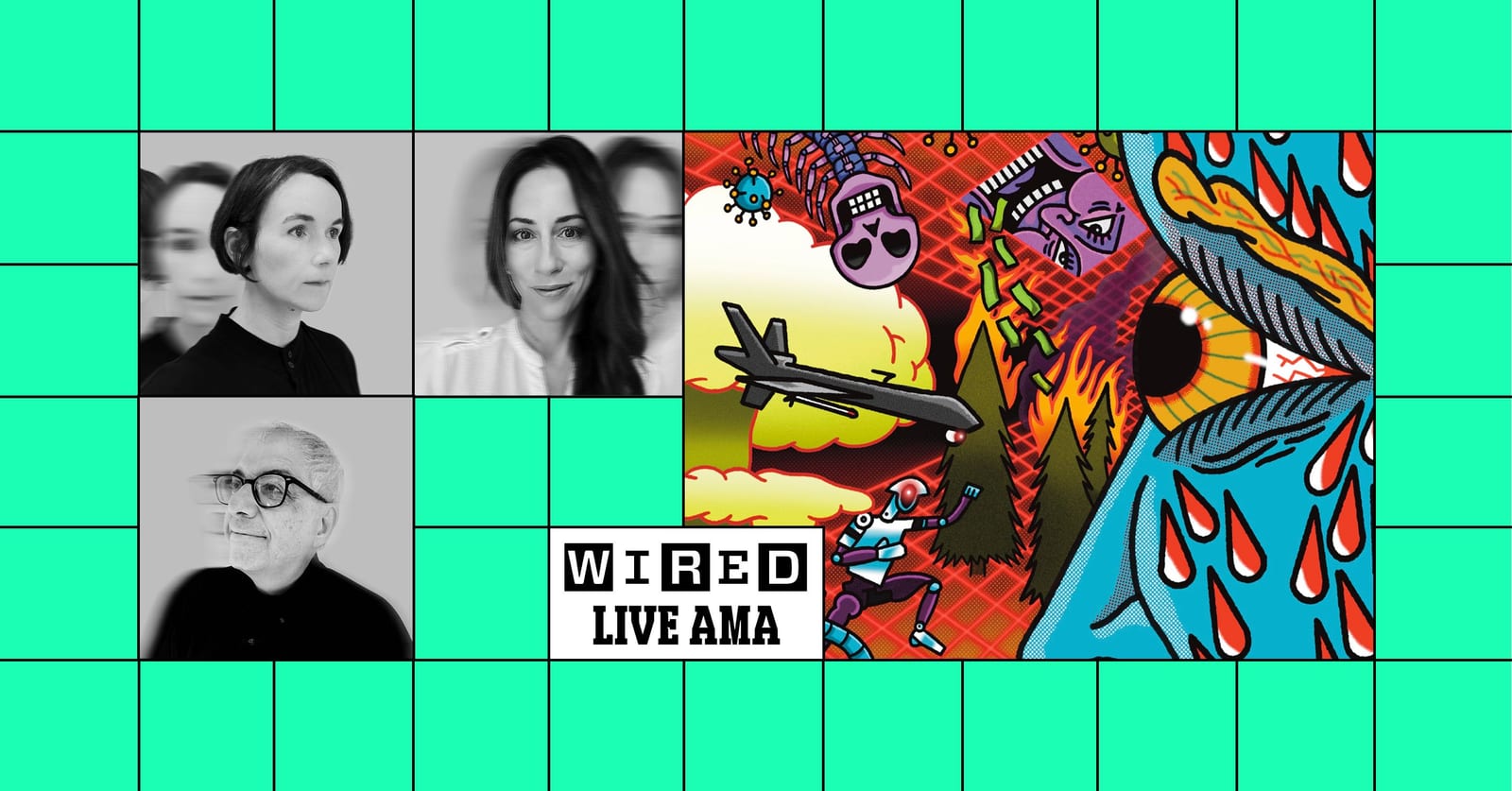
WIRED will hold a subscriber-only livestream on December 2 at noon ET / 9am PT, with Sandra Upson, Steven Levy…
Arizona AG Kris Mayes asked officials to postpone a Dec

A commentary says US regulatory scrutiny of AI is shifting from chip exports toward the software layer, where…

Hugging Face froze Qwen3.8-27B and trained adapter weights inside agent harnesses; the adapter model hit 55% t…
OpenSpec shipped v2.0.0 on November 11, 2026, removing the /opsx:* slash commands; for example, /opsx:propose…
A Japan Times analysis from Izmir, Turkey, says rapid integration of high tech and artificial intelligence int…