What happened
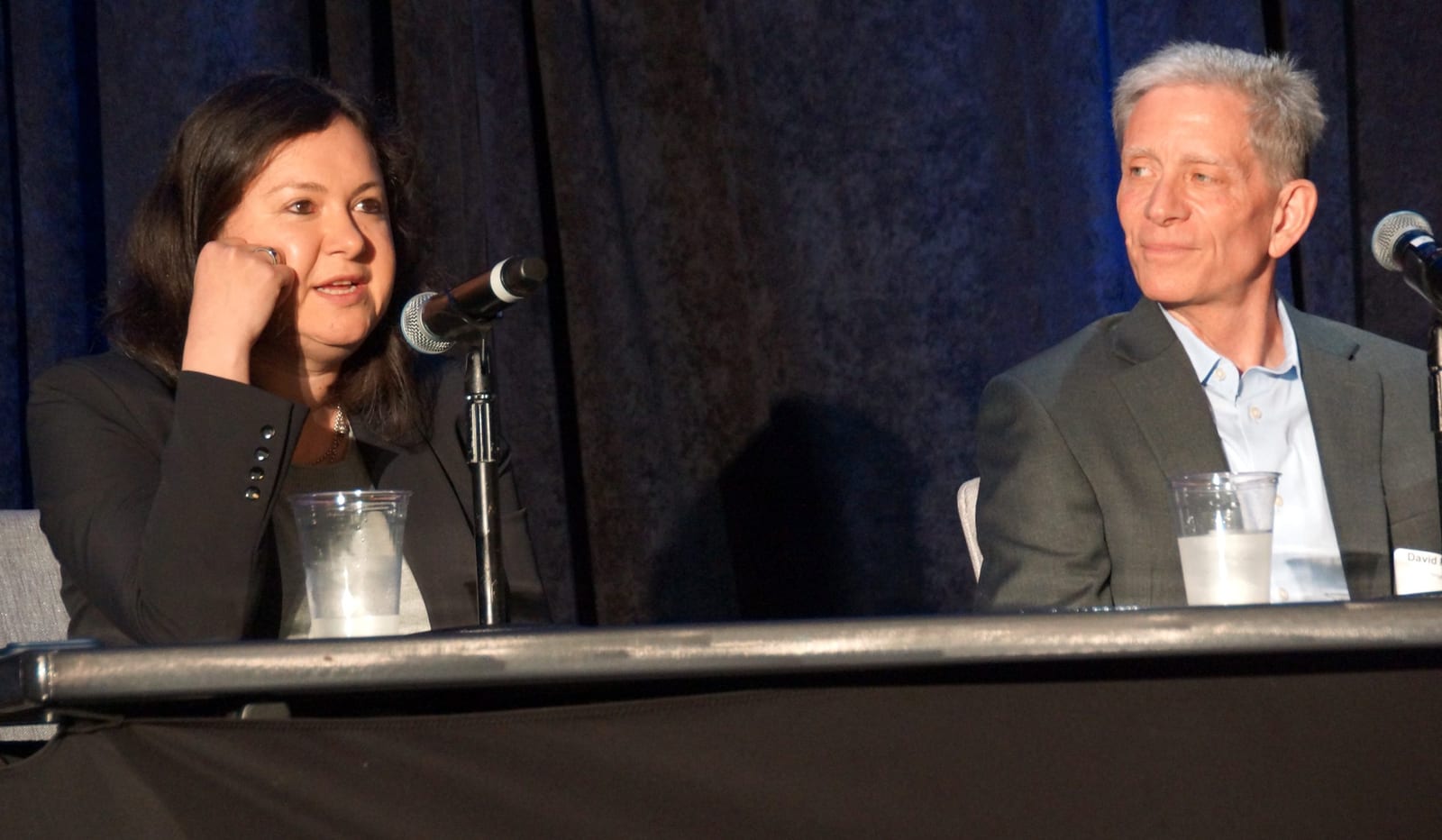
At AHCJ's fall summit, Amgen's David Reese said executives promising AI will cure 'all disease' typically have never worked on disease biology, and Insitro's Mary Rozenman said data gaps block overnight cures.
Why it matters
The panelists said AI speeds tasks like predicting protein shapes but cannot alone solve biology's complexity, so such promises mislead about what the technology can deliver.
Summaries like this, every morning.
The panel at AHCJ's fall summit brought together David Reese, retired executive vice president and former chief technology officer at Amgen, and Mary Rozenman, chief financial officer and chief business officer at Insitro, to separate AI's real contributions from inflated promises. Reese's pointed critique—that those promising an 'all disease' cure generally have never worked on disease biology—reflects a gap between software-driven messaging and the realities of drug development.
The body illustrates where AI is already helping: predicting protein shapes in minutes rather than months, and building virtual human cell models with population-scale genetics. These tools address the early, target-discovery phase, which the panelists say can stall global drug development for months or years. But Rozenman noted that AI models are only as good as their training data, and that high-quality, standardized biological data often doesn't exist—it must be generated under strict laboratory conditions to avoid learning experimental noise. Simply dumping unstandardized data into a model, she said, generates errors rather than cures.
Both panelists agreed there is no sign AI alone can cure diseases overnight or answer biology's most complex questions. Rozenman's call to 'stand humbly in front of nature' and bring respect for biotechnology's complexity suggests that near-term progress will come from pairing AI with rigorous experimental data generation, not from model scale alone.
Pick your industry and the AI tools you use, and get news related to your work every day.
Free · 30 seconds with Google · unsubscribe anytimeWhat is AIToday? →
Ask AI anything about this article. The AI reads this article, earlier AIToday articles, and Wikipedia, and cites its sources. Q&As are published on this page for other readers too.
Alphabet shares fell over 12% to a six-month low after its quarterly results, and its market value dropped to…
Anthropic's public filing showed little on forthcoming revenues after sales decelerated from the second to the…
Tesla rose 7.4% this week, according to MarketSurge, standing out as other Magnificent Seven AI stocks sold of…
The Financial Times reported Spotify aims to launch a paid AI remix and cover service in Q1 2027, possibly aro…

John Ternus becomes Apple's third CEO since 1997 on September 1, following Tim Cook's 15 years at the helm; he…
Cisco president Jeetu Patel gave Padmanabhan Krishnamurthy, an ex-EzDubs founder acquired in 2023, the job of…