
What happened
Qualcomm declared a quarterly cash dividend of US$0.92 per common share, payable September 24, 2026, to shareholders of record as of September 3, 2026. The company is also participating in Micron's new long-term automotive supply agreements, signaling a push to secure a role in AI-enabled vehicle platforms.
Why it matters
Qualcomm is working to shift from a smartphone-centric business toward AI-driven edge and automotive markets to offset handset demand cyclicality and China-related pressures. The automotive agreements with Micron show tangible progress on diversification, which investors view as critical to offsetting geopolitical and regulatory risks to its global chip and licensing business.
What to watch
Q3 2026 earnings and any signs of stabilization in handset demand are the near-term catalysts. The biggest risk remains geopolitical and regulatory pressure on Qualcomm's global chip and licensing business, including the possibility of tighter export controls and shrinking access to key Chinese customers.
Summaries like this, in your inbox every morning.
Qualcomm's dividend declaration and participation in Micron's automotive supply agreements represent two complementary signals about the company's strategic direction. The dividend affirms shareholder returns while the automotive push addresses a fundamental concern: Qualcomm's historic dependence on smartphones and China, both cyclical and geopolitically sensitive. By securing a role in AI-enabled vehicle platforms, Qualcomm aims to create a revenue stream less vulnerable to handset demand swings and Chinese market access restrictions.
The timing of these announcements matters because investors are assessing whether Qualcomm can genuinely diversify its earnings base. The automotive supply agreements with Micron provide concrete evidence that the shift is real, not just strategic talk. However, the article highlights a sharp divergence in how investors weigh this progress: optimists project $57.8 billion(約9.2兆円) revenue by 2029 on the strength of AI and automotive catalysts, while cautious analysts assume only 1.6% annual revenue growth and project US$46.6 billion(約7.5兆円) by 2029, emphasizing China and handset cyclicality as headwinds. This split reflects genuine uncertainty about whether Qualcomm's diversification can offset geopolitical risk. The near-term test is Q3 2026 earnings and any stabilization in handset demand.
Pick your industry and the AI tools you use, and get news related to your work every day.
Free · 30 seconds with Google · unsubscribe anytimeWhat is AIToday? →
Ask AI anything about this article. The AI reads this article, earlier AIToday articles, and Wikipedia, and cites its sources. Q&As are published on this page for other readers too.
CoreWeave fell 5% in premarket trading Friday and was on track to finish the week down 15%, after rebounding f…

A longtime Anthropic investor told Fortune he expects shares priced around $1.8 trillion, below the company's…

In Q2, billionaires or their funds sold six 'Magnificent Seven' AI stocks

Nvidia was rising early Friday, even as the wider chip sector kept falling, Barron's reported

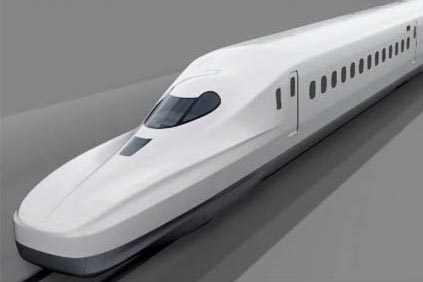
JR Central announced the S0系 on October 16, its first full model change since the N700S, with commercial servi…
TSMC reported about NT$763.1b in Q3 net profit and confirmed that demand for advanced processors is running ah…