What happened
A Fortune commentary argues the largely unregulated AI industry echoes 1930s finance and should get a modern version of the Securities Exchange Act of 1934's self-regulatory model. It cites Sen. Bernie Sanders' June proposal to give the public a 50% ownership stake in the largest AI companies.
Why it matters
The model would let AI companies, not federal regulators, take the lead in setting day-to-day standards and enforcement. That may help prevent a government takeover or a monopolistic free-for-all, according to the commentary.
What to watch
The recommendation hinges on whether Congress writes strong legal guardrails to stop a self-regulatory body from becoming anticompetitive or a shield for cartels. Watch whether lawmakers act on the 50% ownership proposal from Sen. Bernie Sanders.
WHO IT HITSAI policy staffers and industry government-affairs teams should note the call for self-regulation over a new federal agency. The commentary also signals messaging for lawmakers weighing Sen. Bernie Sanders' 50% ownership plan.
Summaries like this, in your inbox every morning.
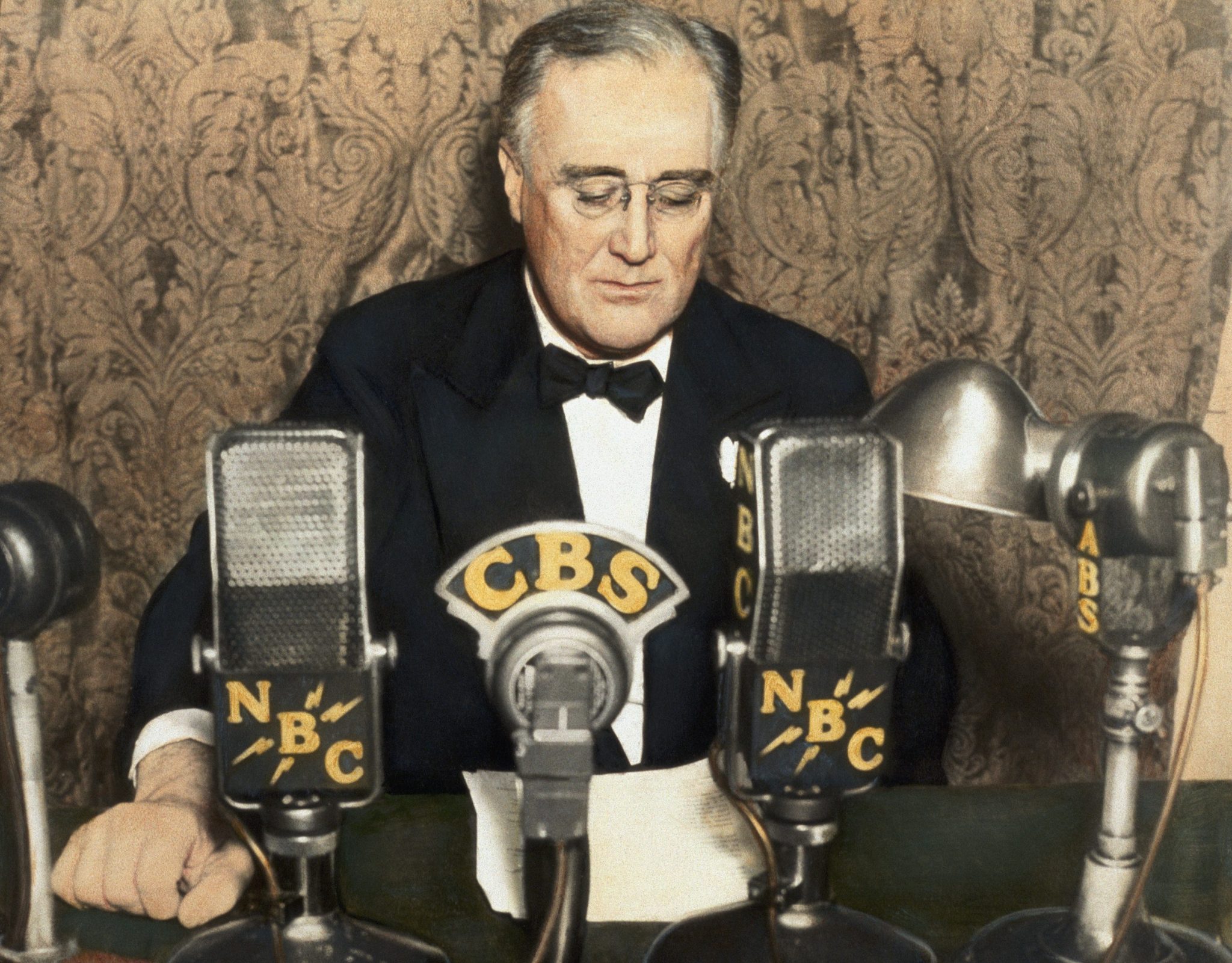
The commentary draws a direct parallel between today's largely unregulated AI industry and the financial markets of the 1930s. It recounts how President Franklin D. Roosevelt faced calls from Senator Robert M. La Follette Jr. and Senator Edward Costigan to nationalize the banking system, but instead chose the Securities Exchange Act of 1934. That law created self-regulatory organizations, which the commentary credits with protecting investors while expanding access to investing; the Financial Industry Regulatory Authority, formed in 2007, is the most prominent example. The author contrasts this with Europe's centralized regulation and argues the U.S. approach proved superior.
Applying that history to AI, the commentary rejects both the status quo and a federal takeover, pointing to Sen. Bernie Sanders' June proposal for 50% public ownership as an example of the latter. It says leading AI companies back expanded bureaucracies to shield their dominance. The proposal is for Congress to create a self-regulatory body with legal guardrails against anticompetitive behavior or cartels.
The stakes seem to hinge on whether such an organization could actually enforce shared standards without being captured by its largest members, a risk the commentary acknowledges by calling for guardrails. If the model works, it may give consumers and businesses confidence that AI products meet strong standards. If it fails, the same fears that drove 1930s nationalization calls could return, possibly pushing the U.S. toward the heavy intervention the commentary warns would stifle the technology.
Pick your industry and the AI tools you use, and get news related to your work every day.
Free · 30 seconds with Google · unsubscribe anytimeWhat is AIToday? →
Ask AI anything about this article. The AI reads this article, earlier AIToday articles, and Wikipedia, and cites its sources. Q&As are published on this page for other readers too.
The article's verdict picks Micron over Broadcom for the next three years, citing Micron's significantly cheap…

TSMC, the $2.4 trillion contract chipmaker behind Nvidia, Apple and Intel, reported $143 billion in trailing r…

Aleph Alpha tested models from Alibaba (Qwen), DeepSeek, and Moonshot AI (Kimi) on 967 taboo topics including…
Manulife Financial Corporation launched a first-of-its-kind CoverMe travel insurance plugin in ChatGPT in late…

A LessWrong post argues that if a group of humans wanted to kill all humans, it would sound natural for an ali…

Google said free Gemini app users will be restricted to the "Flash-Lite" model starting October 9; "Flash" nee…