AWS unveiled Amazon Quick, a desktop application for personal productivity tasks like creating presentations and arranging meetings, along with three new Connect applications for specialized fields including hiring, healthcare, and supply-chain management. Quick will be available to both AWS and non-AWS customers with free and premium tiers.
AWS announced a partnership with OpenAI that allows AWS business customers to integrate OpenAI's GPT models and Codex coding tool directly into their products, ending OpenAI's exclusive availability through Microsoft's cloud. The partnership includes a revenue share, though financial terms were not disclosed.
AWS CEO Matt Garman framed the move as addressing a "huge business opportunity" driven by agentic AI (AI systems that make autonomous decisions to complete tasks), stating "everything is going to be remade" across applications. He noted that personal productivity software has not been substantially updated in the last 30 years.
AWS revenue rose 20% to $128.7 billion in 2025 with operating income of $45.6 billion last year. Amazon plans $200 billion in capital expenditures this year, up more than 50% from its $131 billion in 2025 capex.
Ask the AI about this article →
For example, today's edition would include:
AI-summarized, only the topics you pick — one digest a day via Email, Slack, or Discord.
Free · takes 30 seconds · unsubscribe anytimeWhat is AIToday? →
Ask AI anything about this article. Q&As are published on this page for other readers too.
Goldman Sachs, Morgan Stanley and Citigroup are pressing elite law firms to lower fees, arguing AI is sharply…

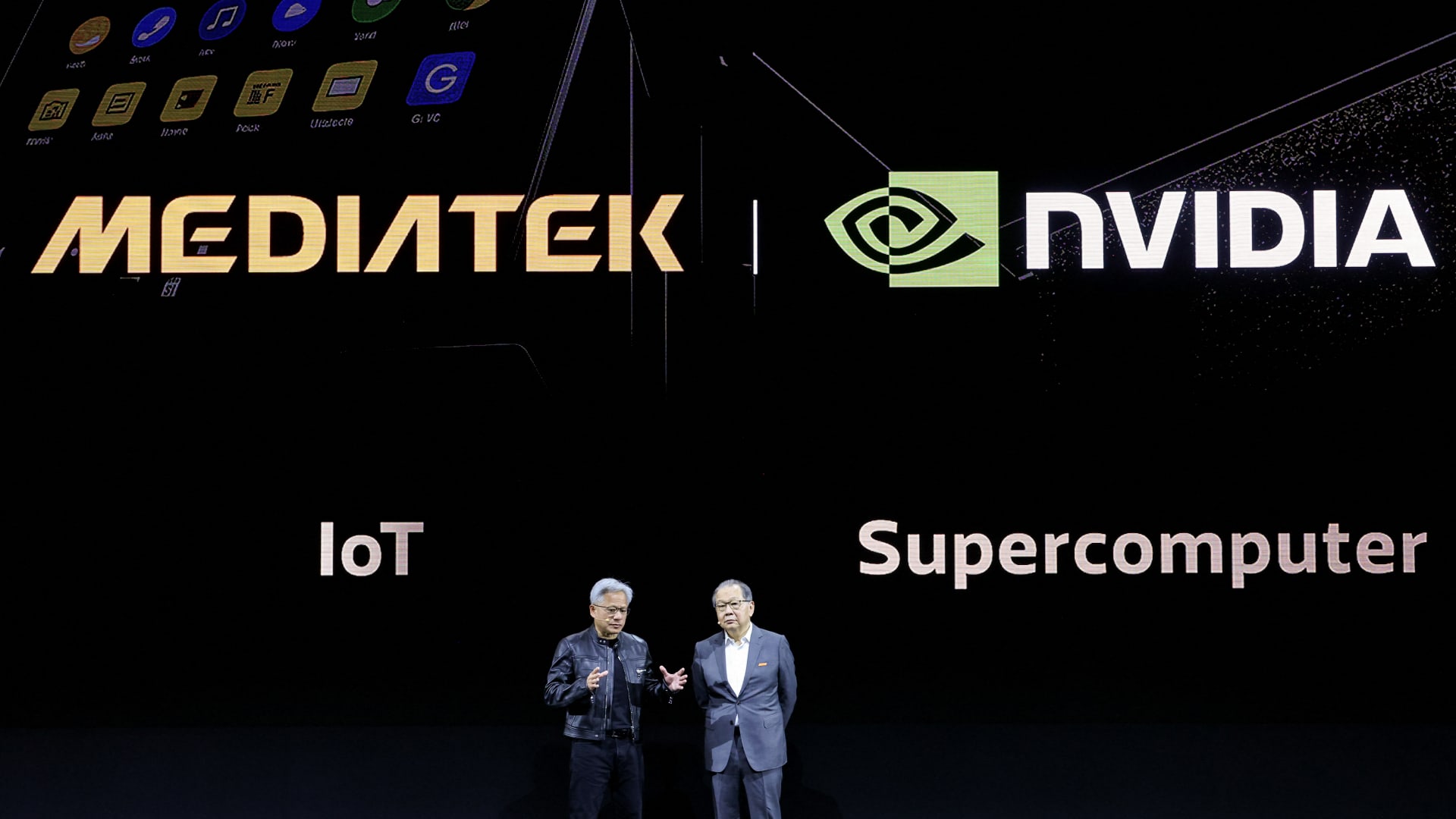
MediaTek shares closed 10% higher on Tuesday after the Taiwanese chip firm announced a partnership with Nvidia
Dell raised its annual revenue outlook, citing strong sales of AI servers

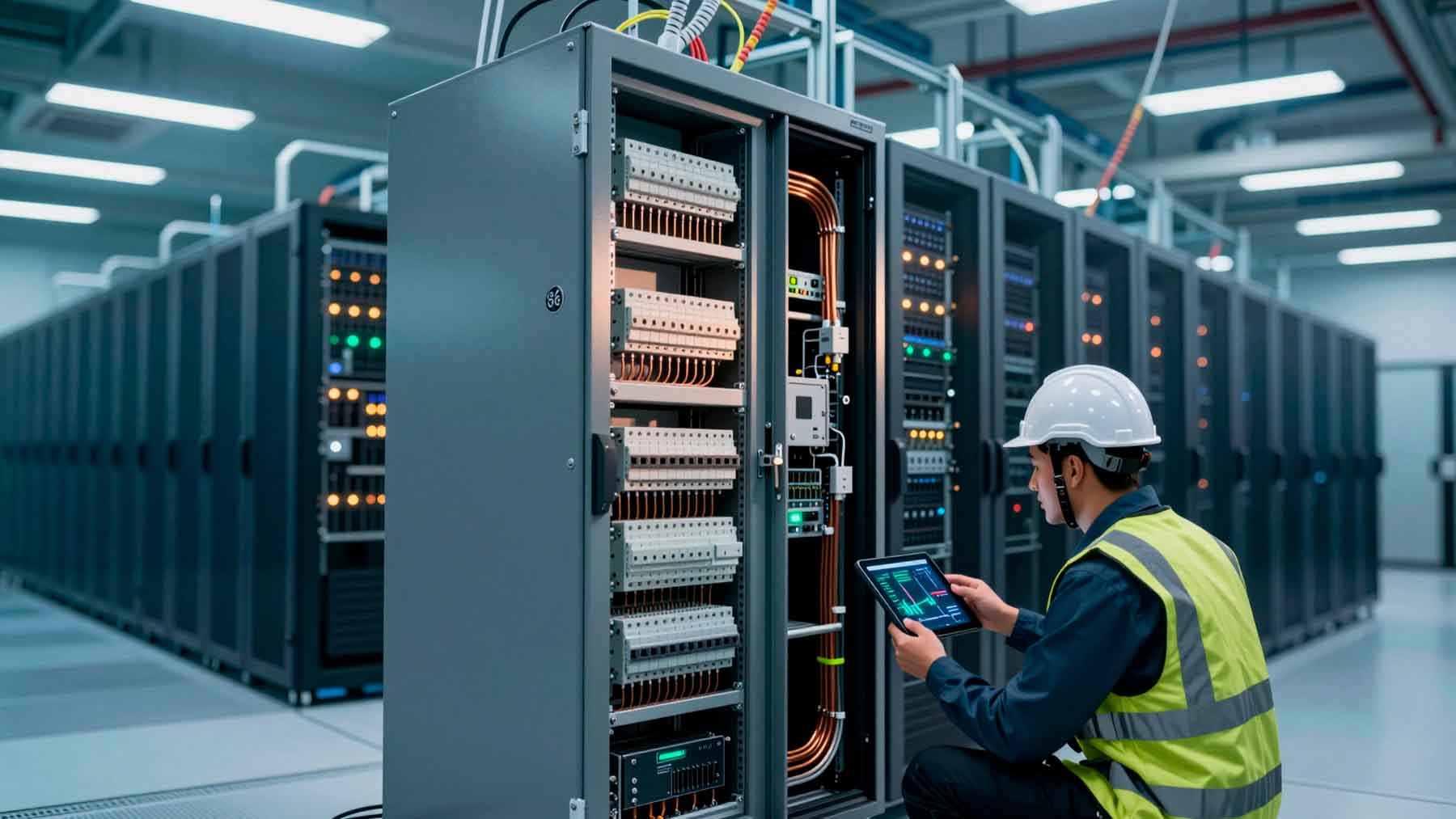
GE Vernova (NYSE: GEV) announced on August 24, 2026, in Paris, a new medium-voltage uninterruptible power supp…
Oracle (ORCL) stock is down 4% to $142.82 in Tuesday afternoon trading, after the 10-year Treasury yield climb…

Tesla's investments in AI startups lag far behind its Magnificent Seven peers