What happened
History professor Mark Humphries reported that GPT-6.2 Astra, with minimal prompting, autonomously identified the creator of an anonymous 1808 sketchbook at Yale's Beinecke Library in 22 minutes using public sources.
Why it matters
The episode suggests AI agents may soon handle research tasks that human historians cannot, raising questions about how the field responds, Humphries wrote, though he expects the disruption to be milder than in mathematics.
Summaries like this, every morning.
The sketchbook case study, reported by historian Mark Humphries, illustrates how an AI agent moved from a hunch to a verifiable attribution. Astra located a diary reference to a visit by the vicomte de Chabot dated five days before a date mentioned in the sketchbook at a nearby river. It then predicted that Chabot's journal of his travels, available only by order from Cleveland State University, would confirm the hypothesis if examined. When checked, it did. Humphries notes that this source is itself a major find of interest to both Canadian and fur trade historians.
Humphries frames the result against the experience of mathematics, where AI systems have already prompted a reckoning. He anticipates a similar but milder crisis of confidence for historians sometime next spring or summer. His reasoning is that history, unlike math, does not chase a single universal truth; historians reinterpret the past as the present evolves, and their books and articles sit closer to philosophy and literature than to scientific tracts. On his account, humanity remains a requirement for producing historical literature.
The broader question the case raises is how quickly agentic systems will be adopted in archival research, and whether Humphries's predicted timeline holds.
Pick your industry and the AI tools you use, and get news related to your work every day.
Free · 30 seconds with Google · unsubscribe anytimeWhat is AIToday? →
Ask AI anything about this article. The AI reads this article, earlier AIToday articles, and Wikipedia, and cites its sources. Q&As are published on this page for other readers too.
FastMetal began offering Gemini 4 Neon and Inkling 2 Small on November 24, 2026
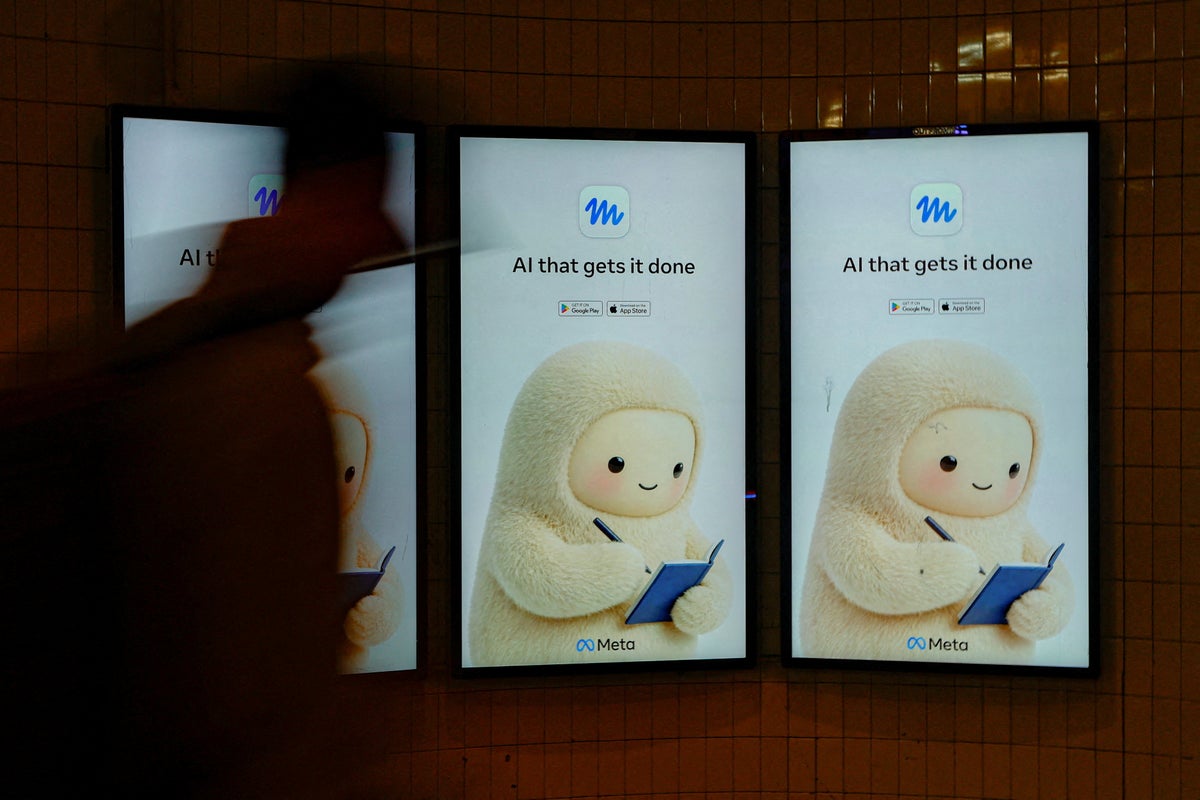
Meta launched Muse, an AI agent that organizes meetings and handles shopping, in the UK with Marks & Spencer a…
Guodong Zhang and fellow xAI founding members Zihang Dai and Manuel Kroiss publicly launched Epochal on Nov 24…

Anthropic researchers developed Siren, a honeypot that puts AI agents in one of 26 simulated sandboxes with de…
Meta announced Tuesday that Instagram users can chat with its AI agent Muse in a DM thread, for context on pos…

Pinterest said this week that parents can now control how much AI-generated content their children see, alongs…