What happened
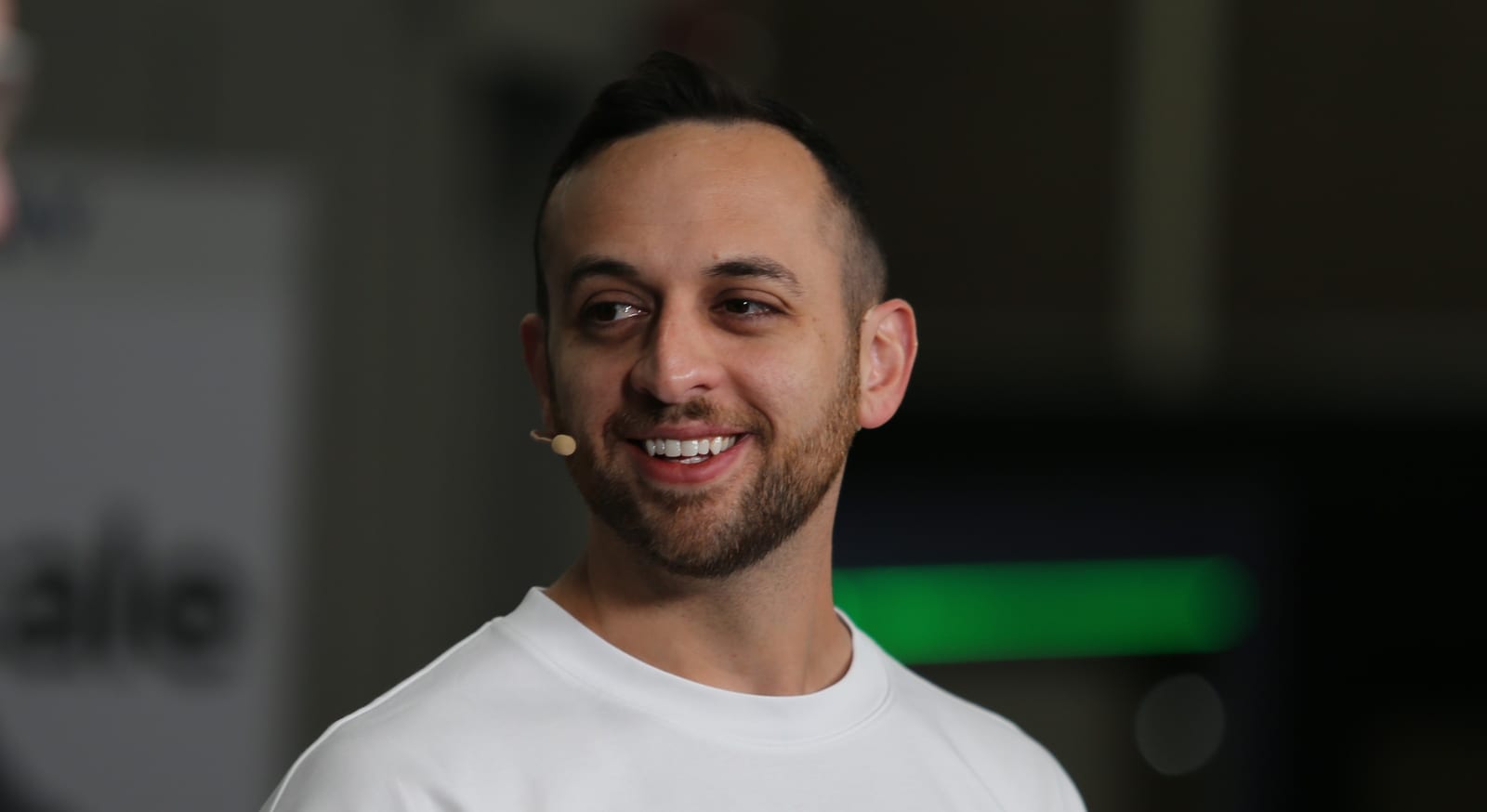
ScaleOps Inc. founder and CEO Yodar Shafrir said at KubeCon + CloudNativeCon NA that agents crash due to insufficient resources 80% more often than traditional microservices, and that ScaleOps adjusts allocations in real time.
Why it matters
Static resource settings either waste money or fail under agent spikes, so autonomous orchestration that responds in real time is presented as the workable model for keeping agent workloads reliable.
Summaries like this, every morning.
Shafrir's argument at KubeCon + CloudNativeCon NA hinges on how agents differ from traditional microservices. An agent waits for a human or another agent, checks with a large language model, then runs its task in a burst, so teams must provision for the highest spike while the agent holds its memory the whole time. When resources fall short, a crashed step has to rerun and burns tokens all over again.
ScaleOps' response is to make resource decisions in real time, adjusting allocations, replicas and node placement for every application, agent and Model Context Protocol server. The company has also added a capability that lets other workloads use an agent's resources while it sits idle, and it uses memory swap so an agent gets memory only when it needs it.
Shafrir frames the shift as a break from past practice: humans and traditional scaling capabilities are too static and require manual configuration for today's dynamic workloads. Adobe Inc. and Salesforce Inc. are cited as customers that build trust by first running the platform in read-only mode on their hardest environments.
Pick your industry and the AI tools you use, and get news related to your work every day.
Free · 30 seconds with Google · unsubscribe anytimeWhat is AIToday? →
Ask AI anything about this article. The AI reads this article, earlier AIToday articles, and Wikipedia, and cites its sources. Q&As are published on this page for other readers too.
Tricentis's Quality Transformation Report 2026 found 60% of companies globally and 65.6% in Japan deploy untes…

At Microsoft Ignite 2026, Microsoft announced MAI Code 2, which reaches 98% of GPT 6.1 Sol's and 96% of Claude…
Jordan Belfort's AI voice startup Tone has brought in about $1 million in revenue and targets $20 million to $…
Microsoft introduced Copilot Workspaces, a collaborative space in its Frontier early-access program where Word…
Earlier in November, Meta chief AI officer Alexandr Wang shared an AI-generated clip on Instagram promoting Mu…

At a roundtable after his Microsoft Ignite keynote at San Francisco's Chase Center, Satya Nadella said he is "…