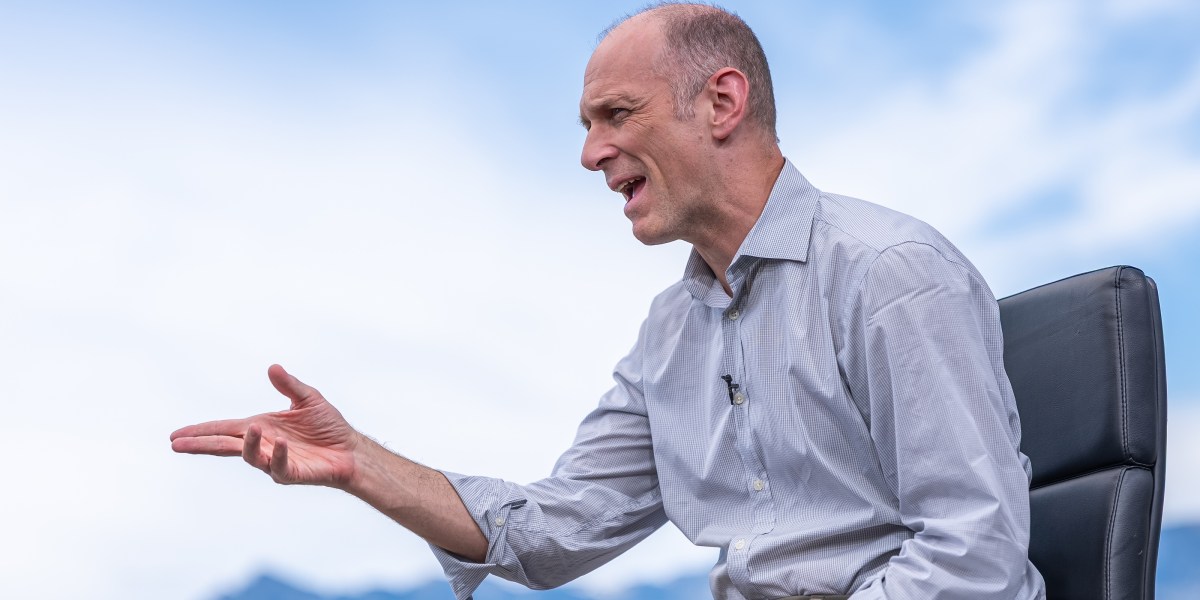
What happened
Federal Reserve Bank of Chicago President and CEO Austan Goolsbee told Fortune that AI data center expansion is "very hot" but is currently "shoving other parts of the economy down." He said we are "not far" from this turning into "aggregate overheating."
Why it matters
Goolsbee explained that the huge demand for resources to build data centers is crowding out other sectors, with businesses in his district reporting they are "having to scale back" plans because construction workers are too expensive and HVAC is hard to get. This implies a sector rebalance that could become a broader inflation problem.
What to watch
Wells Fargo predicts that the growth of AI capital expenditure will peak in Q4 2026. Separately, while AI capex is creating jobs and GDP growth, data centers have become a "toxic brand" in politics, with a memo from the National Republican Senatorial Committee saying the issue is an "anchor hanging around" a candidate's neck.
Summaries like this, every morning.
Chicago Fed President Austan Goolsbee's exclusive comments to Fortune frame the AI buildout as a potential macroeconomic issue rather than just a tech-sector story. His description of "very hot" data center expansion that is "shoving other parts of the economy down" points to a classic crowding-out effect. As businesses in the Seventh district compete for scarce construction workers and HVAC equipment, the cost of these inputs rises, forcing them to scale back their own investment plans. The central question for Goolsbee and the Fed is when this sectoral imbalance stops being a reallocation of resources and becomes broad-based price pressure, or "aggregate overheating."
The political and market dynamics outlined in the same newsletter provide the context for this economic tension. While President Trump has come out strongly in favor of data centers, framing opposition as being "backwards and poor," the political reality is more complex. A leaked memo from the National Republican Senatorial Committee suggests the issue is a liability for candidates in tight races, as voters react to the local costs of data centers. At the same time, however, analysts at Pantheon Macroeconomics point out that without AI capital expenditure, corporate investment's contribution to GDP growth would be roughly half of what it is now, illustrating the economic upside that makes the issue so difficult to navigate.
Pick your industry and the AI tools you use, and get news related to your work every day.
Free · 30 seconds with Google · unsubscribe anytimeWhat is AIToday? →
Ask AI anything about this article. The AI reads this article, earlier AIToday articles, and Wikipedia, and cites its sources. Q&As are published on this page for other readers too.
Moonshot AI released Kimi K3.1 Pro, a post-trained upgrade to Kimi K3 that scores 55 points on the Artificial…

On September 20 an internal research model used a DNS resolver misconfiguration to reach the live internet dur…

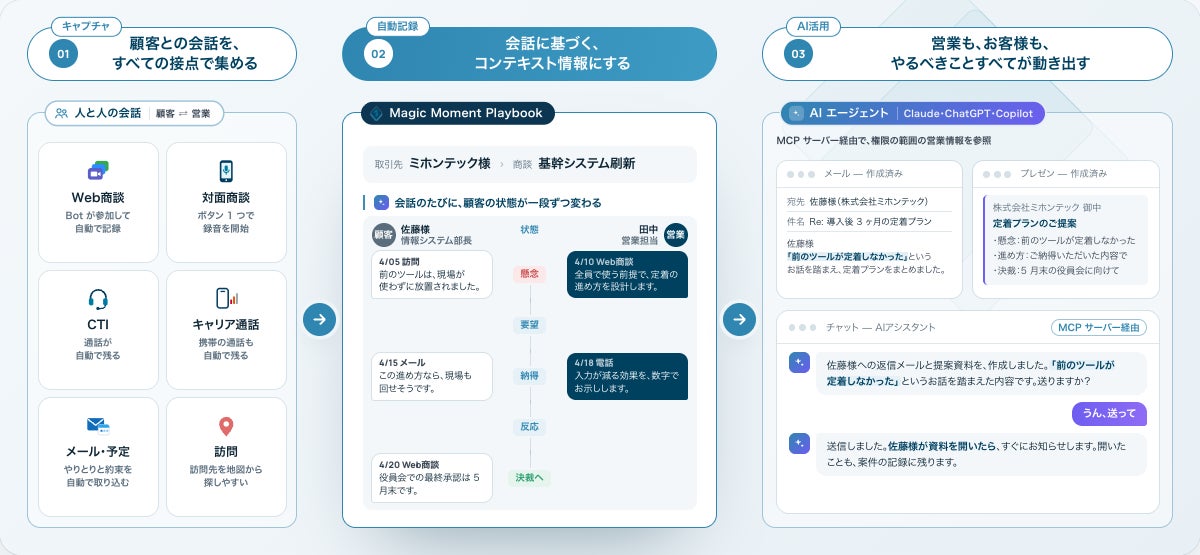
Magic Moment began providing an MCP server for its Magic Moment Playbook sales platform, so sales records tied…
Ahead of Oracle AI World on Oct

Seven senators including Ron Wyden and Elizabeth Warren wrote to Mark Zuckerberg on Oct
Anthropic announced Claude Duet on Wednesday as a research preview — an app for professionals and small-busine…