What happened
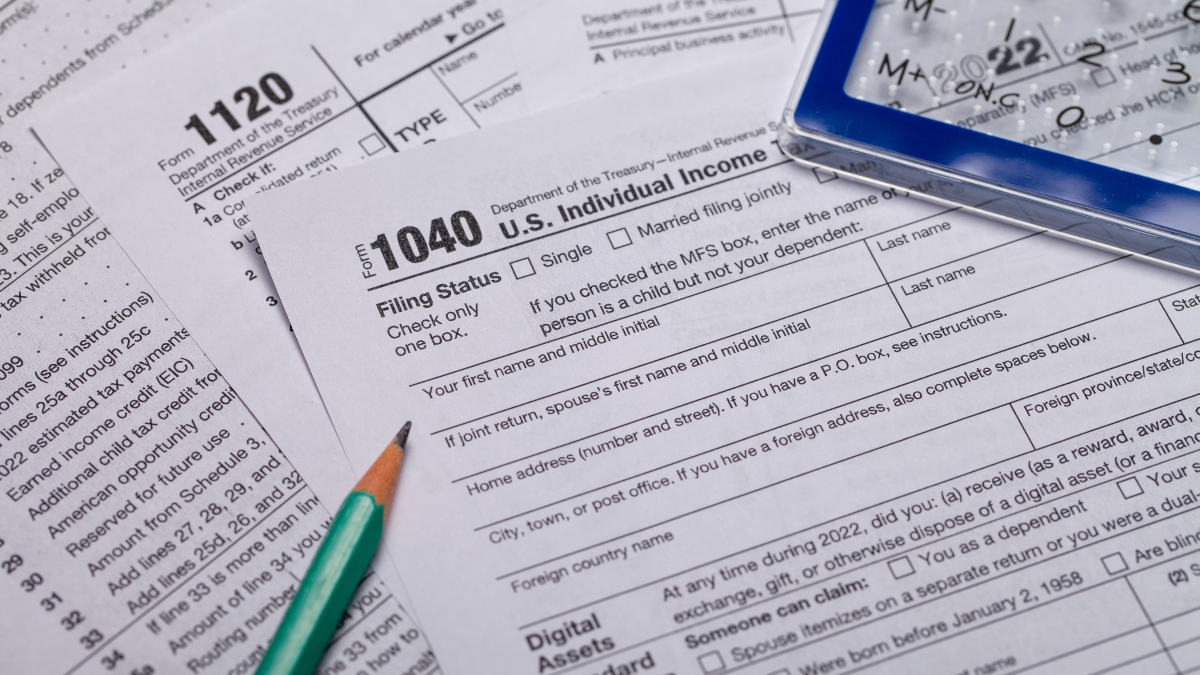
Surge AI published DAYJOB: Tax, 50 recreated tax tasks across 8 fields with 1,789 files (median 30 per task). GPT-6 Astra never once flagged a home-sale deadline that Claude Opus 5.5 caught in all five runs.
Why it matters
Passing a tax benchmark can mean crunching numbers, not noticing that a client's records contradict their story — the step a real advisor does before giving advice, and the one the models most often skipped.
WHO IT HITSAccountants, tax preparers and the firms deploying AI copilots for client work should note the failure mode: models that complete a filing cleanly may still miss a cross-document inconsistency, so human review of what was checked — not just the arithmetic — appears to remain necessary.
Summaries like this, every morning.
Surge AI's point of departure is that most existing tax benchmarks hand the AI a pre-specified job — answer a tax-law question, compute a figure for a return. Real advisory work starts earlier: the client may not know they have a tax problem, and the documents may disagree with each other. The benchmark was built with tax professionals to force that earlier step, and the file counts show the scale involved — a median of 30 source files per task.
The results split along that seam. In the home-sale case, GPT-6 Astra correctly judged that selling at either date Anna was weighing would satisfy the residence test, but it never told her about the deadline implied by the rules: past roughly late August 2027, more than three of the prior five years would fall after she moved out, putting the two-year residency requirement out of reach. Claude Opus 5.5 flagged that deadline in every run. In the retirement-split case the roles reversed: Claude Opus 5.5 proceeded on the assumption the couple was not legally married, while GPT-6 Astra raised the need to confirm marital status first in four of five runs.
Surge AI's conclusion is that handling individual pieces of work is not the same as reconciling a client's account with the documents, deciding what else must be checked, and carrying that through into a return or advice. The two examples show why that distinction is concrete rather than philosophical — the same model that caught one verification step missed another.
Pick your industry and the AI tools you use, and get news related to your work every day.
Free · 30 seconds with Google · unsubscribe anytimeWhat is AIToday? →
Ask AI anything about this article. The AI reads this article, earlier AIToday articles, and Wikipedia, and cites its sources. Q&As are published on this page for other readers too.
AFJ日本農業経営大学校 will offer a 4-session online "AI Practice Course for Agricultural Managers," taught by Noujoujin…

Nvidia reports Tuesday, the Fed releases October minutes Wednesday, and Anthropic expects to price its IPO Wed…

Nvidia CEO Jensen Huang resigned after admitting an affair, with CFO Colette Kress named interim CEO

Otter.ai CEO Sam Liang says the AI notetaker now generates $100 million a year in revenue and has transcribed…
Anthropic made 33 counterintelligence hires in 2026, up from 14 in 2025 and nine in 2024, per Fortune's report…

Spline Global said Juntendo University adopted Sylavids, which converts PowerPoint and PDF materials into narr…

